
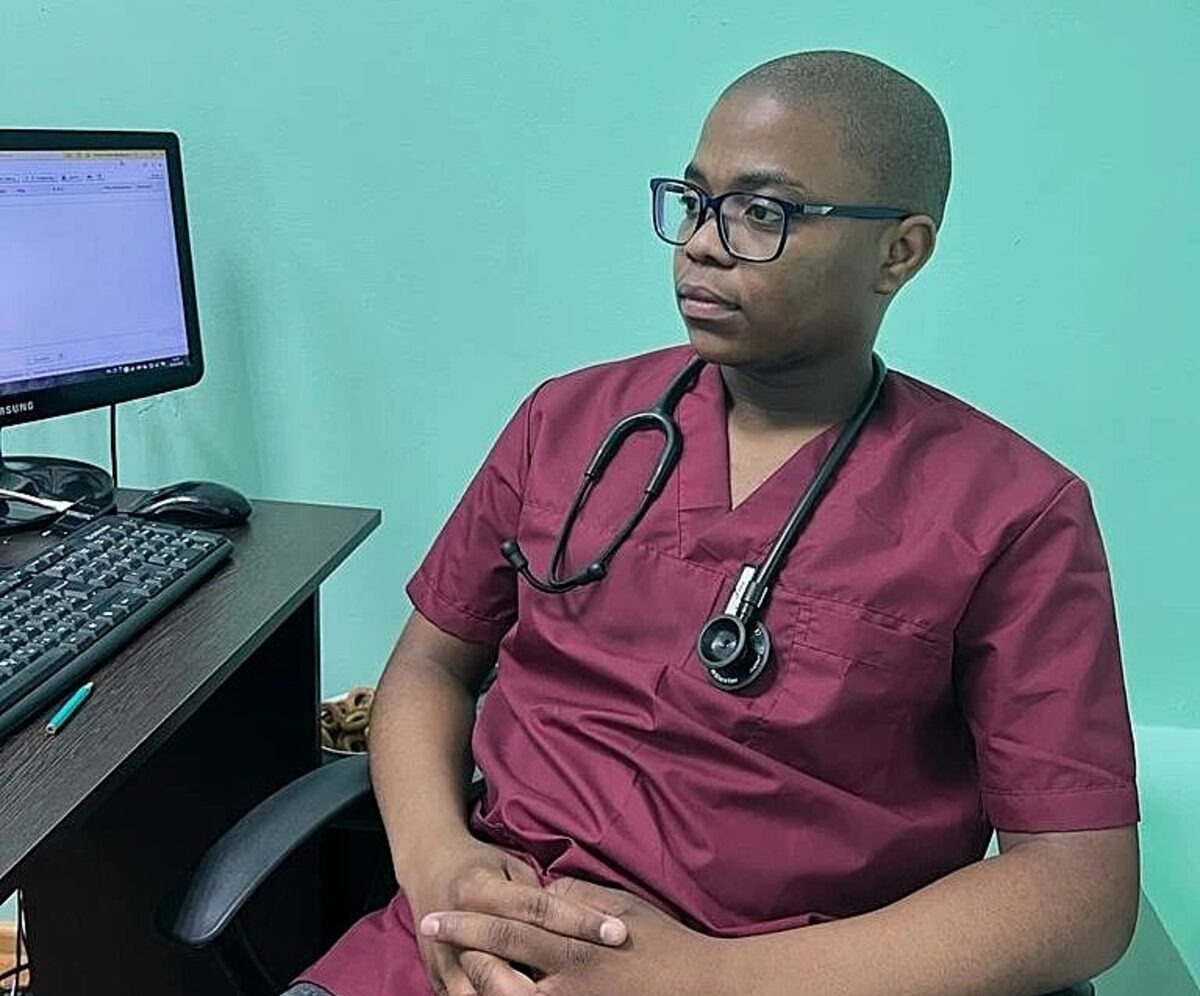
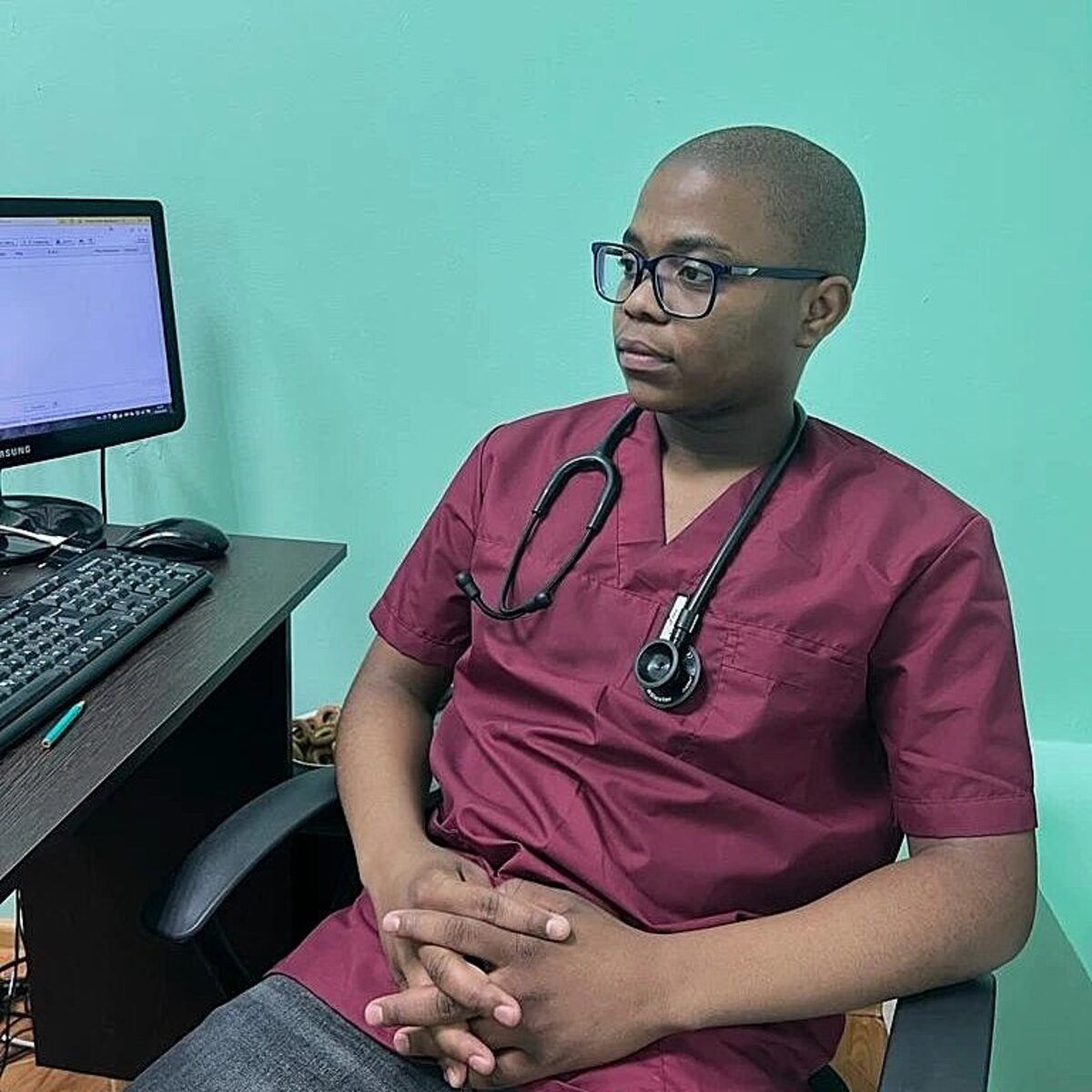
BLOEMFONTEIN – In the midst of the foot-and-mouth disease (FMD) crisis, 39 Free State veterinary graduates who were sponsored by the Free State government to study in Russia, cannot work in their home country. The students completed a Bachelor of Veterinary Medicine degree at the People’s Friendship University of Russia in Moscow; yet they have been battling to get professional placement for nearly four years.
The group of students were first sponsored by the Office of the Premier – then Ace Magashule – to study overseas, and later by the Free State Department of Agriculture. They have been facing prolonged delays in gaining the necessary professional opportunities and clinical exposure required to fully integrate into the veterinary profession in South Africa.
The group approached the Public Protector regarding their ongoing challenges to obtain practical and clinical exposure since they returned to South Africa more than four years ago.
Danny Maputsoe, spokesperson for the group of concerned veterinary graduates and their supporters, says they went to study in the hope of returning home to serve their communities and contribute meaningfully to South Africa’s agriculture and animal health sectors.
Maputsoe says their situation is particularly concerning at a time when the country is facing animal health challenges like the outbreak of FMD, which threatens livestock production, food security and rural livelihoods.
“It is difficult to understand why skilled veterinary graduates remain sidelined while the nation urgently requires more veterinary professionals to assist with disease surveillance, vaccination programmes and animal health services,” Maputsoe says.
He states that the graduates are not asking for special treatment – they are simply requesting fair opportunities for clinical training, mentorship and professional integration.
Zimkhitha Ngqola of the South African Vetenirary Council (SAVC) confirmed that the qualification that the 39 students had obtained, appeared on the council’s list of foreign veterinary qualifications.
“The students will have to pass the SAVC registration examination in order to be registered,” Ngqola explained.
“When a graduate has a firm job offer, their employee can contact the SAVC to apply for authorisation.
“This is usually granted for two years to allow the graduate to work under the supervision of a registered veterinarian whilst preparing to pass the examination within a stipulated period,” he said.
Ngqola confirmed that all veterinarians, both local and foreign, who register with the SAVC for the first time are expected to complete the compulsory community service (CCS) via the Department of Agriculture. In March last year, SAVC pointed out that the country faces a severe shortage of these essential professionals, despite veterinarians and veterinary nurses being placed back on South Africa’s critical skills list.
According to SAVC, the country has approximately 4,000 to 4,315 registered veterinarians, representing a severe shortage with only 60–70 vets per million people. The council pointed out that the number was far below the international standard of 200–400.
The disgruntled group of graduates says South Africa cannot afford to leave trained veterinary professionals on the sidelines while the agricultural sector faces growing biosecurity threats.
A media enquiry regarding the plight of the international graduate group was sent to the Premier’s office, but no response was received by BloemNews, sister paper of Bloem Express, at the time of going to press.