

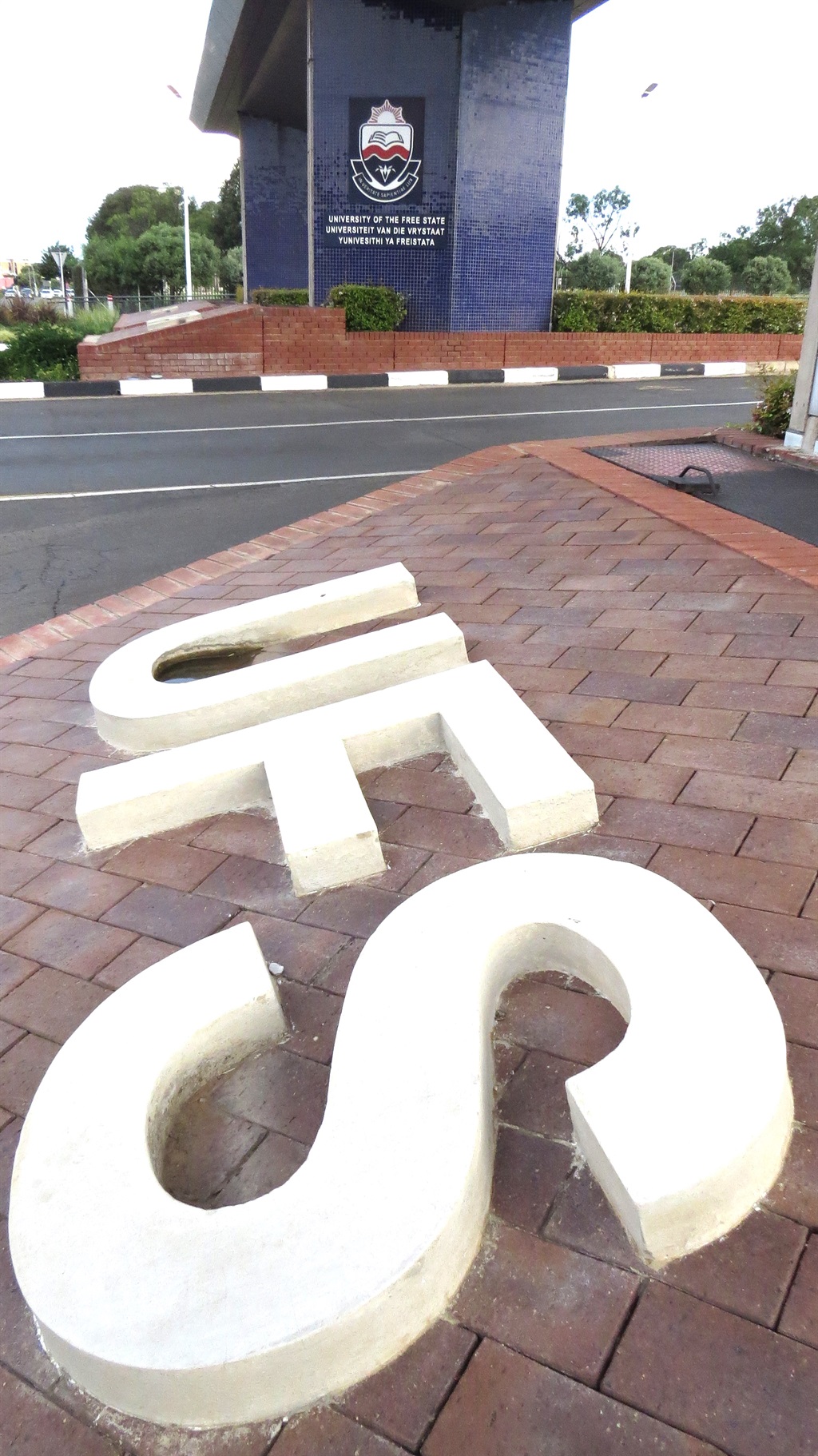
The University of the Free State (UFS), one of the largest higher learning institutions in the Free State, is a key driver in the Mangaung Metropolitan Municipality’s (MMM) socio-economy.
This is according to the findings from an economic impact assessment on the university during 2023, conducted by the Bureau for Economic Research (BER) at Stellenbosch University (SU).
The findings reveal that the UFS as an anchor institution for spin-off ventures and initiatives with a broader societal influence, has an impact that stretches beyond its role as a catalyst of economic activity. The importance of this economic impact assessment was measured on the effect of a specific entity on the local economy. It examined how activities by the university, such as spending by the students, staff, and the university itself, generate economic change.
The assessment quantified the university’s contribution to local businesses, employment, and overall economic activity.
According to the findings, the UFS generates annual spending ranging from R4,36 billion to R3,2 billion by students, R662 million by staff, and R493 million by the university itself.
The university’s contribution was found to mostly pertain to expenses on construction (27%); electricity (22%); local government (14%); wholesale and retail trade (10%); professional services (7%); and business activities (6%). Furthermore, other sectors in which the UFS contributed include printing and media, transport and storage, catering and accommodation, community, social, and personal services, furniture, wood products, and agriculture.
The estimated R4,36 billion in expenditure by students, staff, and the university generates R1,57 billion in labour remuneration – that is, compensation of employees – across the economy, excluding remuneration of the UFS’ staff. The report revealed that, in total, the economic activity generated by the UFS supports about 9 500 formal and informal jobs, excluding the permanent and temporary staff.
According to the findings, top annual expenditures for students are rent (R1,483 million); retail (R1,377 million); entertainment (R645 million); cleaning and laundry services (R336 million); and utilities (R291 million). The remainder goes to health care, transport, printing, and so on. Staff spending follows a similar trend, with the following sectors benefiting: retail (R340 million); education (R141 million); community, social, and personal services (R141 million); utilities (R121 million); business services (R97 million); and healthcare (R22 million).
The report reveals the remainder of their spending goes to household services, entertainment, donations, home maintenance, hair and beauty treatments, and home security.
Collectively, the following industries reportedly benefit most from the UFS, staff and student spending: wholesale and trade; business services; catering and accommodation; local government; and other community, social and personal services.
According to the findings, the UFS affects the region’s economy, contributing an estimated R6,02 million (2,7%) to the region’s output and R3,40 million (3%) to its gross domestic product (GDP). The UFS also supports 3,8% and 4,2% of formal and informal jobs, respectively.


