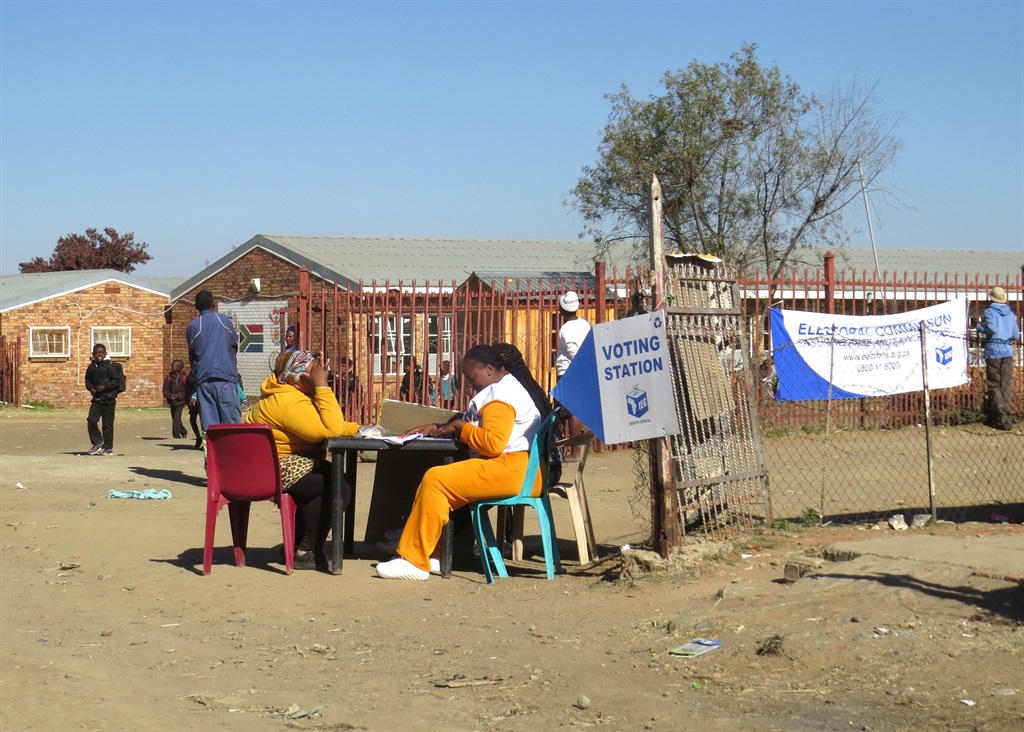

In South Africa, and across many developing nations, the discourse leading up to elections often centre on fundamental issues that directly impact the daily lives of citizens.
Two of these are the cost of living and access to clean water and sanitation.
As the world witnesses a significant portion of its population voting in 2024, it becomes evident that the voting criteria in developing countries differs vastly from those in developed nations.
While developed nations may debate topics like climate change and immigration, citizens in developing countries like South Africa are primarily concerned with securing basic necessities for survival and dignity.
The disparity in voting patterns reflects the stark contrast in the challenges faced by people living in different parts of the world. South Africa, despite regarded relatively highly in terms of election fairness, grapples with persistent challenges in providing access to clean water and adequate sanitation facilities.
Many communities across the country continue to suffer due to the absence of proper sanitation infrastructure, perpetuating cycles of poverty and disease.
The lack of clean water exacerbates these challenges, posing significant obstacles to health, dignity and economic progress.
It is worth noting that the voting populace in South Africa has shifted its focus from ideological differences to practical concerns, the delivery of basic human rights.
Without access to clean water and sanitation, individuals and communities struggle to break free from the cycle of poverty and disease, hindering their ability to participate fully in economic and social life.
Families burdened with preventable illnesses spend precious resources on healthcare instead of investing in education and livelihoods.
Children often sacrifice their education to care for sick family members, further perpetuating the cycle of poverty.
To address these challenges, practical solutions must be prioritised that ensure equitable access to clean water and sanitation for all citizens to break the cycle of poverty and disease and pave the way for economic growth.
Solving South Africa’s challenges starts with sanitation.
The solutions include investing in infrastructure that can provide clean water and adequate sanitation facilities to all communities, especially those in rural and underserved areas, while at the same time investing in the repair and maintenance of existing infrastructure.
Implementing technologies such as water purification systems and innovative sanitation solutions tailored to local needs can help bridge the gap in access. Additionally, community engagement and education programs are essential to promote hygiene practices and ensure the long-term sustainability of water and sanitation initiatives.
Beyond elections, citizens have a central role to play in advocating for real commitment from political candidates, elevating the discussion around sanitation and clean water access.
Then voters are better informed to hold leaders accountable for delivering on their promises.
Political parties must recognise the importance of addressing basic needs and commit to implementing sustainable solutions that uplift communities and promote dignity.
For political parties this will be one of the most effective ways to win and retain the vote.
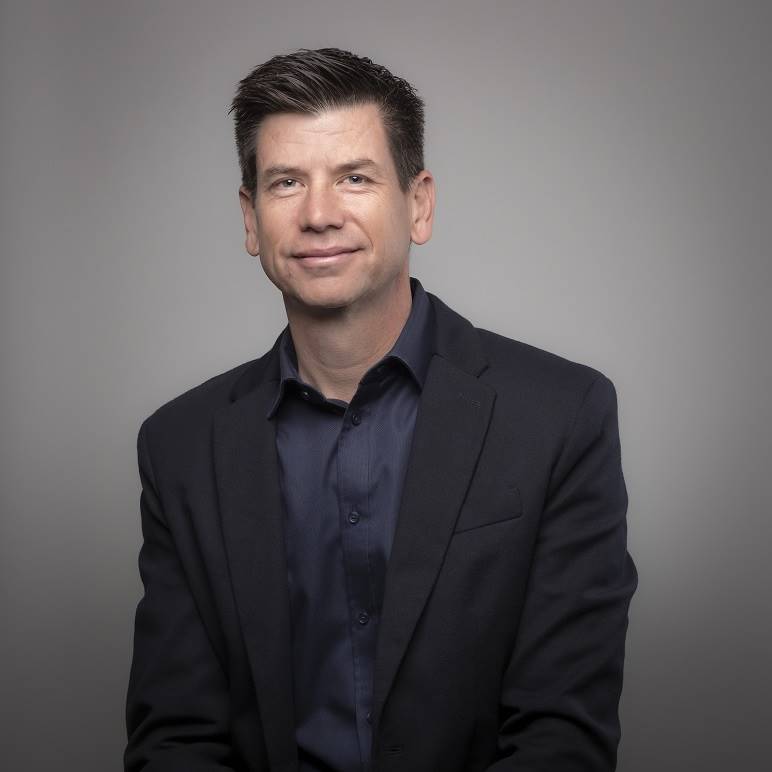
Robert Erasmus is the managing director at Sanitech.