
Prof. Pamela Dube, vice-chancellor and principal of the Central University of Technology, Free State (CUT), is committed to working towards establishing the university as a global intellectual hub.
Her aspirations are parallel with the university’s vision to be a leading African university of technology, shaping the future through innovation.
An intellectual in her own right, Dube is the first-ever woman appointed to this influential position.
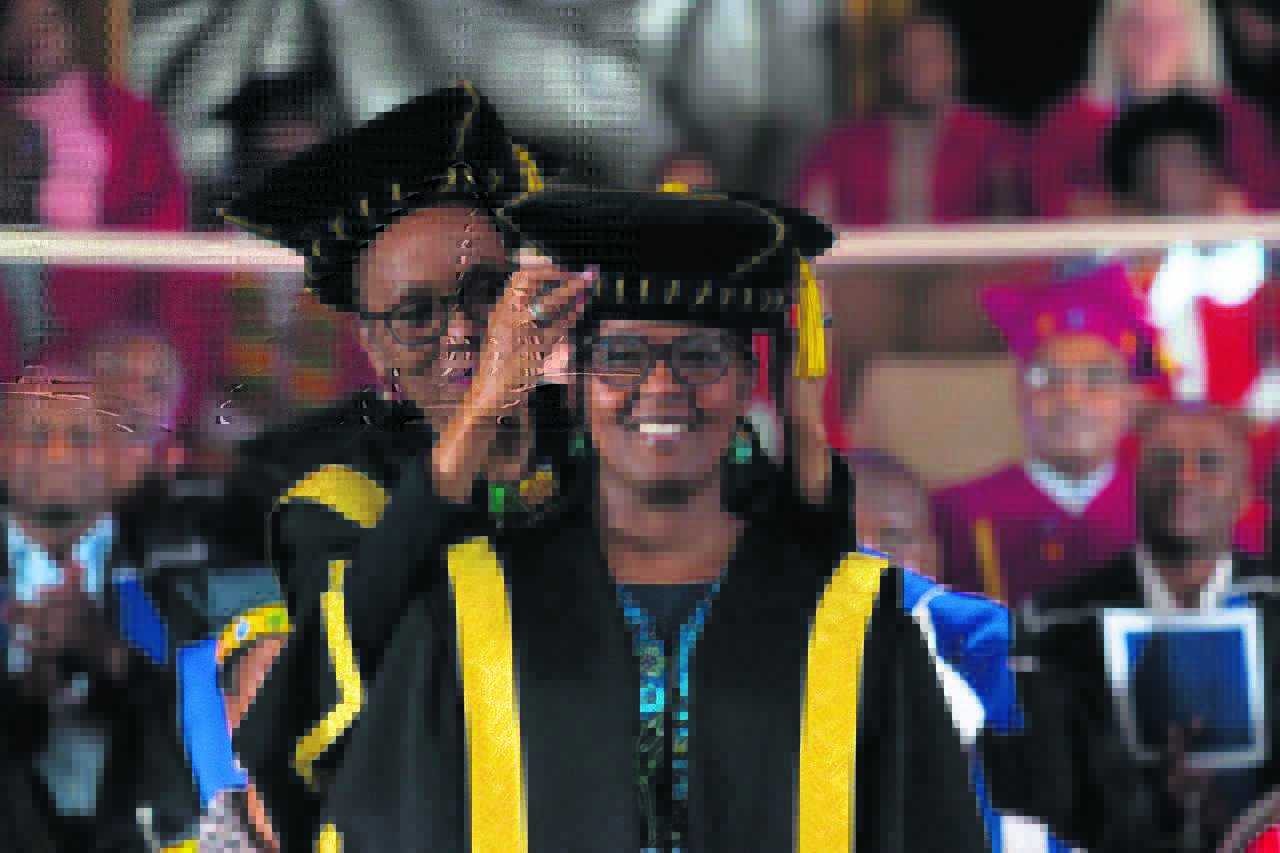
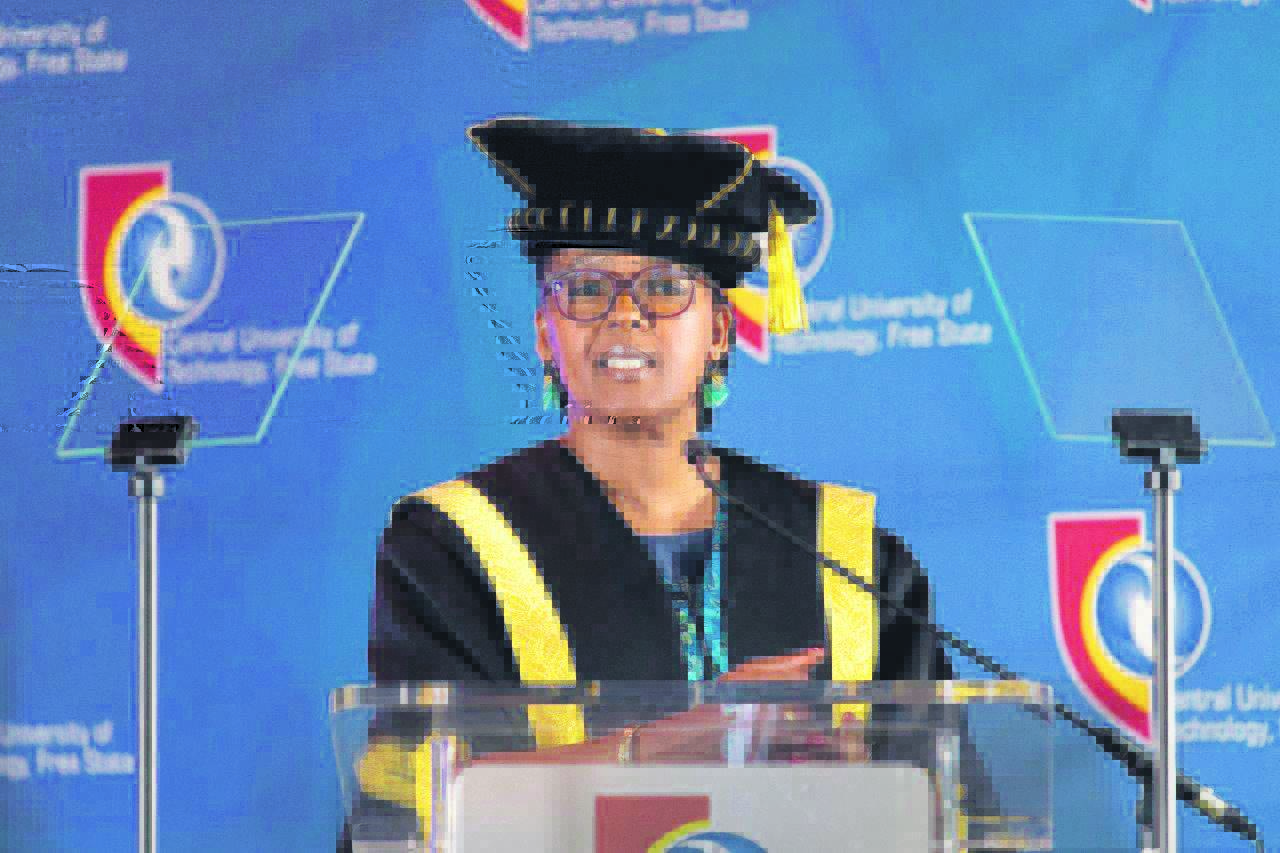
An embodiment of the power of education, she committed to the abovementioned cause during her inauguration ceremony held in February last year.
“We commemorate and acknowledge the accomplishments and contributions of women at CUT over the past two decades, highlight the importance of CUT’s investments in women’s education, leadership, and entrepreneurship, and promote networking and mentorship opportunities among female students, alumni, and industry leaders,” said Dube.
“The governance and leadership structures of higher education in South Africa have recognised the need to increase the representation of women in leadership positions.
“At CUT, we are committed to accelerating the advancement of female leaders by using various empowerment programmes, with a special focus on encouraging women to complete their doctoral studies.
“The Next Generation Women in Leadership (nGenWiL) programme has yielded considerable outcomes. This year alone, we are spending approximately R 23 million to support women at CUT in various stages of their careers to hone their skills so that when opportunities come, they are ready to take their rightful positions in management and leadership roles in academia.”
A year later, Dube is on course to translate her aspirations for developing a global intellectual hub into reality.
Her action plan is underpinned by the four pillars of education, which she prioritises.
“Our first responsibility as a university is to undertake a reappraisal of the meaning of technology in the broader population – to demystify its force, while bending its potential to the ideal of post-apartheid freedom,” Dube believes.
The second responsibility Dube has identified is to offer the best teaching for students in the arts of design and invention; drawing inspiration from the significant strides the CUT is continuing to make.
“The education we offer our students is not merely about the market value of technology, but the process of becoming more human. It is about fostering intellectual inquiry, engaged scholarship and critical citizenry,” Dube explains.
“ ‘Thinking beyond’ is CUT’s motto, and in our pursuit of excellence we strive to be satisfied with nothing less than what is possible to envision beyond.”
Dube’s third responsibility is to ensure the institution steers clear of an idea of technology as delivering a static world – “one where civil war is an order of the day”.
“We need a technology that is always in motion, that is capable of moving us to a more resources-wise future, in which we learn to preserve our vital resources as much as we offer to change the circumstances of the most vulnerable and destitute.”
Dube’s fourth cornerstone is humility in a humble plea to fundamentally create visionaries, critical thinkers and pioneers.
“My plea for this university’s educational vision is that it pursues an ambition to lead our students to a position of self-sufficiency. While we endeavor to build entrepreneurial skills, we should be careful that such skills are not simply to enhance markets.
“Rather, we should also work towards building technological resources and advanced qualifications (for instance in professional MA and doctoral degrees) that will help expand other fields of knowledge.
“For this we need a capable, committed and visible professoriate, to contribute effectively towards this university’s educational vision and the renewal of our academic, research and innovation endeavours,” said Dube.