
Universities around the globe can draw valuable insights from the reigning rugby world champions, the Springboks, regarding the power of diversity and inclusion.
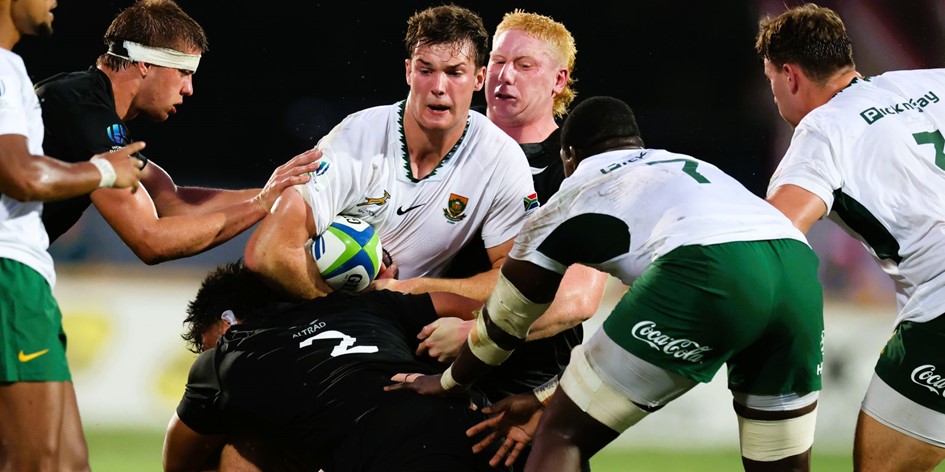
This power saw the Boks defeat the formidable All Blacks 12 – 11 in the final in France to clinch the cup for a fourth time. The epic final harked back to their iconic 1995 victory of 15 – 12 over New Zealand in South Africa.
The achievement was celebrated as one of the most significant nation-building milestones worldwide.
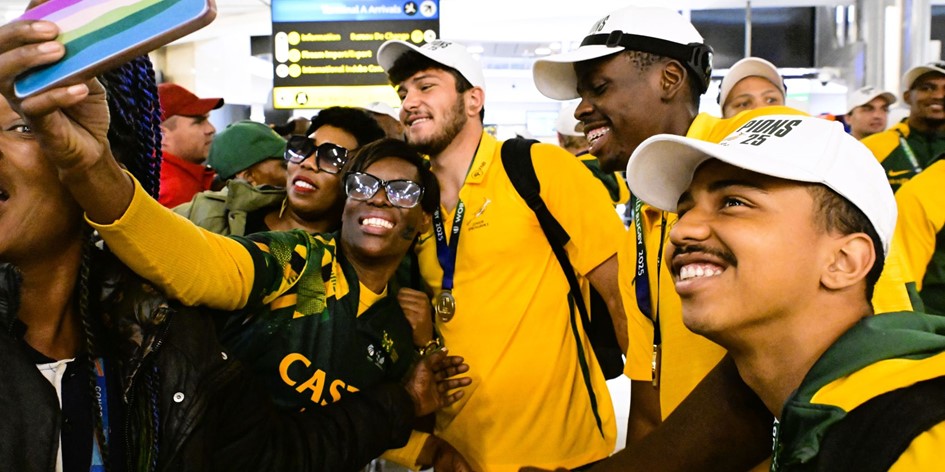
At the victory parade in Johannesburg, victorious Springbok captain Siya Kolisi passionately declared: “This one is for every single person in South Africa, rich or poor X it does not matter. This win will inspire a lot of people, but it won’t change their circumstances. However, for us as the players, it’s going to give us a platform to create more opportunities.”
Kolisi’s words are a poignant reminder that even after the Cinderella-like 1995 Springboks world cup victory, South Africa still grappled with enduring challenges. His message was carefully chosen, emphasising the importance of discerning the role of such victories.
Bringing social justice to all South Africans can only be realised by establishing pathways to well-being and prosperity, a role that universities play. Education and innovation serve as vital routes out of poverty and the shadows of historical injustices.
The touching moment captured in the documentary series Chasing the Sun, in which Rasie Erasmus shed tears upon realising that winger Makazole Mapimpi lacked a family photograph to attach to his Springbok jersey, serves as an example.
Such acts of care unite people and empower them to overcome any odds.
Erasmus and Jacques Nienaber, the innovative duo behind the Boks’ back-to-back world cup triumphs, undoubtedly benefited from the education they received at the University of the Free State (UFS).
Their academic foundations have significantly contributed to their excellence as coaches.
To become the best, one must work with the finest. The talented and diverse technical staff includes Mzwandile Stick, Deon Davids, Daan Human and Andy Edwards.
Notably, the 2023 World Cup-winning squad, with 41% identified as black players, was the most racially diverse in the history of the Springboks and also an embodiment of South African rugby traditions and styles, blending the high-altitude ten-men rugby of Gauteng with the flair and abandon often seen at lower altitudes of the country.
The squad had 16 overseas-based players, nearly half of the 33 allowed. They brought new perspectives and skill sets to the team, creating a beautiful collage of mixed and crossed backgrounds, cultures and heritages.
While the journey toward socially just inclusion is ongoing, the Springboks have exemplified the importance of embracing diversity with care.
)
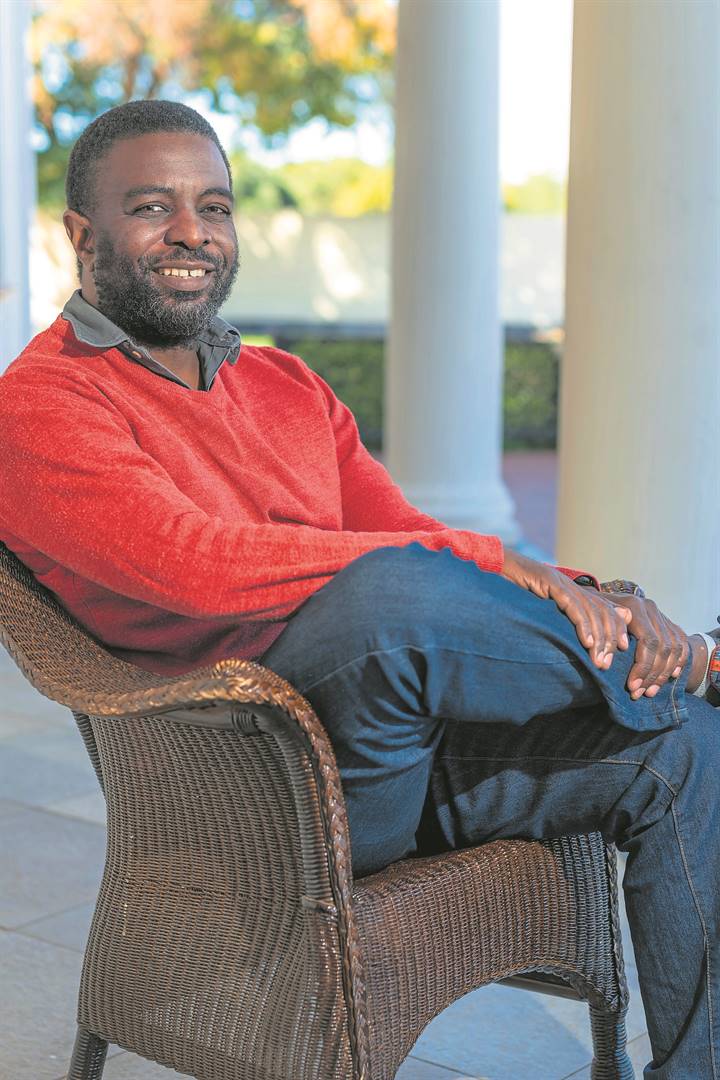
Prof. Colin Chasi is the director of the unit for Institutional Change and Social Justice at the University of the Free State (UFS).