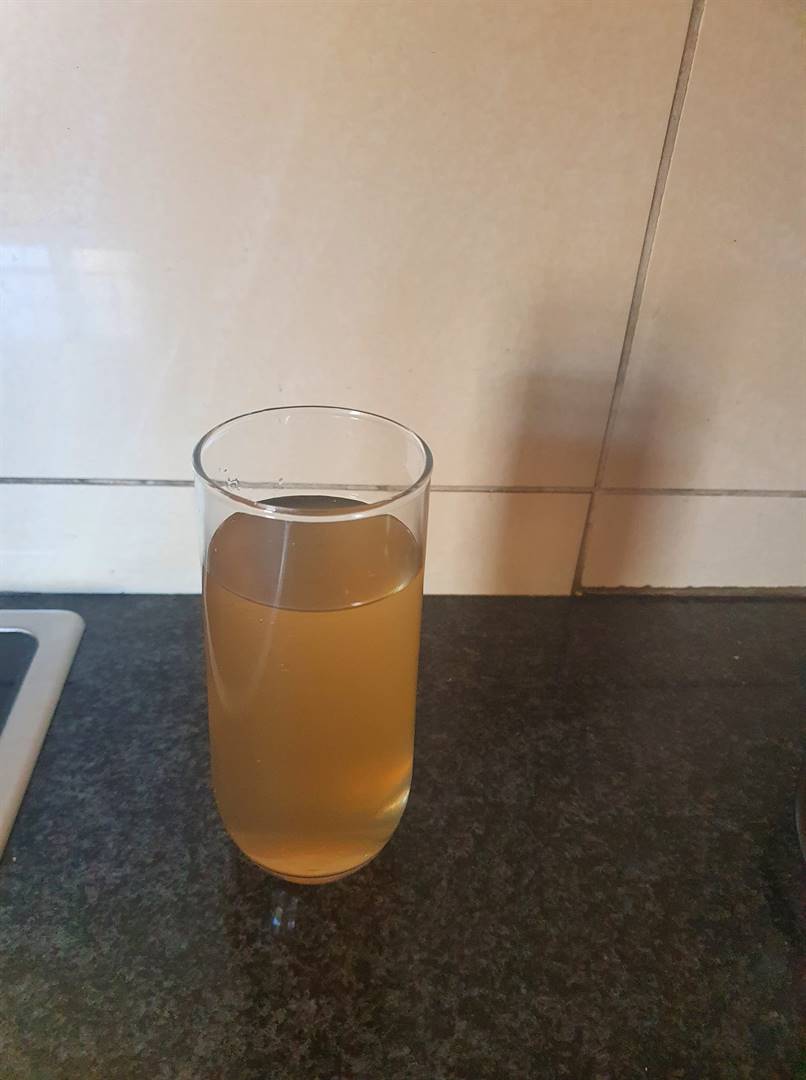

Municipalities in South Africa have severe shortcomings in providing drinking water of acceptable quality to consumers, as well as in the means of saving water.
This is according to the Department of Water and Sanitation’s (DWS) 2023 full Blue Drop and No Drop reports released on 5 December. The Blue Drop report provides an assessment of drinking water quality, while the No Drop report focuses on water losses and non-revenue water in all municipalities.
The reports indicate a continued decline in drinking water quality and an increase in non-revenue water since the previous reports in 2014.
It has been revealed that 85% of drinking water systems were in an average or better infrastructure condition, thereby compromising the quality of water.
In addition to these adverse findings, the Green Drop Progress Assessment report, providing an update on the performance of wastewater management systems at municipal level, also delivered adverse findings.
Clear everyday evidence thereof is raw sewage spillages seen running down the roads and flooding residents’ yards, which has become a common sight all over the country.
The findings of the reports were informed by a comprehensive assessment of the state of all 958 water supply systems in each of the 144 water services authorities (WSA).
Various municipalities have been found to fail dismally in improving their water management systems, despite support by the DWS and water boards. Support is rendered by government spheres that include the DWS, the Municipal Infrastructure Support Agency, the Department of Human Settlements, the National Treasury, and the Department of Cooperative Governance and Traditional Affairs (Cogta).
The DWS indicated that it would cost more than R20 billion per annum to enable affected municipalities to improve their service delivery abilities.