
The prevalence of pregnant South African women drinking alcohol, and this leading to Fetal Alcohol Spectrum Disorders (FASDs), has the country rated high globally. The scope of the situation, measured with FASD births, has called for serious discussion during September, which is FASD Awareness Month.
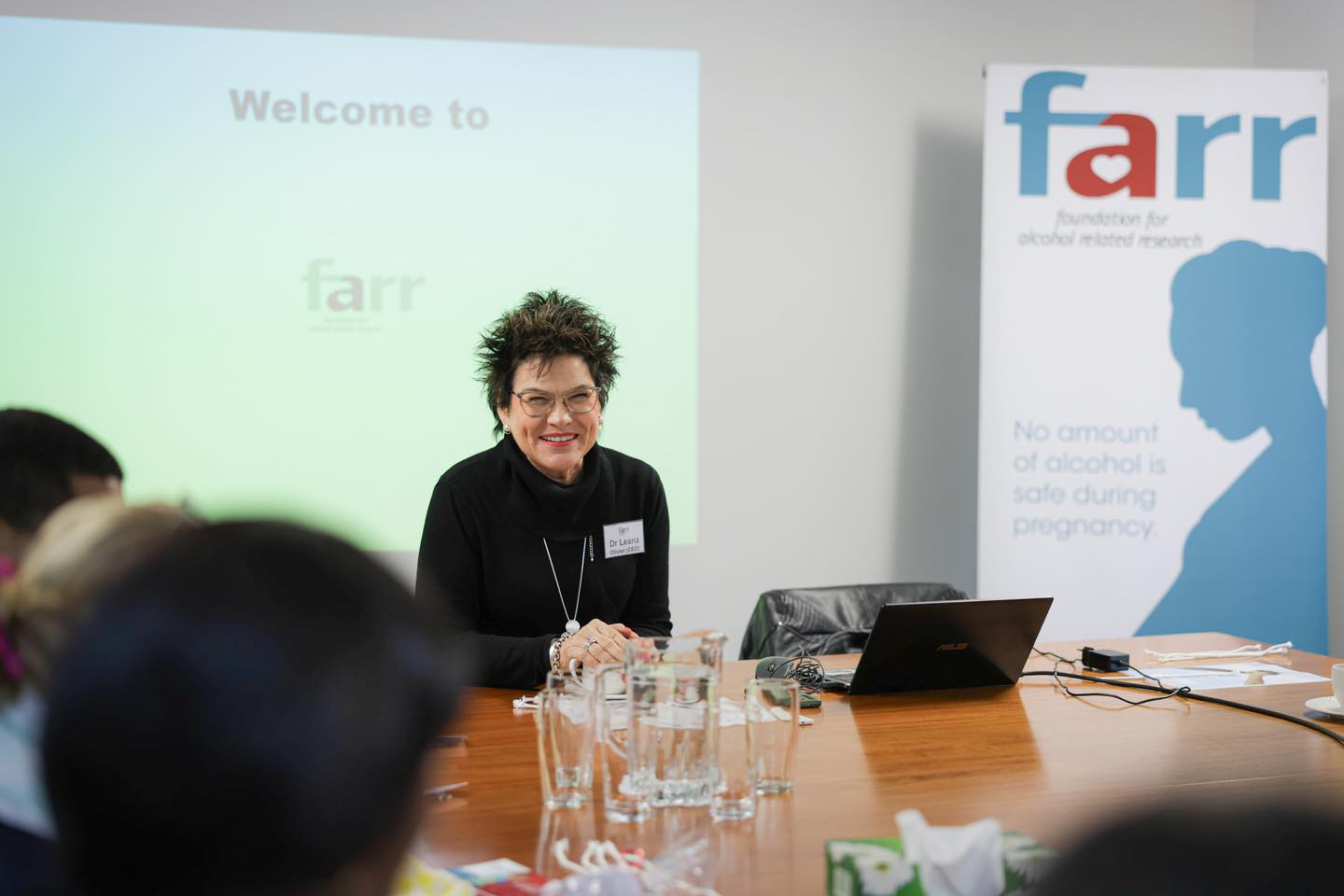
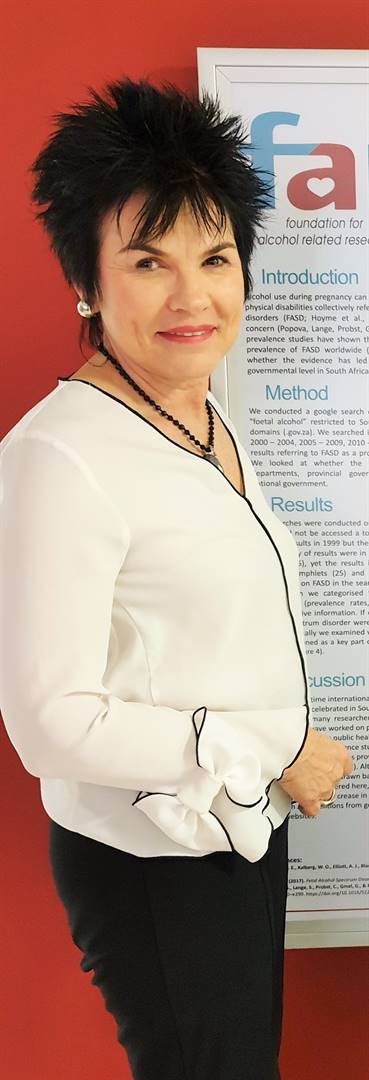
Dr Leana Olivier, chief executive officer (CEO) of the Foundation for Alcohol Related Research (FARR), said concerted efforts were required, reflecting on strides the foundation has made to curb FASD in the past 26 years.
“South Africa has by far the highest FASD prevalence rate in the world, at 11%. The highest prevalence rates involve up to 28% in the Northern Cape and 31% in the Western Cape. Research conducted by Farr in five of the nine provinces revealed rates as high as 282/1 000 live births in some communities in the Northern Cape. The Western Cape has areas with rates as high as 310/1 000 live births,” said Olivier.
“There is still more that needs to be done. So many community members still do not have access to information and services, as well as support,” said Olivier.
While the awareness drive with the objective to prevent FASD births is undertaken for the whole of this month, the commitment globally will culminate in activities on 9 September, when the world will observe the 24th International Fetal Alcohol Spectrum Disorder Day.
“This year we encourage individuals and the community at large to go ‘beyond all limits’ in supporting, caring for and loving those affected,” said Olivier.
She explained the condition had far-reaching repercussions in the lives of affected people.
“Due to the birth defects and disabilities, they may need medical help more often and need to attend special schools. They can also have problems in school with paying attention and remembering information. They often have behavioural problems and struggle to form healthy relationships.”
To educate the public and prevent FASD, Olivier said the foundation had completed 18 FASD Prevalence Studies and established 13 operational community sites in five provinces: Free State, Gauteng, Western Cape, Eastern Cape and the Northern Cape.