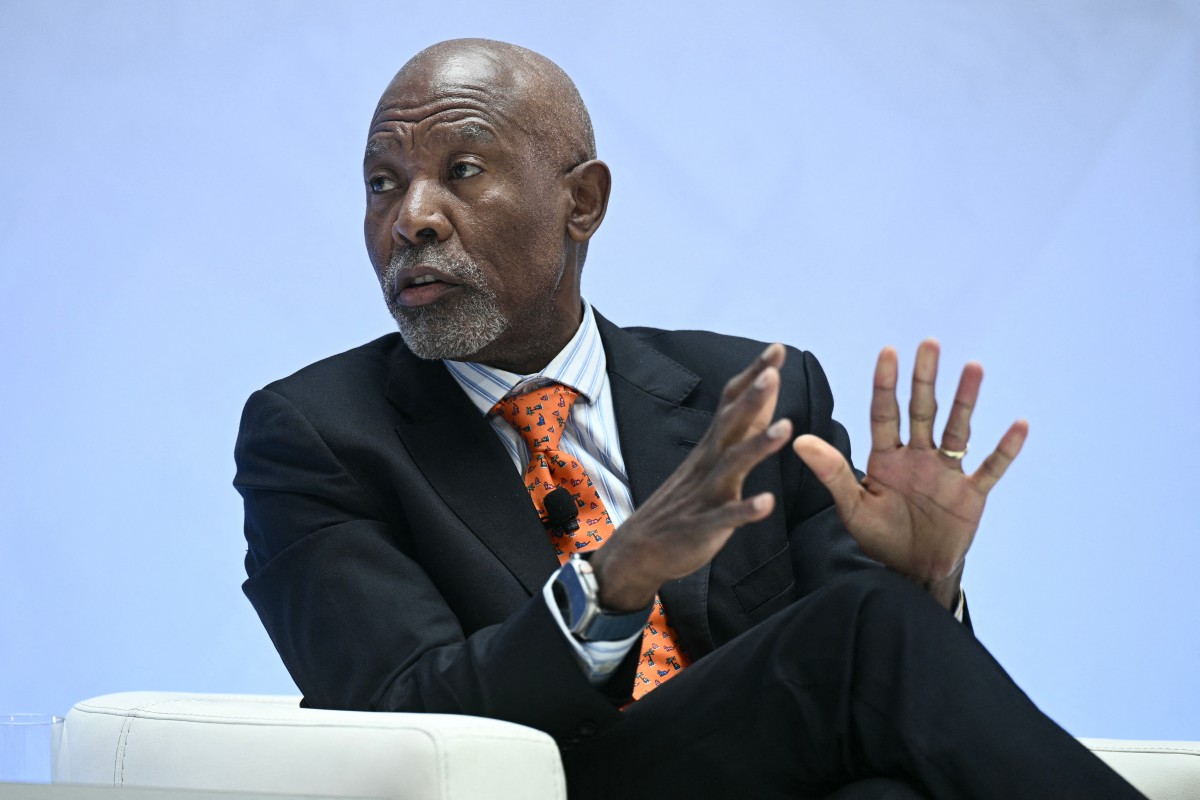


The South African Reserve Bank’s (SARB) cut of the repo rate by 25 basis points to 7,00% offers significant relief to the residential property market.
This has reduced the prime lending rate, used for calculating home loan interest rates, from 10,75% to 10,50% − effective since 1 August.
According to Renier Kriek, managing director at Sentinel Homes, the modest reduction translates into an estimated saving of around R250 per month on a R1,5 million home loan over 20 years − easing affordability for buyers and existing homeowners.
“The cut brought 1% total interest rate relief in the SARB’s current cutting cycle, which started in September 2024. The repo rate has been cut from 8% to 7% over the period,” said Kriek.
“However, the SARB simultaneously revised its gross domestic product (GDP) growth outlook downward, signalling that economic momentum remains weak.
“As a result, consumers are unlikely to be buoyed significantly by this marginal lowering of interest rates, and property demand may see only gradual or shallow improvement.
“From an economic perspective, our most pressing need is for economic growth and job creation, which is the rising tide that would lift the boats of all segments of the economy, including the property market,” said Kriek.
He stressed that due to the SARB’s policy stance, real interest rates remain too high to stimulate meaningful fixed capital formation − investments critical for expanding housing supply and creating employment in construction, manufacturing and other capital-intensive industries.
He attributes this to the SARB’s policy stance to deviate from its stated mandate.
“This highlights the challenge of balancing inflation control with the need for growth-supportive policy. The National Treasury needs to step in and take control of the SARB, which is riding roughshod over its agreed mandate.
“The lower yields on fixed-income securities, like bonds, mean that the capital value of those instruments have increased on the back of the announcement, meaning that the bond investors, including balanced funds and similar retail savings vehicles, have made some money.
“The rand has also weakened because of the announcement, as can be expected.
“This is likely, ignoring rand volatility, to raise the prices of imports and have a small inflationary effect,” said Kriek.