
I want to bury my head in the sand to avoid being part of what is a condescending South African ritual against women – the perpetuated notion of “speak justice in August, and practise injustices all year round.”
The ritual is tiring and is creating an air of despondency. The requests directed towards feminists to rise up and talk, and to dignify injustices incurred against women during August, is about a simple moral matter – women are as human as men.
How difficult can it be to switch to action on equality and fairness towards women as human beings too?
In South Africa, August is used to pour out pity in the name of physical gender-based violence (GBV) and other social strains women experience.
The pity poured out by those in positions of power merely acknowledge what must be done.
The same voices will then go to various corners where they practice professional GBV – endorsing women as “secondary beings” that are used to shoulder a patriarchal and capitalist societal agenda.
The uproar against GBV masks the major omissions on the kind of society South Africa is, while it continues to modernise gender inequalities.
In essence, society has modernised inequality and highlights “shallow permits” as women’s rights achievements.
South Africa may shout shallow things like “our women can be car drivers” and “women feature in the Constitution” but the total lived experience of women at all levels of society leaves little to be desired.
Men continue to hover over the prerogative to place women or “allow” them in spaces where it makes strategic support to their own positions, or to make institutions look good in terms of quotas.
In professional spaces in South Africa, it is not uncommon to see very capable women doing menial tasks designed to hand over professional products for men to shine in leadership.
It is almost like the domestication of professional spaces through the importing of culture and religion; to underpin institutional chauvinism. And yet, policies and strategies only make a clear and tacit association of culture and religion with society on a greater scale.
The damaging role of culture and religion in professional relationships is not on the radar of attention within institutions. Thus, a country can marginalise national women’s teams on the issue of remuneration on the back of what is cited as “the best constitution in the world”, and still talk about the importance of women every August.
The most disappointing stakeholders in all of this are the women’s political formations. In the context of South Africa, ageism within these formations is a huge factor.
Those senior women are kingmakers of note. They believe in women as living to support men and are afraid to rock the boat for their own placement in professional positions.
It would be interesting to hear them articulate their status of bondage and why it has been sustained.
)
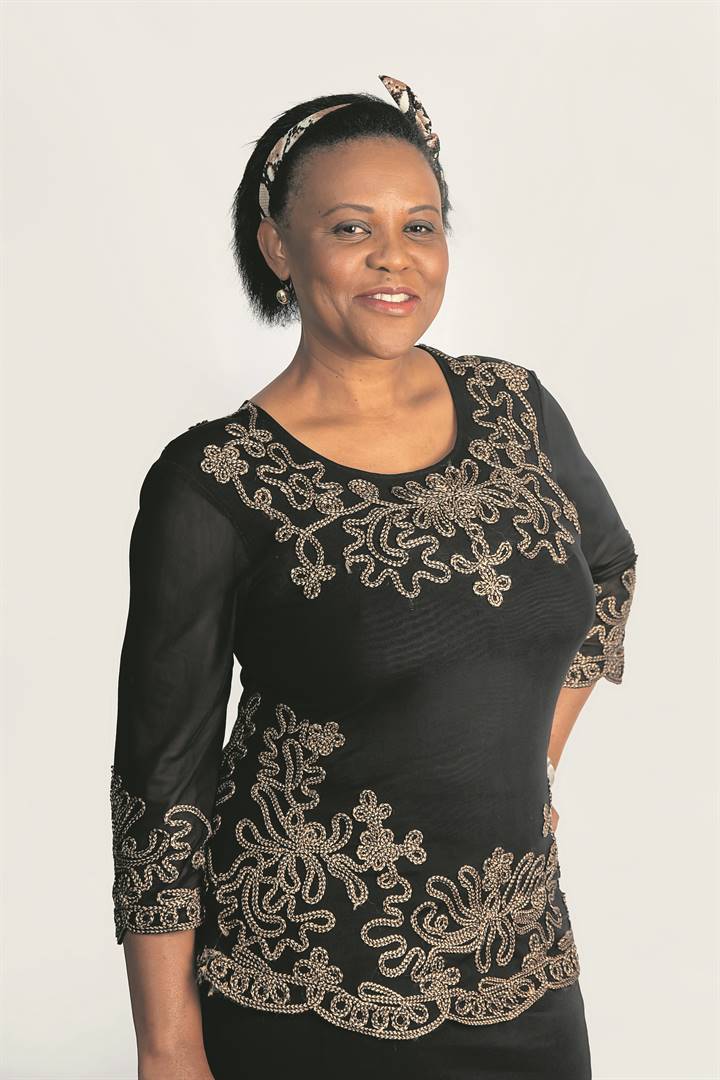
Prof. Pearl Sithole
is a social scientist and vice-principal of
the
academic and research department at the University of the Free State’s (UFS) Qwaqwa campus.