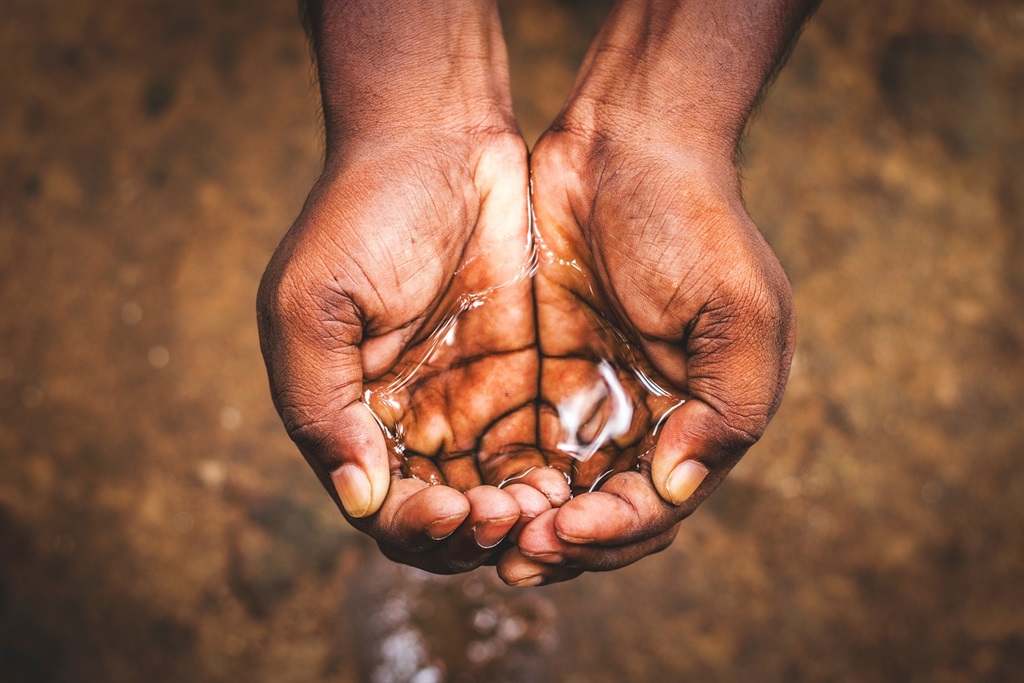


At most times political decisions and reasoning, not necessarily scientifically proven, determines the fate of natural resources and environment. So, for this reason, the politics behind water dates back many years.
Water mixes well with many things, namely juice, tea, and that hot liquid that most of us cannot start the day properly without – coffee.
Imagine cooking your favourite pap without water. It just does not make any sense and is an impossible act. There is one thing that comes to mind when thinking about what water should not mix with, and that is politics.
Yes, every single South African has the right to water. However, embedded in that same statement should be that every South African should also protect this precious resource.
The South African water and sanitation infrastructure has suffered a spate of vandalism in recent years, leaving most municipalities unable to supply services to communities.
Resuscitating infrastructure of this nature is not an overnight process and requires millions of rands in some instances. Several municipalities are not able to do this by themselves, owing to several community members not paying their municipal services – whether they can afford to or not.
With municipalities unable to revamp their infrastructure, the Department of Water and Sanitation (DWS) steps in to assist in most cases.
The chemicals required to ensure the provision of safe water are not free, nor cheap, yet several residents expect safe water without paying. When we do not get this, we take to the streets and burn tyres as this is the South African way.
With any infrastructure, whether it be roads, electricity, water, and sanitation, it is a give and take situation. These cannot be free services as constant maintenance is required to ensure they remain in an acceptable condition.
It is a shame that in some instances politics play a role when it comes to these critical services. Sabotage of infrastructure is a card well-played to create instability in a municipal area.
The question beckons: Why would someone sabotage a resource that supplies them and their neighbours with water?
These people use this water as a political weapon to try and discredit the municipality. The aim is usually to incite protests from the community, and this having dire consequences.
If you are questioning the above statement, pay close attention to media reports on protests leading up to the upcoming national elections that will take place in 2024.
It is inevitable that water is destined to become an even more prized commodity and likely source of conflict than at present. Communities should not allow water to be used as a weapon to settle political scores and personal issues.
Stay vigilant and report any suspicious activities near water treatment works or wastewater treatment plants to the police or to the local municipality.
The saying goes: “When elephants fight, it is the grass that suffers.” In this case, the community.
) Larry Crisp serves as the communications manager at the Free State Department of Water and Sanitation (DWS).