
Teboho Setena
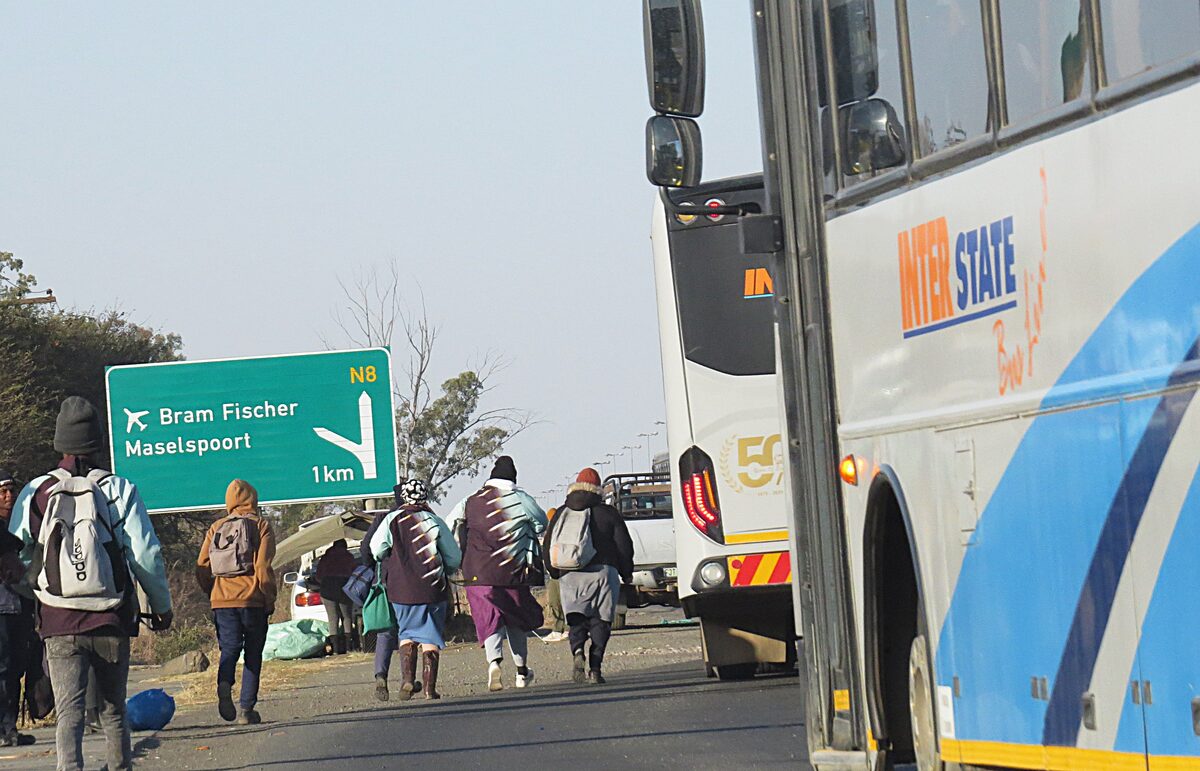
Interstate Bus Lines (IBL) will begin a series of consultation meetings with passengers in the greater Mangaung Metro regarding its proposed 10% tariff hike on all fares.
The proposed hike is expected to become effective on Tuesday, 1 July.
Meetings have been planned for Saturday, 17 May, at the Kaizer Sebothelo Stadium, Botshabelo, as well as the Barolong Hall in Thaba Nchu. The meeting for Bloemfontein is set to take place the next day, at the Kagisanong Hall in Rocklands.
The bus company resolved to increase fares last year by a 4% average (R11) for both multi-journey tickets and cash.
This falls short of the 9% increase over the past three years, and even further back to 2020 during the Covid-19 pandemic.
The bus company’s adjustment is part of contractual obligations approved by the Department of Community Safety, Roads and Transport, which subsidises the company.
It highlighted that during the periods in question it was compelled to cushion the business’ expenses despite a hike in tariffs for commuters and an increase in government subsidy for the current financial term. Hikes on fares were
reportedly below the inflation target of 6%, which was believed to enable the company to offset the ever-rising fuel and maintenance expenses.
The IBL’s tariff increases have remained below 7,5% since commuters violently revolted in 2017 against the company’s proposed hike.
Passengers lamented the hike was not affordable.
The company was forced to cut the hike by 2,5% during the year in question, in reaction to the revolt by commuters in the greater Mangaung: Botshabelo, Thaba Nchu, and Bloemfontein.
Initially the company was approved for a 9% hike. Its subsidy from government has reportedly decreased by 0,5%.
The bus company has since lamented increasing costs to repair its fleet due the horrible state of road infrastructure within the metro.
It also volunteers to repair badly damaged routes in areas it operates in Mangaung Metro. This an attempt to provide transport services to destitute passengers in farflung, rural areas in Thaba Nchu.
Passengers mainly depend on the bus company for transport.