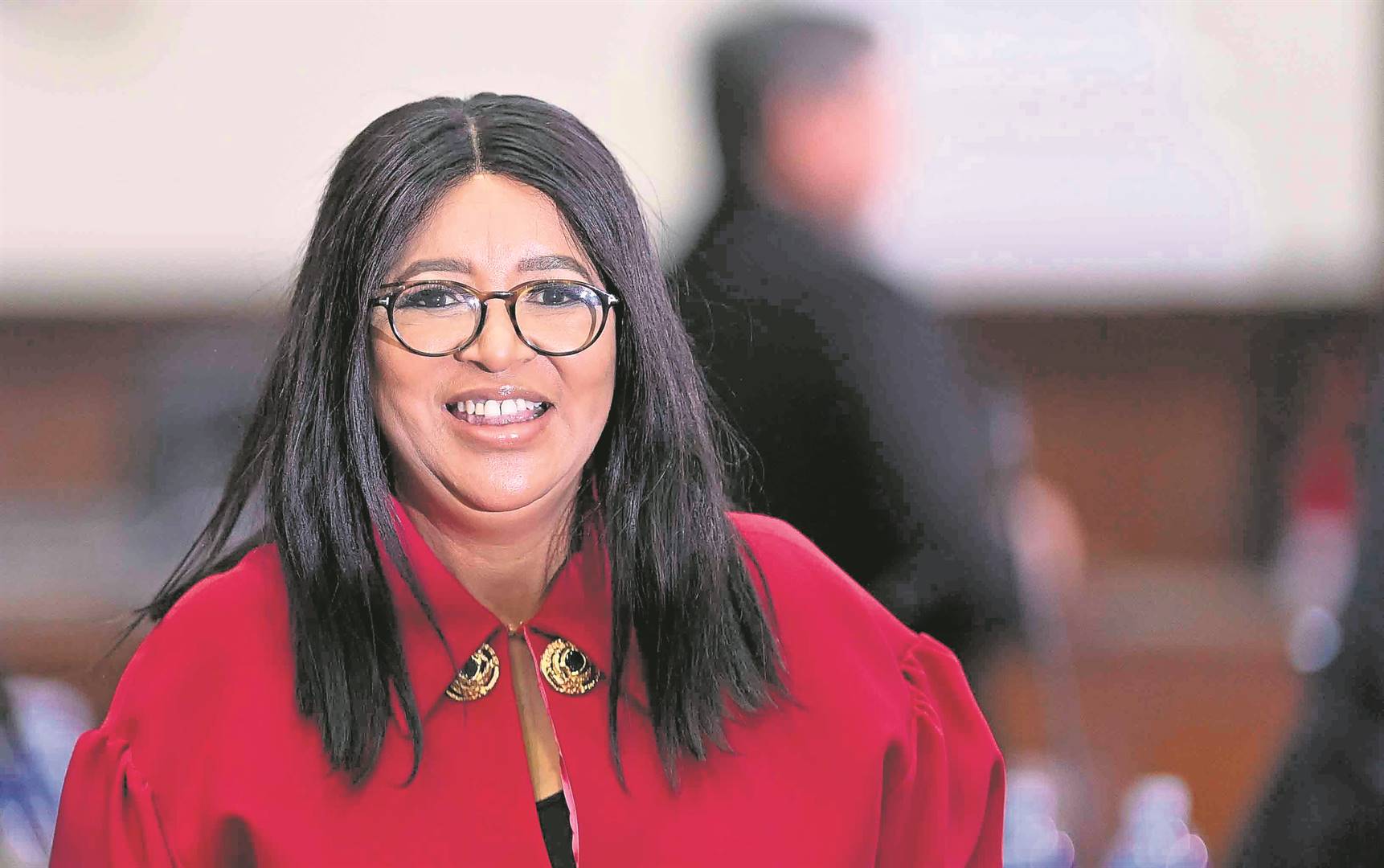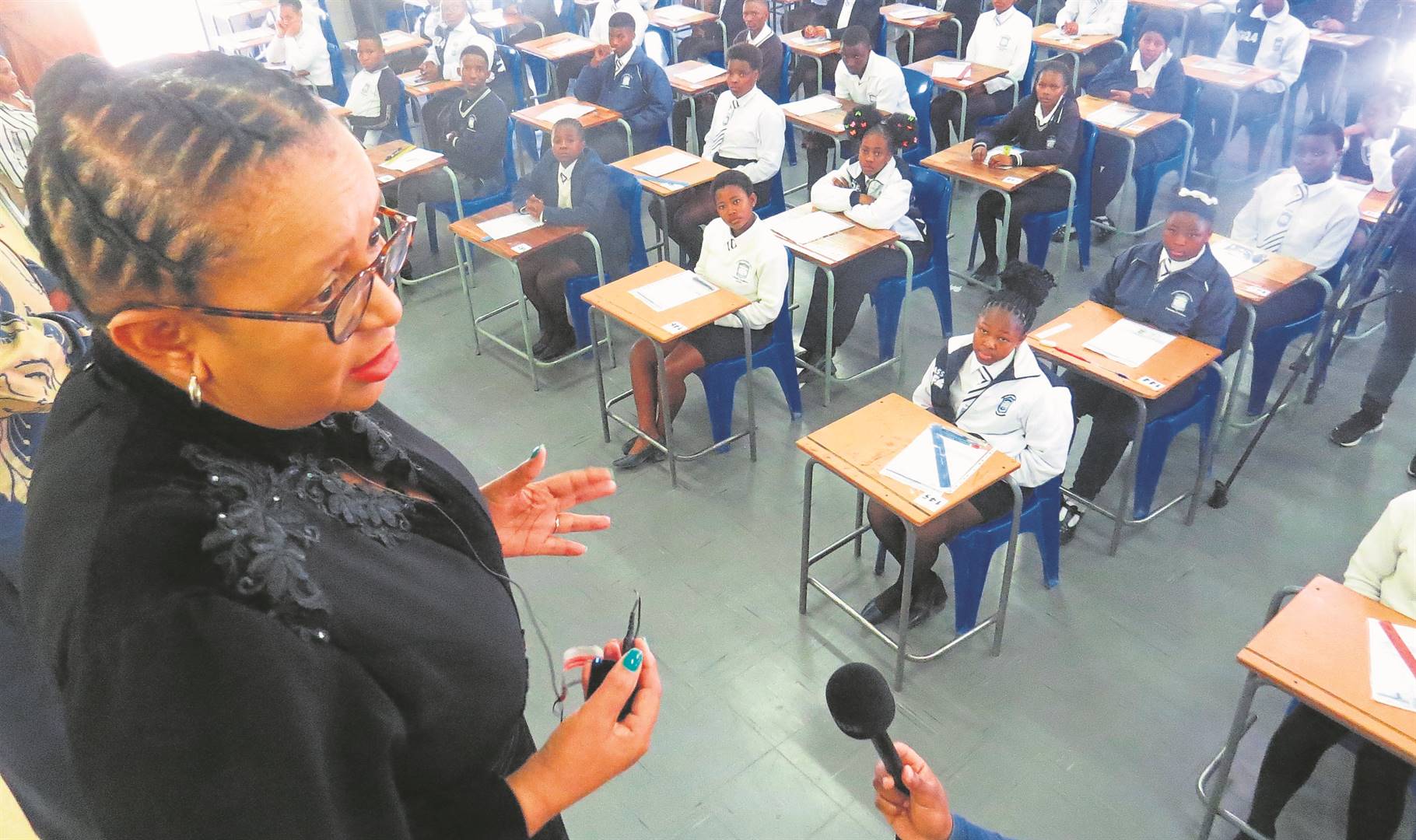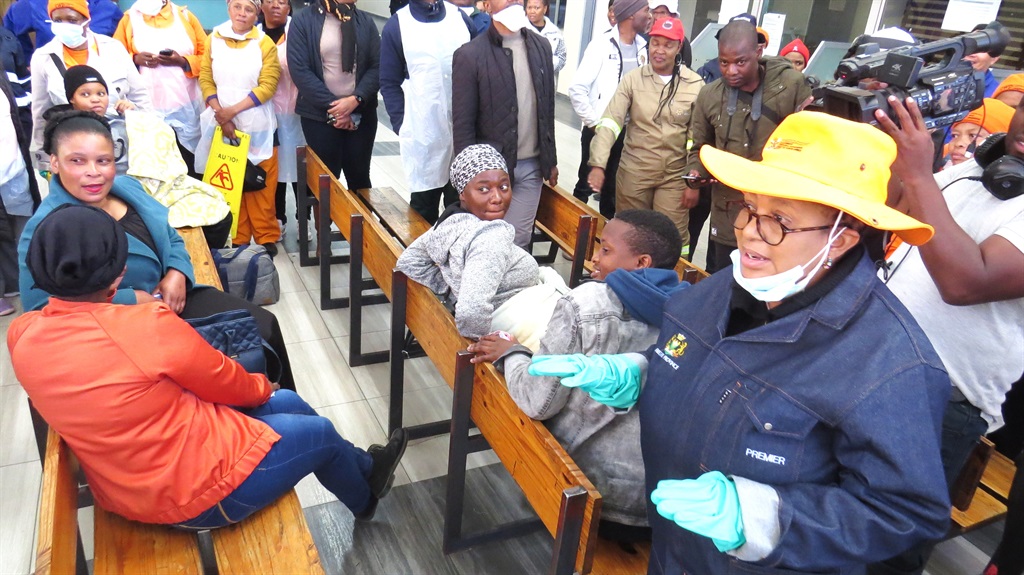

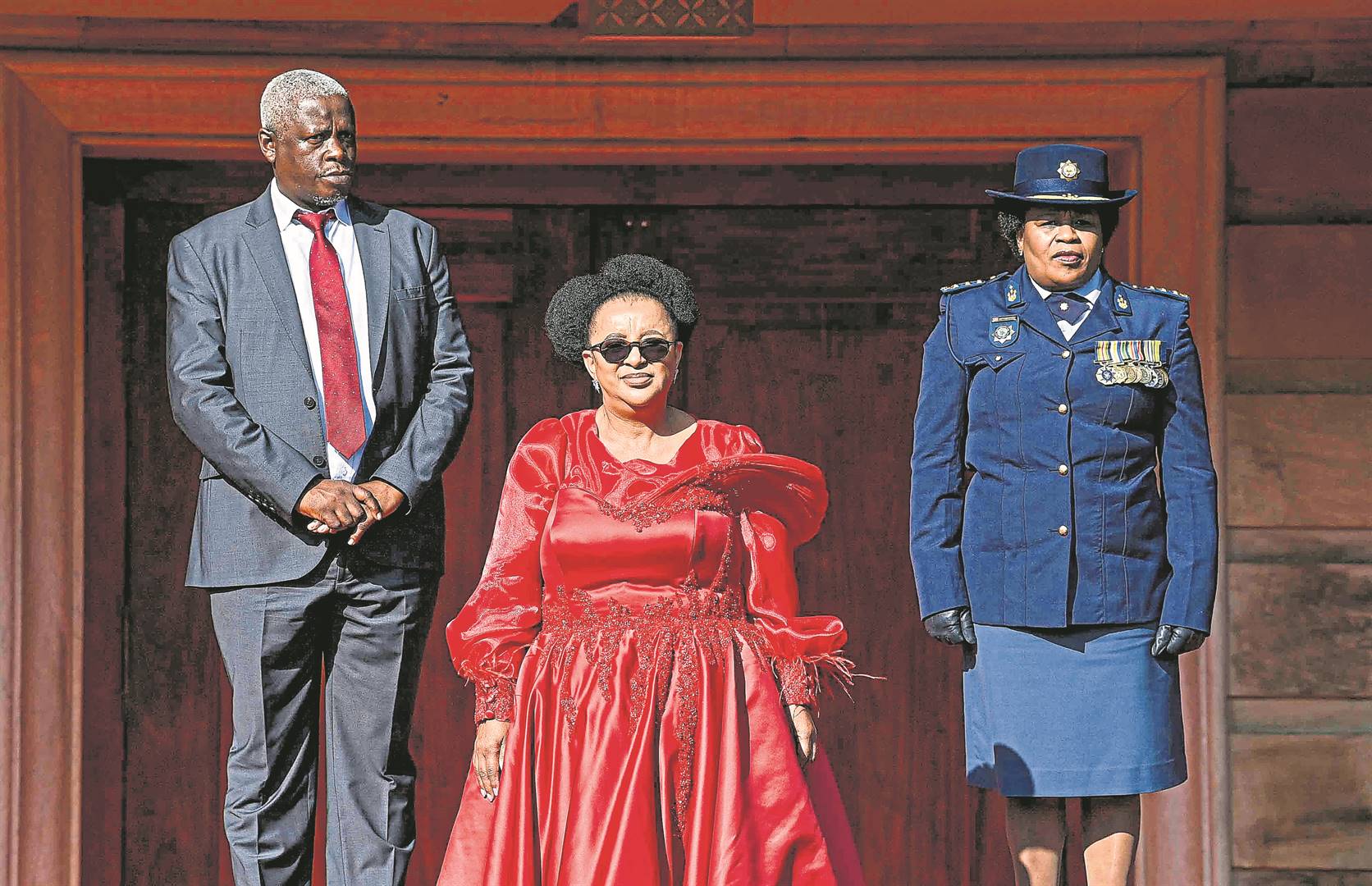
The newly elected Free State premier has stated that the five-year term that lies ahead of her represents a moment of great re-awakening and the ushering in of a completely new society. Maqueen Letsoha-Mathae spoke during her maiden state of the province address (Sopa) in Bloemfontein on Thursday, 8 August.
Letsoha-Mathae replaced Mxolisi Dukwana as the premier following the elections held on 29 May.
In line with the ideal of a great re-awakening and the ushering in of a new society, she said her government would prioritise the goals outlined by Pres. Cyril Ramaphosa in his opening of the parliament address on 18 July.
These are:
- Drive inclusive growth and job creation.
- Reduce poverty and tackle the high cost of living.
- Build a capable, ethical, and developmental state.
“We will implement these priorities with renewed vigour,” said Letsoha-Mathae.
“Our actions shall instil a sense of purpose and inspire hope for change in our province. Attaining inclusive economic growth features high on our agenda.
“We cannot stress enough the urgency needed to deal with the challenges that confront us. There are no easy answers to these challenges.”
She acknowledged the province’s high unemployment rate (45,5%) – deemed the highest in the country – is a crisis and a stumbling block to the province’s progress.
According to Statistics South Africa’s (Stats SA) Quarterly Labour Force Survey, for the first quarter of 2024, the Free State’s youth (15 to 34 years) remain vulnerable in the labour market and the total number of unemployed youth increased to 4,9 million, with the number of employed youth at 5,9 million. This resulted in an increase in the youth unemployment rate by 1,3% from 44,3% in the last quarter of 2023.
The tough-talking Letsoha-Mathae has vowed that no effort will be spared to grow the Free State’s economy.
“Unemployment remains a crisis of our time. It perpetuates poverty, breeds hopelessness, and deepens deprivation. This is worsened by low economic growth, which is projected to be 1,1% this year. Our provincial contribution to the national gross domestic product (GDP) is a marginal 4,9%, while the problem of inequality continues,” she said.
Letsoha-Mathae’s predecessor, Dukwana, lamented the rippling effect of the deteriorating state of road infrastructure on the economic development and growth, and blamed it on the inability of the provincial government and neglect of maintenance.
Letsoha-Mathae pointed out the significance of keeping agriculture afloat as the driving economic driver of the province. Stakeholders in agriculture have been lamenting severe challenges of infrastructure neglect, and that a lack of safety and security were besetting their potential for growth.
“We will repair and maintain rural roads, expand social services, protect labour rights, and leverage technology to improve security in rural areas. The agricultural sector holds immense potential for food security, high labour absorption rates and rural development in our province. We will increase our agricultural sector’s contribution from its current base of 6,8%.
“We will prioritise the production of high-value crops, exports, and value addition to increase our agricultural market share and productivity gains,” said the premier.