
Officialising South African Sign Language (SASL) as the 12th official language will, in principle, have no significant effect on any of the linguistic human rights listed in the Bill of Rights. The reason is because persons with hearing impairment already enjoy these rights.
If the Minister of Justice and Constitutional Development is of the opinion that they do not enjoy these rights and he therefore wants to make a constitutional amendment, this means that, strictly speaking, there is a systemic problem somewhere that should be investigated. What is needed from the state is law enforcement and the implementation thereof to make it possible for persons with hearing impairments to enjoy their linguistic human rights and not more legislation.
From this case we learn that there are misplaced expectations about what an official language can or should mean to you as a person.
The first lesson is that all persons enjoy the same linguistic human rights and that these rights, except for education, are not linked to official languages. The second lesson is that if your language is indeed an official language, you have very few claims to specific language rights. This is because of the legal restrictions that the state does not necessarily have to use more than three official languages. At most, you can only hope that you will at least be able to manage with more or less one of the three chosen languages at any given time.
The third lesson is that, because of its exceptional status, SASL is not subject to this restriction and that users of SASL therefore have a right to language choice in terms of interaction with the state, which speakers of the official languages do not enjoy.
The fourth lesson is that, for the sake of fairness, SASL will have to give up this status as soon as the language becomes official, which will be disadvantageous to this minority.
So, why is it unnecessary to make SASL an official language? Within the current dispensation, this will merely grant symbolic recognition to the language, which will not necessarily grant more rights to persons with hearing impairment than they enjoy already.
Apart from their claim to the same linguistic human rights as hearing people, persons who choose SASL as their preferred language enjoy the exceptional right that state entities must respect this choice, a right that hearing citizens do not enjoy.
Instead of creating false expectations about the implications of the officialisation of SASL among the hearing-impaired community, the state should make this community aware of the rights that they already enjoy in terms of existing legislation.
One’s fear is that the obsession with officialising SASL will end up being just another smokescreen for neglect of duty by the state. Bearing in mind that the date for South Africa to publicly respond to the Constitution Eighteenth Amendment Bill, B1 – 2023, was moved to 25 February 2023 from 30 June 2022. With this bill, the minister intends to amend section 6 (1) of the Constitution in such a way that SASL is added to the list of 11 official languages.
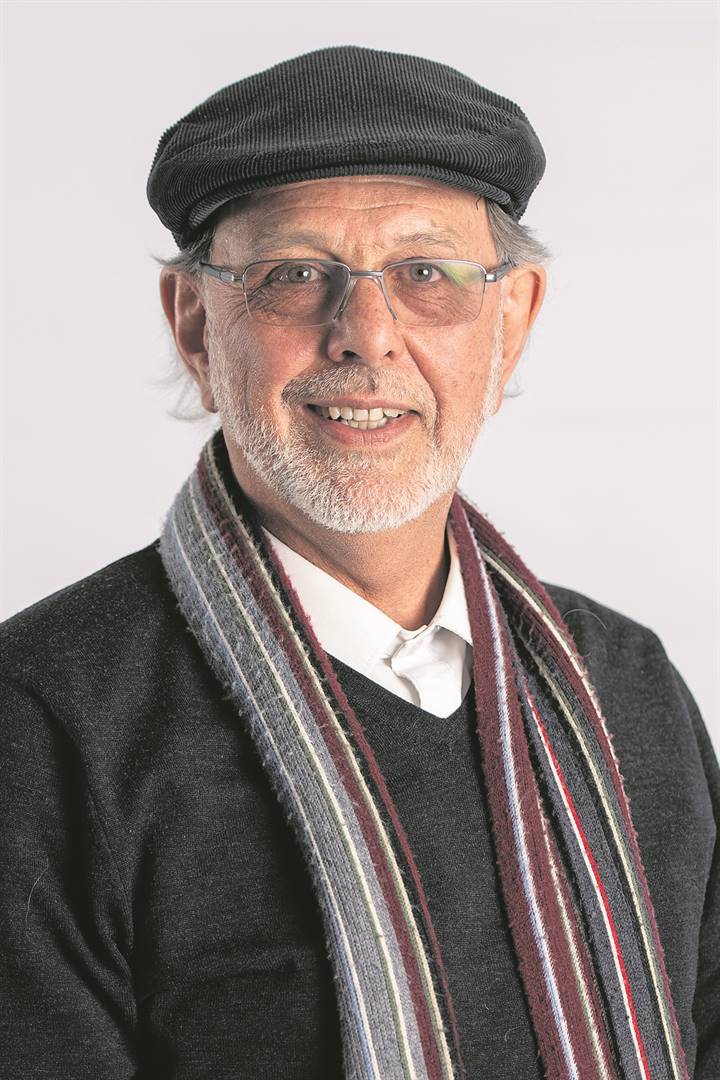
) Prof. Theodorus du Plessis is of the Department of South African Sign Language and Deaf Studies at the University of the Free State (UFS).