

The new national minimum wage determination, which includes workers categorised as vulnerable in the South African labour force, farm workers and domestic workers, is scheduled to come into effect on 1 March.
The minister of Labour, Thulas Nxesi, announced this on Friday, 2 February.
Teboho Thejane, spokesperson for the department, said the categories of workers were aligned with the national minimum wage rates since 2022.
The minimum pertains to the amount of pay that an employer is legally required to remunerate employees with for work done. The amount does not include payment of allowances (such as for transport, tools, food or accommodation) payments in kind (board or lodging), tips, bonuses and gifts.
The new minimum wage will be from R25,42 to R27,58 for each ordinary hour worked. This translates to an 8,5 % adjustment. This was published in the Government Gazette on Friday.
The national minimum wage is enforced by law, and violations are subject to fines, said Thejane.
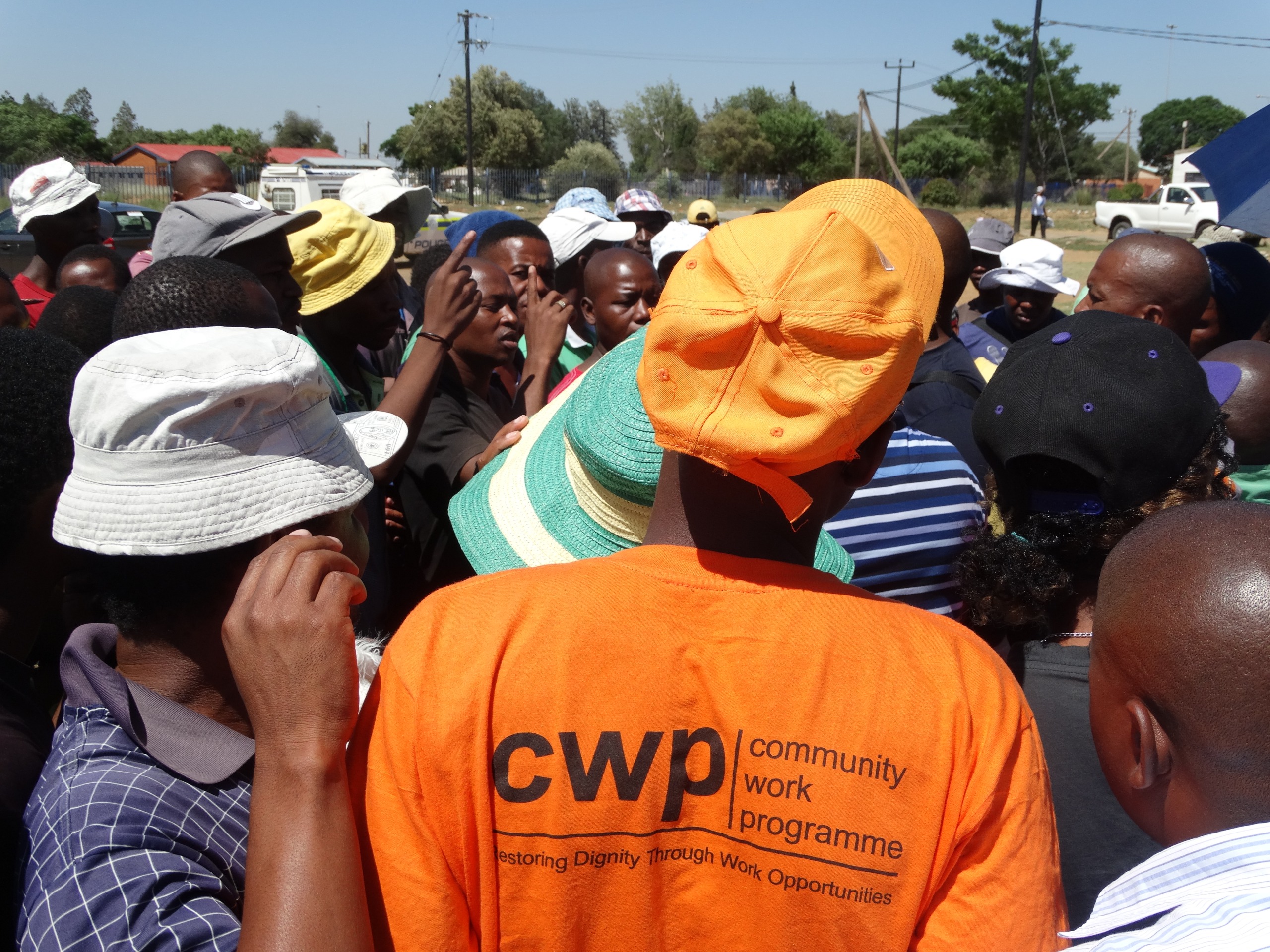
He said the workers employed on an expanded public works programme were entitled to a minimum wage of R15,16 per hour from R13,97. Thejane said the workers who have concluded learnership agreements contemplated in section 17 of the Skills Development Act were entitled to the allowances as determined in the latest government schedule.
He clarified that the act applied to all workers and their employers, except members of the South African National Defence Force (SANDF), the Domestic Branch of the State Security Agency and the Foreign Branch of the State Security Agency.
“The act does not apply to a volunteer – a person who performs work for another person and who does not receive, or is not entitled to receive, any remuneration for his or her service,” said Thejane.
Francois Wilken, president of Free State Agriculture (FSA), sharply criticised the decision pertaining to the new national minimum wage.
“The national minimum wage is completely out of touch with the economic realities experienced by businesses and is indicative of the total lack of understanding about the economic conditions in the country. It will also place a substantial burden on the sector.”
Wilken warned that the effect of an indiscriminate minimum wage adjustment would have a ripple effect on employment.
“Further job losses are not left out of account. The agricultural sector has the ability to create jobs, something the country needs at this stage. If the 32 % unemployment rate is considered, it would seem as if economic realities have blown out the back door when looking at the actions of decision makers.”