
South Africa recently celebrated Mother’s Day, most traditionally with a range of flowers, gifts and praises.
However, the wellness of mothers remains under-addressed, though it is undeniable that its ripple effect can have a generational impact on children, households and society.
Mothers do more than raise children – they incubate futures by hosting human life; then provide the space for its dreams, ideas, relationships, and values to take root and grow.
Within the home and beyond, they are emotional anchors, therapists, first responders and decision-makers.
Many do this while juggling formal work, and even outside of that: Mothers multiply resources in ways that often go unnoticed, but never go unfelt. http://Mothers are emotional anchors, therapists, first responders and decision-makers.
In 2024, Pres. Cyril Ramaphosa convened a collaboration to prioritise children, and in his 2025 State of the Nation Address (Sona), highlighted the country’s focus on early childhood development (ECD) – welcome hope for ECD practitioners, mothers and teachers.
Studies consistently show that when mothers have access to good healthcare, mental health support, and economic security, the ripple effects benefit every member of the family.
Children show better developmental outcomes, partners experience less stress, and extended families often gain a more sustainable caregiving structure – all of which are the building blocks of any stable home and society.
Supporting mothers requires more than annual gestures; it demands real, systemic care.
Mental health challenges like postnatal depression, burnout and chronic stress are widespread, and mothers need accessible therapy, support groups and community care that treats these issues seriously.
Though interventions to support mothers do exist, they are outnumbered by their demand in communities.
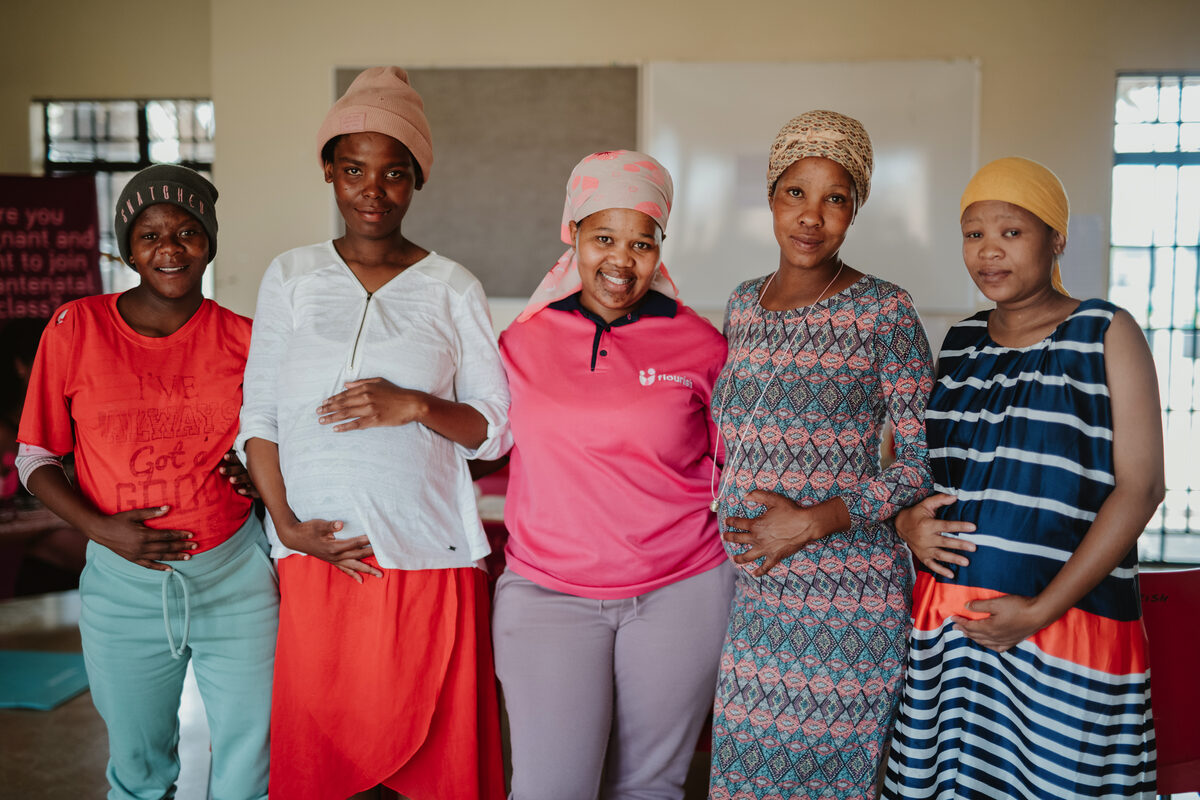
One such intervention is Flourish, a programme that exists to address the need for support for mothers, empowering them during the most critical time in a child’s development – the first 1 000 days from conception to a child’s second birthday.
The programme recognises that the first investment in a child’s development is the environment in which they are hosted during pregnancy and post birth: their mother.
Flourish plays the much-needed role of walking alongside moms by offering guidance on healthy eating and newborn care, ensuring the health of both mother and child.
In addition, access to quality maternal healthcare before, during and after childbirth is an important enabler and eliminator of issues like nutritional stunting, which affects children’s ability to learn and develop.
It has been found that maternal healthcare must be affordable, respectful, and centred on the mother’s experience in order to be impactful.
Childcare work needs to be given the dignity it deserves, and childcare workers resourced and enabled to run thriving early childhood centres, as second mothers to children.
These interventions are not perks, but necessities.
It truly takes a village to raise children, and society does affect the growth of a child; especially in the African context where mothers are spread thin, playing multiple roles.
Prioritising mothers recognises the mother-support ecosystem as well. These supporting elements are fathers, aunts and those who mother without having birthed – as collaborators in seeing children from healthy pregnancies and birth, to thriving adulthood.
Mothers should be honoured with action that will benefit them by building systems that reflect their value and supporting interventions that enable the systems built to reach all communities.
– Nozuko Poni and Lumka Mohapi, communications practitioners at the Letsatsi Solar Park Trust in the Free State.