

Theodore Chikuma
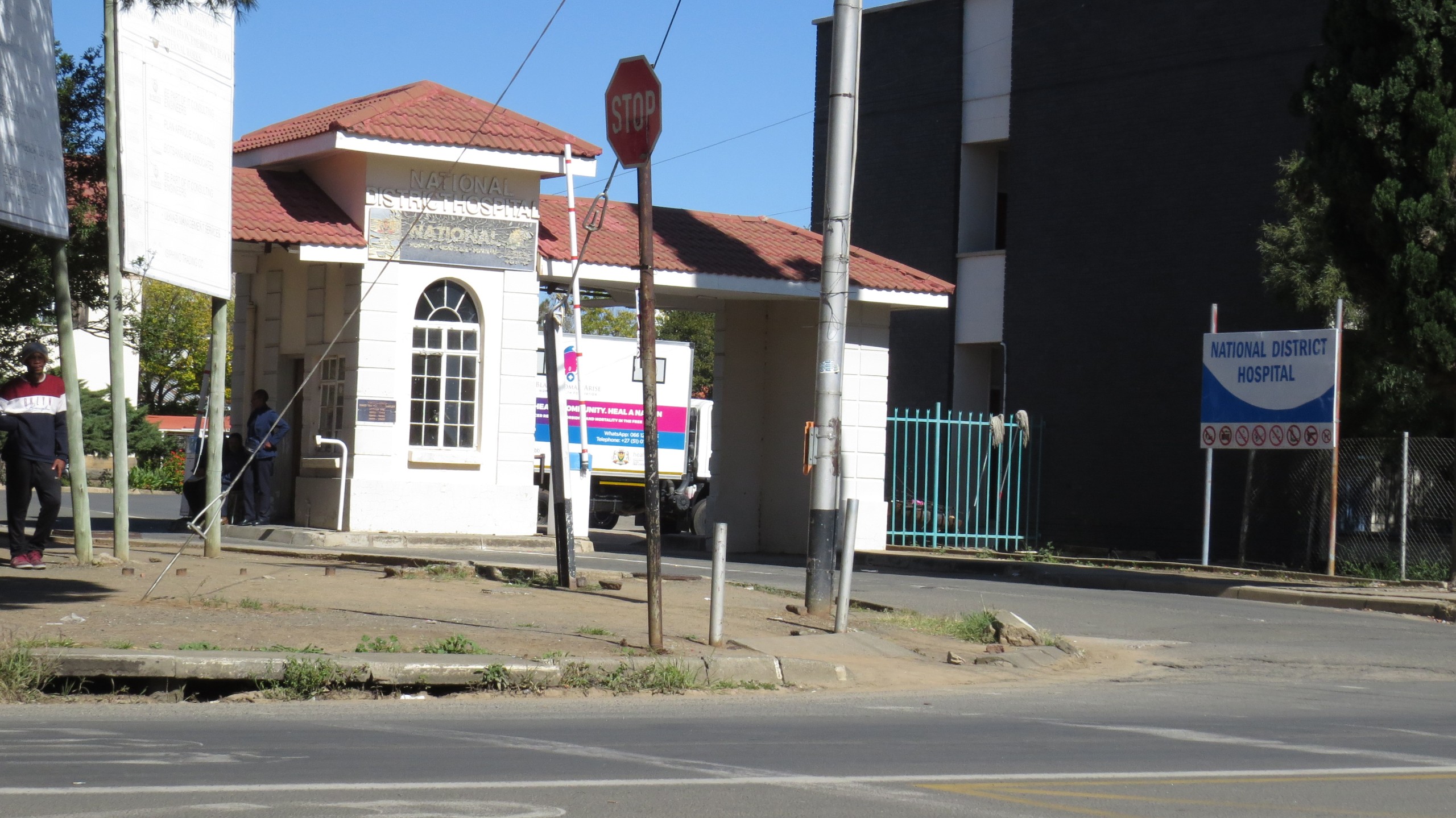
One could write several best-selling volumes documenting the persistent and systemic failures of service delivery at the Pelonomi Regional Hospital in the Mangaung Metropolitan Municipality (MMM) in Heidedal, Bloemfontein.
The experiences of patients are so widespread and consistent that one could stop at almost any household in Bloemfontein and receive a detailed account of neglect, indignity, and institutional dysfunction associated with this facility. The quality of service has deteriorated to such an extent that even senior political officials, including Free State Premier Maqueen Joyce Letsoha-Mathae, have reportedly experienced and acknowledged the poor standards of care at this hospital.
Initially, it may appear as though these failures disproportionately affect people of colour; however, direct observation confirms that the problem is systemic and not racially selective. White patients, too, are subjected to dismissive treatment, negligence, and a general lack of professional care – often at the hands of white medical practitioners themselves. This points to an entrenched culture of institutional neglect rather than isolated incidents of misconduct.
When citizens access public hospitals, they are too often treated as though they are a burden on the system. They are regarded as second-class citizens or expendable. This occurs despite the fact that public healthcare services are funded by taxpayers and are not charitable favours bestowed upon the public.
South Africans have a legal and constitutional right to access healthcare services with dignity, respect, and reasonable quality.
The treatment of patients, as described, represents a direct violation of these constitutional obligations. Chronic delays, misinformation, neglect, and avoidable deterioration of medical conditions constitute a failure to comply with this legally protected entitlement.
The dental services at Pelonomi exemplify the broader systemic collapse. Patients queue as early as 05:00 merely to open a file at 08:00, only to be told to return hours later – or on another day entirely to access a student dentist. Many patients report being subjected to painful, inadequate procedures that exacerbate their condition rather than resolve it. Teeth are broken beyond repair, leading to avoidable surgical extractions that impose additional costs on the healthcare system through surgery, medication, and post-operative care.
It is alleged that critical dental equipment, including a tooth-cleaning machine, has been non-functional for nearly a decade and has never been replaced. This represents gross mismanagement of public resources and a failure to maintain essential medical infrastructure, despite ongoing budget allocations.
Even more alarming is the reported waiting period of up to a month for emergency dental surgery following an already traumatic experience. Patients suffering from acute toothaches are routinely sent home and instructed to return weeks later – effectively being told to endure pain, infection, and potential life-threatening complications. In practical terms, this equates to medical abandonment.
As a result of these systemic failures, many lives have been lost – some directly, others through preventable complications caused by delayed or inadequate care. The question that must be asked is: how many more lives must be lost before accountability is enforced?
Ironically, amidst this widespread dysfunction, one of the most humane and dignified aspects of the hospital experience is a gentleman who offers morning prayers for patients and provides clear guidance on hospital procedures.
This act of compassion stands in stark contrast to the institutional failure surrounding it and highlights how basic humanity has been replaced by bureaucracy and indifference.
Public healthcare in South Africa is not a favour; it is a right. Any system that treats its people otherwise is not merely inefficient – it is unlawful.
■ Chikuma is an activist, as well as director of Mr Central SA and YEZ Models.