
An awareness drive educating women about preventing fetal alcohol spectrum disorder (FASD) births is ongoing in South Africa for the duration of September. The commitment to globally maximise the education campaign will activities held on Monday 9 September, known as International FASD Day.
The prevalence of pregnant South African women drinking alcohol has resulted in the country having high rates of FASD births on a global scale. According to the World Health Organization’s (WHO) reports, the global FASD prevalence is less than 1%, while in South Africa the rate is approximately 11%.
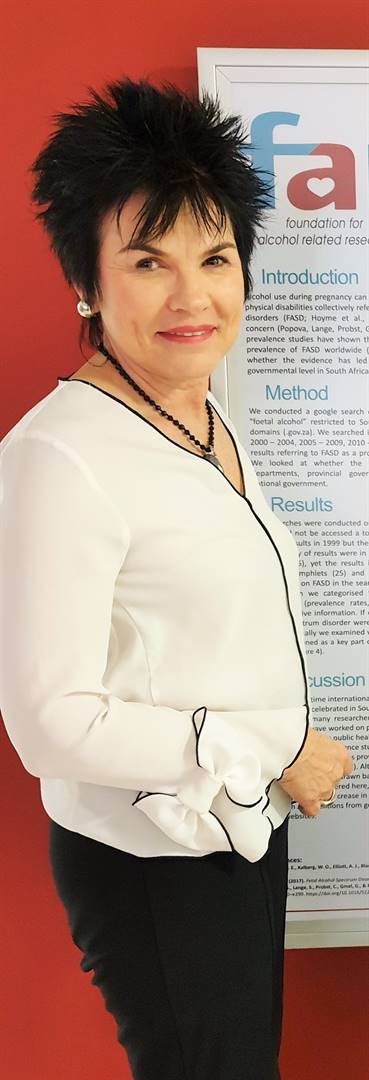
Dr Leana Olivier, chief executive officer (CEO) of the Foundation for Alcohol Related Research (FARR), said research on FASD prevalence is done by the organisation. In some communities, rates as high as 28% have been reported. “It is estimated that our country’s overall rate might be as high is 11%, according to WHO report in 2018. FASD causes permanent damage but it is 100% preventable by women not drinking alcohol during pregnancy,” she said.
Olivier explained that FASD is caused when an unborn baby or foetus is exposed to alcohol in the womb. “Of great concern globally, also in South Africa, is that many women have unplanned or ‘surprise’ pregnancies and therefore only confirm their pregnancies when they are already a few weeks pregnant. Unknowingly, they might have exposed their unborn babies to alcohol, if they used alcohol during this period. A mother does not need to be a heavy drinker or an alcoholic to have a child with FASD. Even small amounts of alcohol can potentially harm the unborn baby (foetus),” said Olivier.
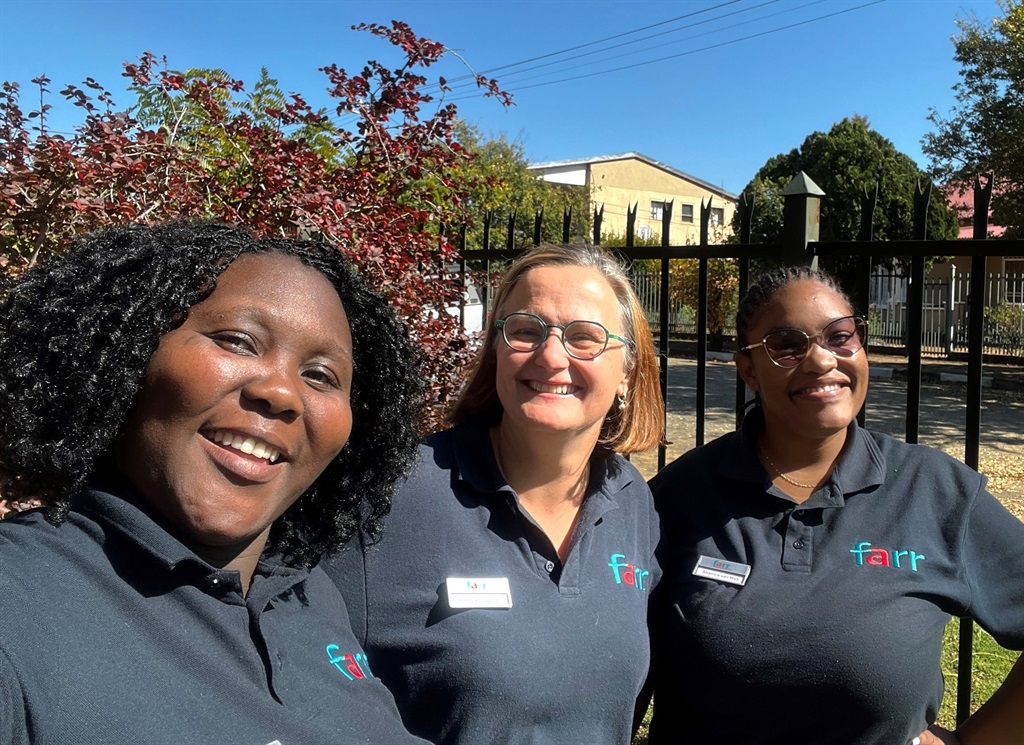
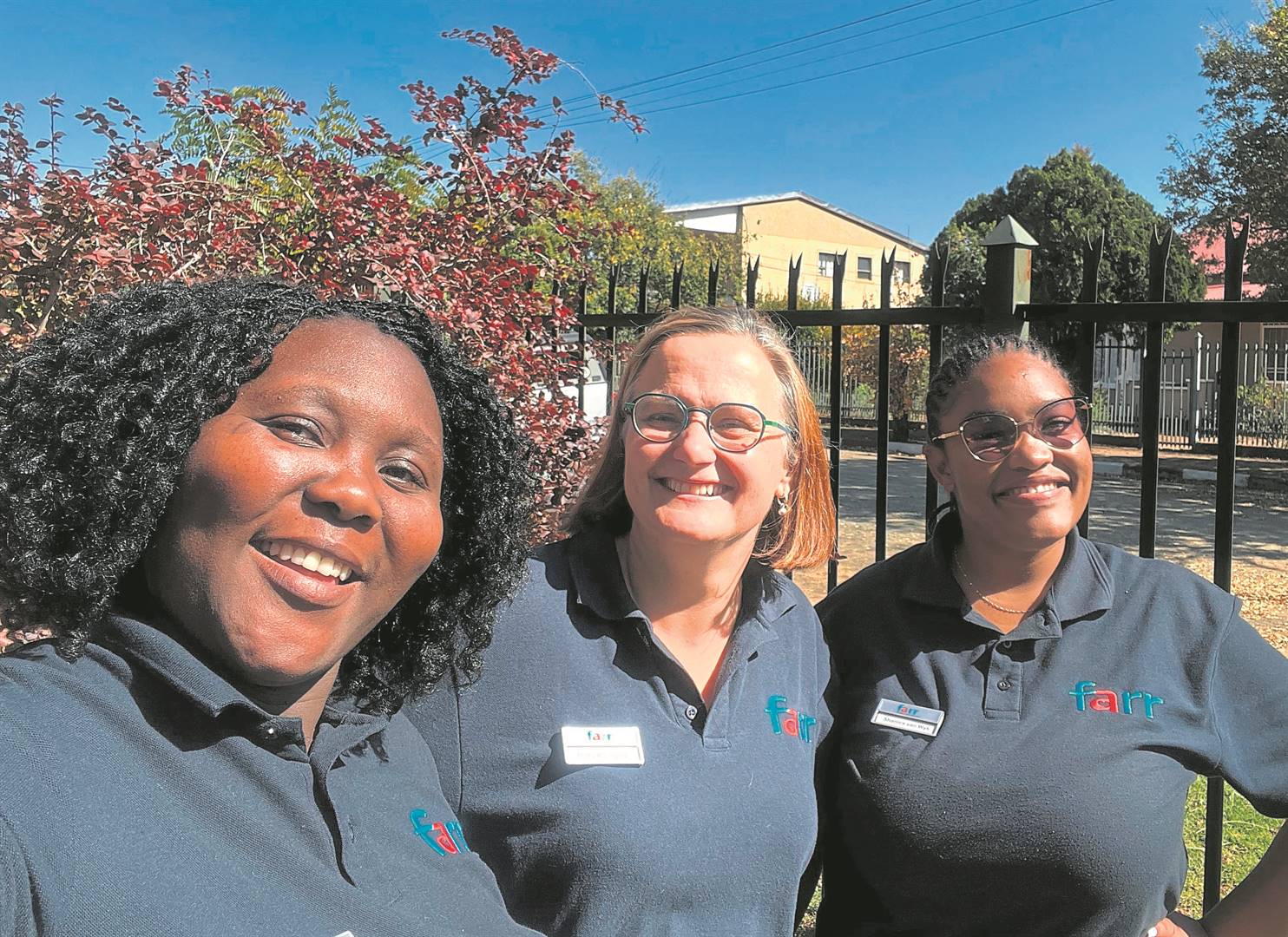
The FARR’s project team based in Trompsburg, from the left Isabel Motshabi, Petro Kleingeld and Shanice van Wyk.
This intervention by FARR is made possible through 13 project centres in the Free State, Northern Cape, Eastern Cape, and Western Cape. Olivier said they have completed 18 FASD prevalence studies in the respective provinces, also training professionals working in those sites on how to support individuals with FASD. “Training, support and prevention services are rendered to capacitate communities to be able to implement alcohol harm reduction measures and to decrease the number of babies born with FASD.”