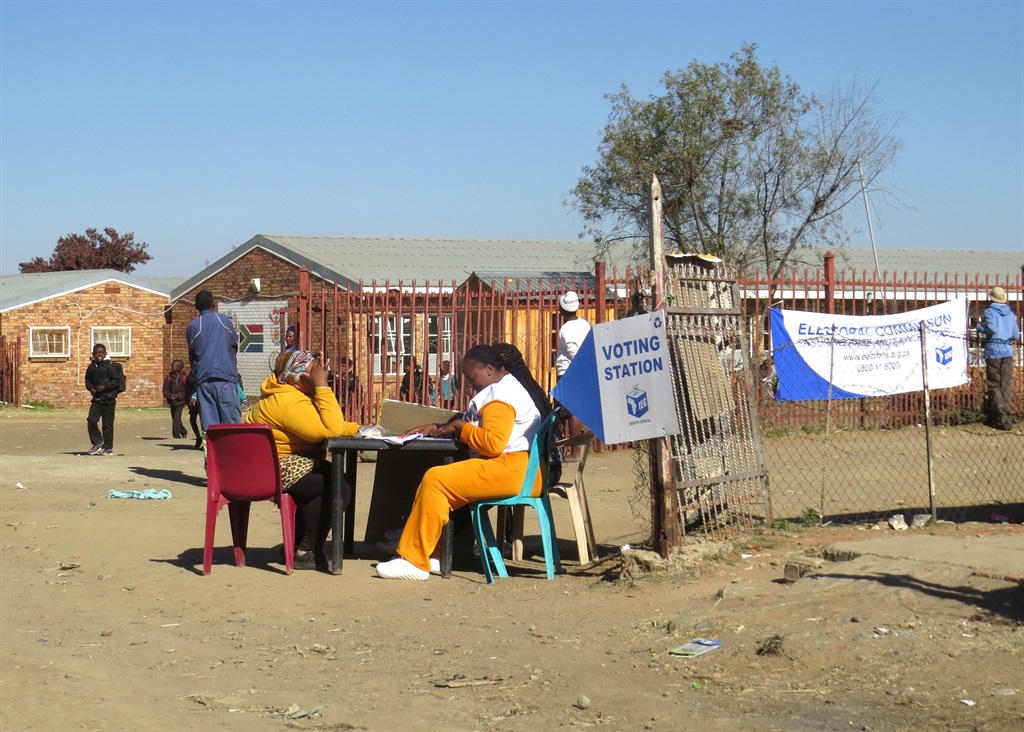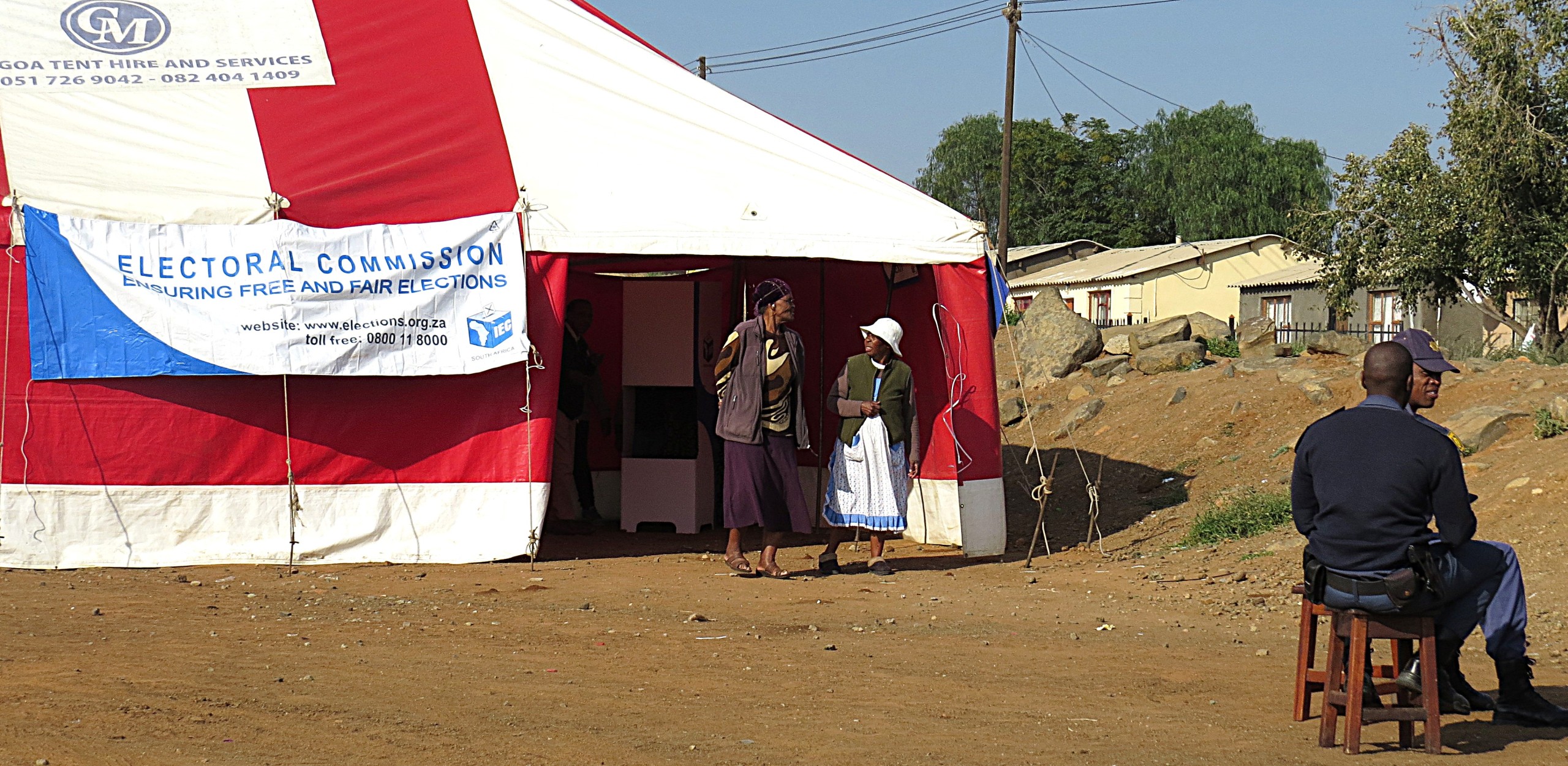

The 2021 South African municipal election was a momentous one in the country’s record of elections Z likely one that would be regarded as seminal, as it consolidated the era of “substantive uncertainty” initiated after the 2016 local government elections.
Indeed, 2021 was perhaps the beginning of the end of history in South African politics post the 1994 era, as we all knew it. The 2021 municipal elections saw the electorate increasingly disillusioned and disengaged with the general state of South Africa’s electoral politics – and the state of South Africa’s democratic governance system in particular, leading to a loss of trust and confidence in public institutions.
The deteriorating service delivery and increasing allegations of (sometimes blatant) acts of corruption led to this outcome.
The Auditor-General (AG) reports, year after year, point to rampant, fruitless, wasteful, and unauthorised expenditure and breakdown in fiscal discipline in all three spheres of government. This is arguably one of the chief reasons for lower participation and voter turnout in the 2021 elections compared to others.
The fear is lingering, going to the 2024 national and provincial elections, although the impressive turnout to the registration window is cause for optimism.
Goal 16 of the 2030 Global Development Agenda is about promoting peace, justice and strong institutions and seeks to promote peaceful and inclusive societies for sustainable development, provide access to justice for all, and build effective, accountable and inclusive institutions at all levels. Chapter 13 of the NDP is premised on building a capable and developmental state.
Good governance has a big multiplier effect to help achieve and realise all the other national development goals, and the Sustainable Development Goals (SDGs). A loss of confidence in public institutions translates into a deterioration in the democratic process, accountability, and responsiveness required in sustainable democratic governance systems.
Almost all recent surveys over the past few years point to a decline in trust of public and political institutions, with satisfactory levels hovering at just over a third.
It is against this background and building on some of the initial discussions and interactions in the National Dialogue on Coalition Governments in August 2023, the United Nations Development Programme (UNDP), in its capacity as a convenor, integrator, and knowledge broker, in collaboration with the South African Local Government Association (Salga) and Friedrich-Ebert-Stiftung (FES) held a stakeholder seminar on this subject on 28 to 29 February in Pretoria.
The insights and outcomes from this seminar are expected to be instrumental in contributing to a comprehensive framework for implementing effective strategies for coalition governance at all levels in South Africa.
Ronald Reagan, former American president, once said, “Government is not the solution to our problem; government is the problem.”
And suppose a state which has been bestowed with a responsibility to maintain law and order, good governance, and the delivery of services to all people equitably is not able to discharge these tasks because of very fragile and fractured political arrangements, then that statement may find resonance to the general populace.
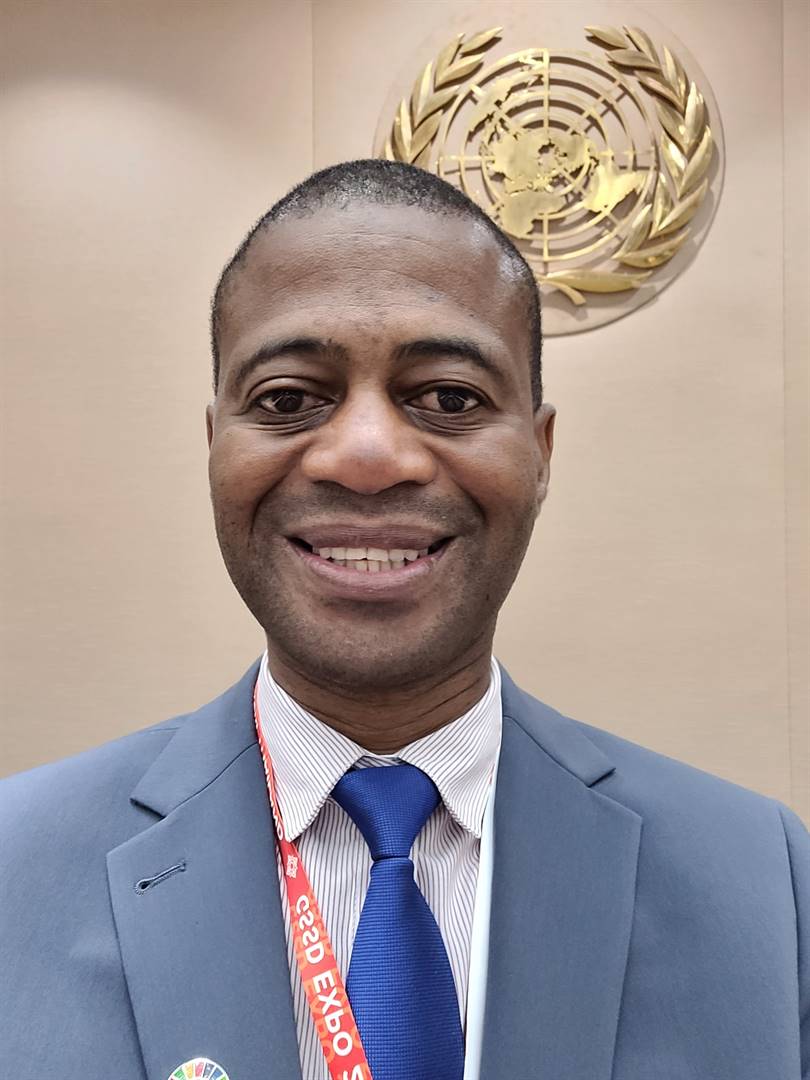
Bongani Matomela is the programme manager for governance
at the United Nations Development Programme (UNDP) in South Africa.
Writers interested in having their
thoughts or opinion pieces published, at no cost to themselves (for free), in BloemExpress, are welcome to submit their writings via email to teboho.setena@media24.com, to be considered for publication. Opinion pieces must not exceed 500 words, and must also be accompanied by a useable, high-quality photo.