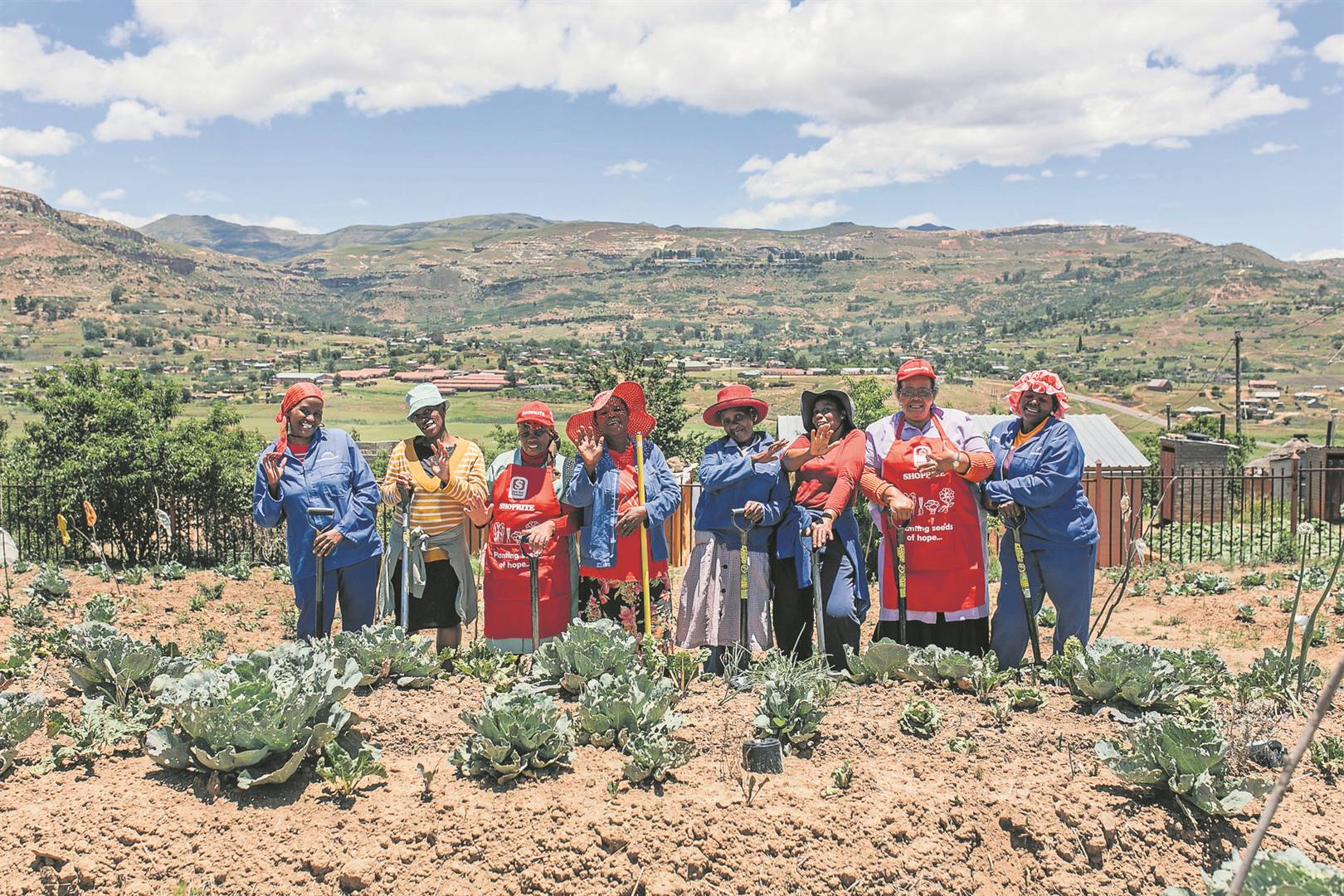

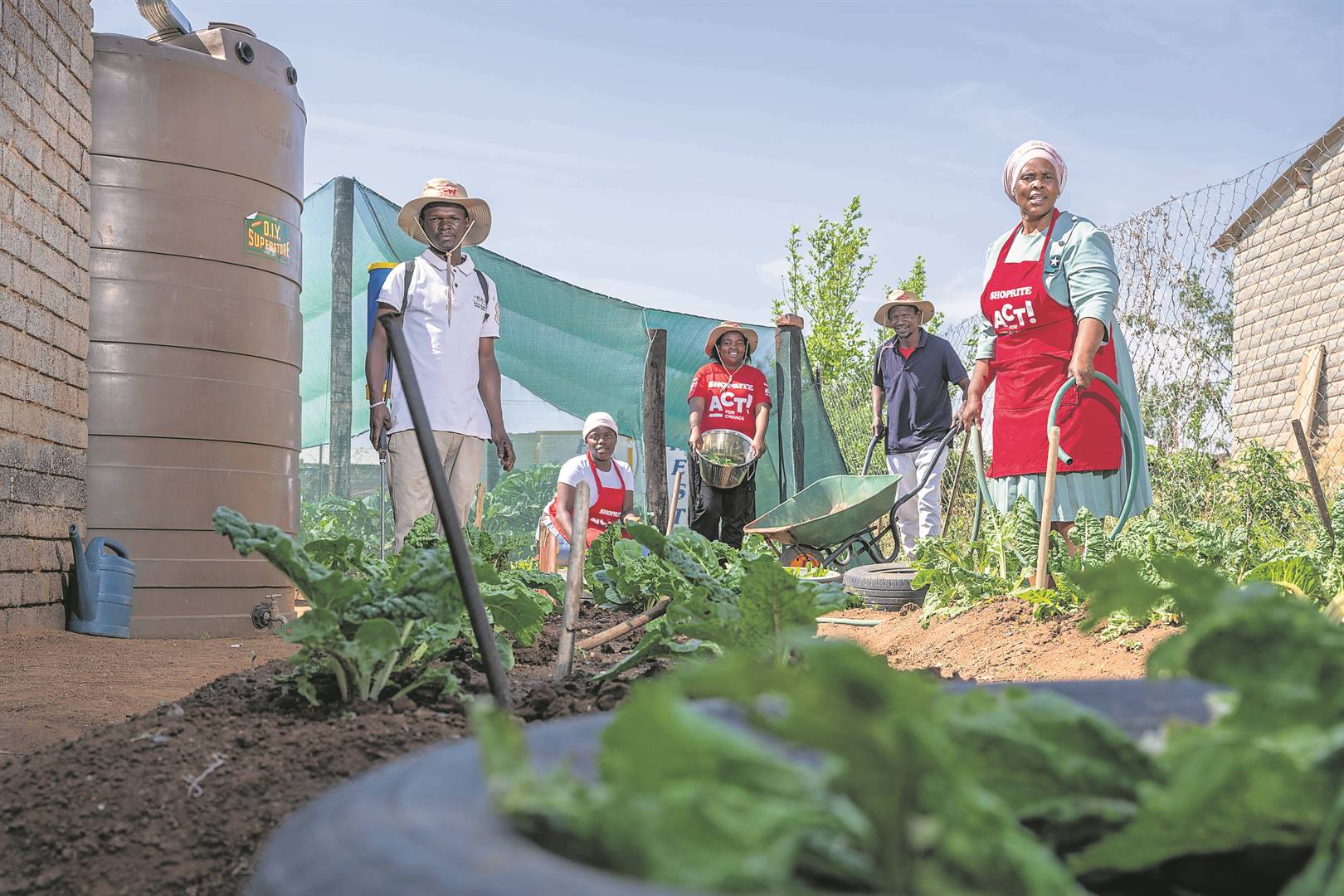
The food garden run by the Dikonyana Community Based Care Centre in Bloemfontein has proven to be a lifeline for those who benefit from it, providing aid to destitute people in the community.
Founded by Selina Majafi in 2004, the centre operates from the Namibia settlement.
Through its vegetable garden, the centre provides the much-needed improvement in food security to a community facing the hardship of poverty due to unemployment, owing to South Africa’s stagnant economy.
The garden provides reliable work opportunities and the opportunity to acquire agricultural skills to four unemployed youths.
These members of the centre have used their new-found skills to generate an income for themselves, and they have also established homestead gardens to support their families.
Through the vegetable garden, the centre now feeds over 130 people, and beneficiaries receive meals three to five days a week. This becomes possible due to growing production.
Any surplus produce is sold to the public and members reinvest the proceeds to ensure the garden prospers.
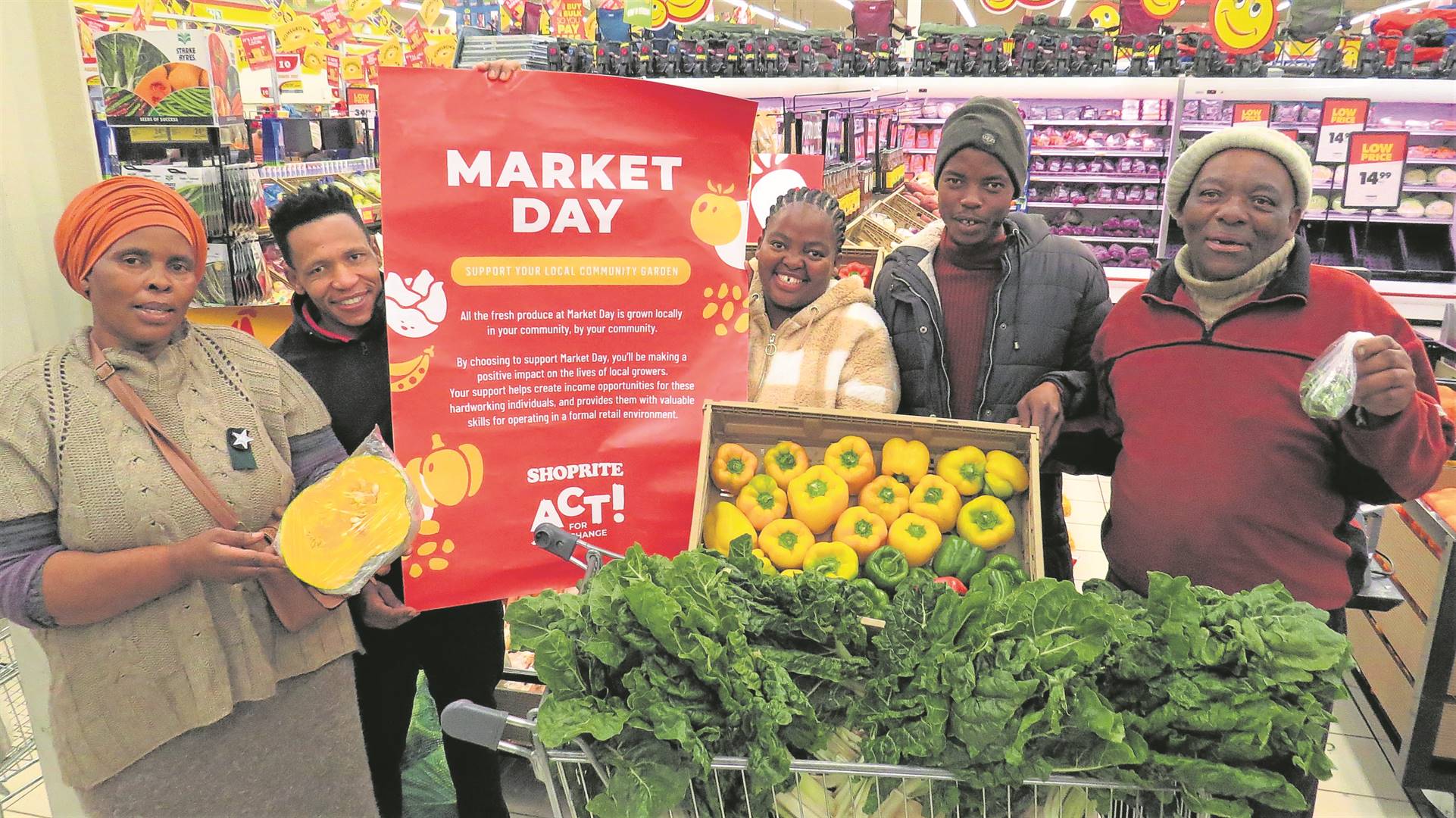
In addition, the centre actively participates in a Shoprite market day, which is ongoing throughout the year.
“The support from the community and partners like Shoprite keeps me going. Seeing the joy and gratitude on the faces of those we serve, fills me with pride and reminds me that our work truly matters,” said Majafi.
According to Majafi, the garden is more than a project, saying it is a symbol of resilience and a testament to the power of community.
Her dedication helps to feed hungry mouths and uplift some households in the community of Namibia.
In partnership with the Commonwealth Handling Equipment Pool (Chep), Shoprite has supported the garden with much-needed infrastructure such as fencing, shade netting and a water harvesting system.
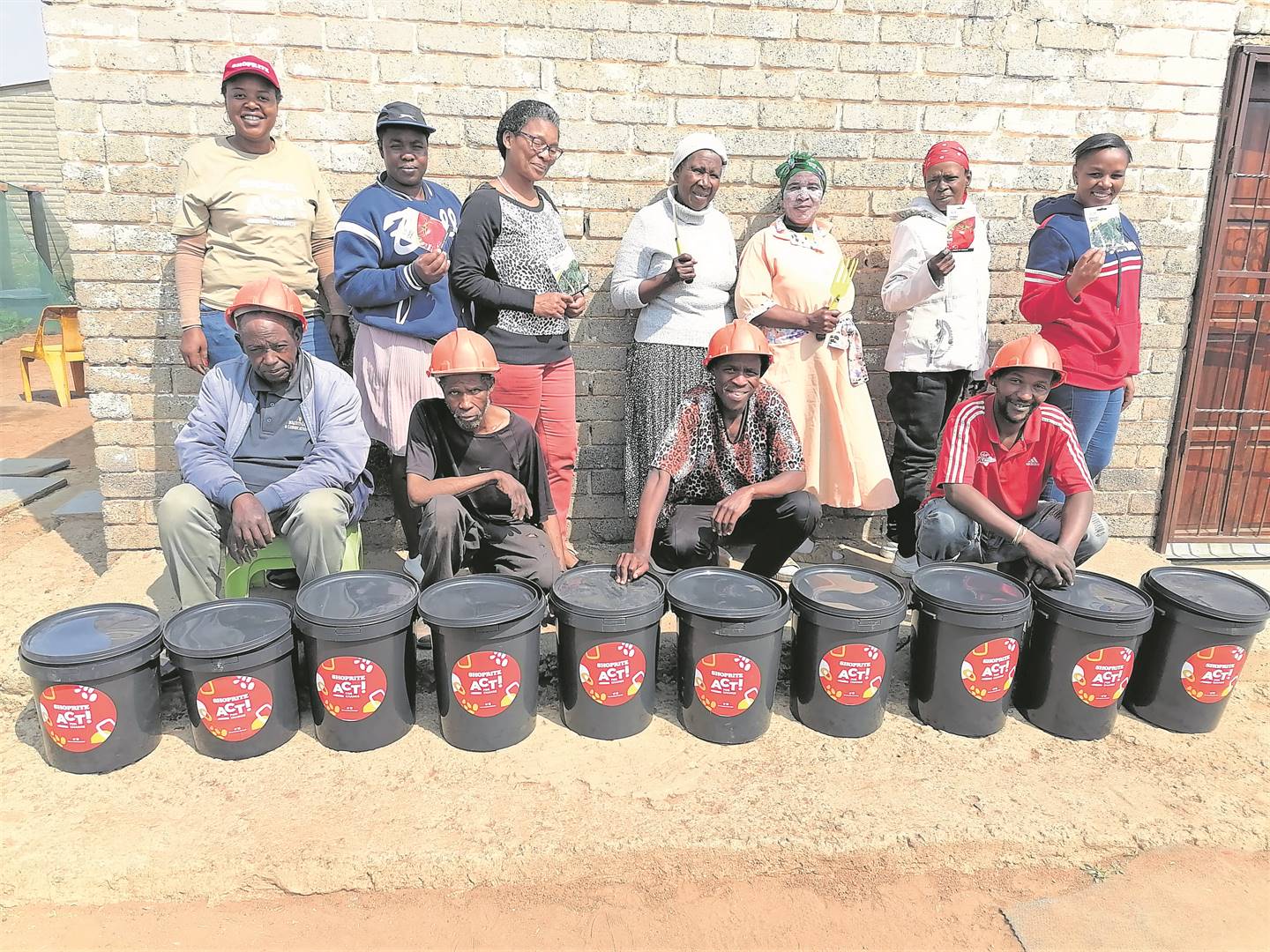
In addition, members have received 18 months of hands-on permaculture training (an approach of working with, rather than against, nature), and the retailer continues to provide gardening resources such as seeds, seedlings, and fertiliser.
Continued support is part of the retailer group’s commitment to hunger relief and food security.
“We are committed to strengthening the resilience of the communities we serve,” said Sanjeev Raghubir, chief sustainability officer at the Shoprite group.
“Food gardens enable vulnerable communities to become more self-sustaining, making them a crucial part of our strategy to help address food security in South Africa.”
Raghubir said the food garden programme has indirectly impacted around 80 000 beneficiaries since its inception in 2015.
According to the South African Food Security Index for 2024, developed by two economists of Stellenbosch University (SU), food security is at its lowest in a decade in South Africa.
The focus of the research done to draw up the index was on availability, access, utilisation, and overall stability from 2012 to 2023, using publicly available and annually updated data.
The index revealed South Africa has dropped significantly to 45.3 in 2023, having peaked at 64.9 on the index in 2019.
According to Raghubir, the findings painted a bleak picture that, on average, more South Africans experienced greater food insecurity in 2023, compared to any other year between 2012 and 2023.
Trends revealed by the index
- One in four of the poorest households reported that children in their homes went hungry in 2023.
- Male-headed households have lower risks of hunger (12,5% in rural areas and 8,7% in urban areas) than female-headed households (16,7% in rural areas and 11,9% in urban areas).
- By 2023, 11,8% of households said they were consuming a lower variety of food than usual, given economic constraints.
- Food security varies significantly across the country. While Limpopo performs surprisingly well, the Eastern Cape had moved into “poor” territory by 2023.
- At a national level, food availability declined from a peak of 2,8 tonnes of raw food per person per year in 2017, to 2,6 tonnes in 2022.