

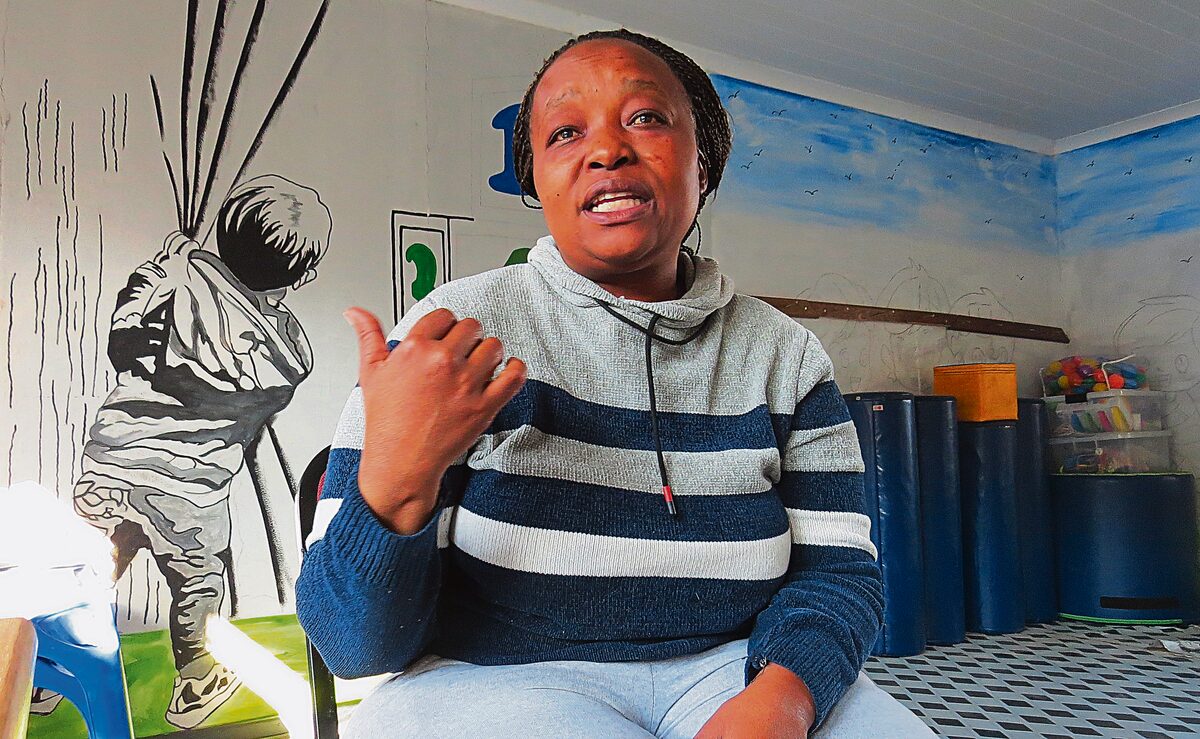
BLOEMFONTEIN: Advocating for and improving the lives of autistic children is Buyi Choene’s mission. She is the founder of the Nazarene Hope Centre in Bochabela, Bloemfontein. A mother to a child with Autism Spectrum Disorder (ASD), Choene founded this non-profit centre at her private residence in 2013. It has since transformed into a beacon of hope for autistic children in this Bloemfontein township.
Due to its ability to provide much-needed care, several parents of autistic children rely on this centre for their daily needs. Choene applies a multi-faceted approach in executing her mission. She focuses on increasing public awareness, providing tailored support for individual needs, advocating for appropriate services, promoting inclusive environments, and empowering autistic individuals to thrive by leveraging their unique strengths rather than trying to force them to fit a specific mold.
Choene said it took her four years to discover her child was autistic. The struggle to find an affordable daycare that would provide proper care for her child inspired her to take matters into her own hands.
“I decided to open a centre that accommodates everyone,” said Choene.
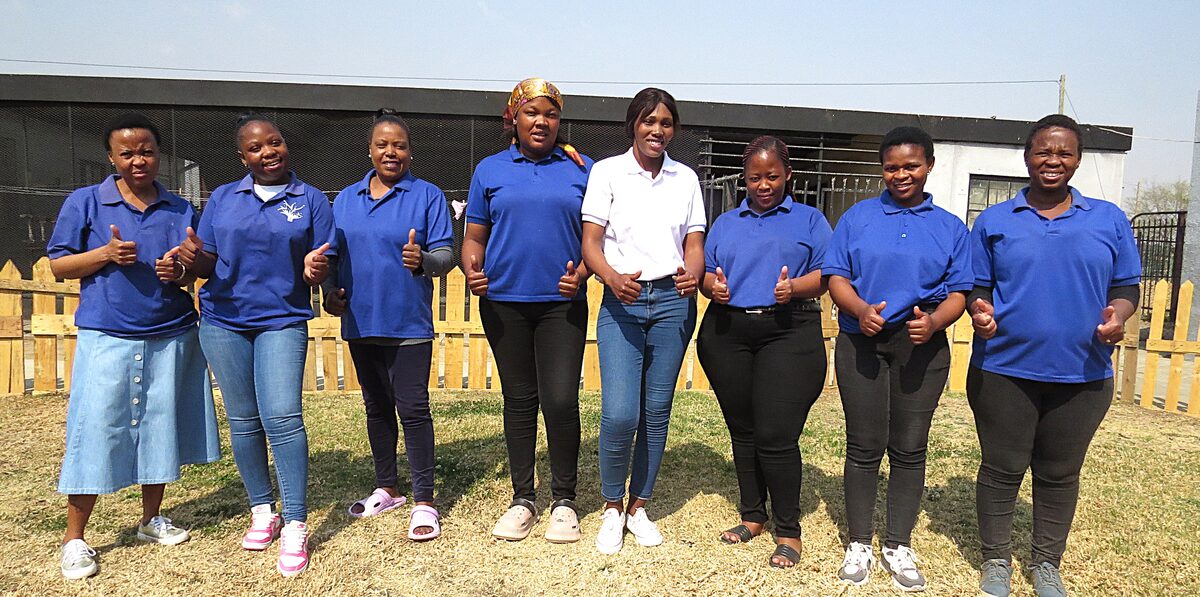
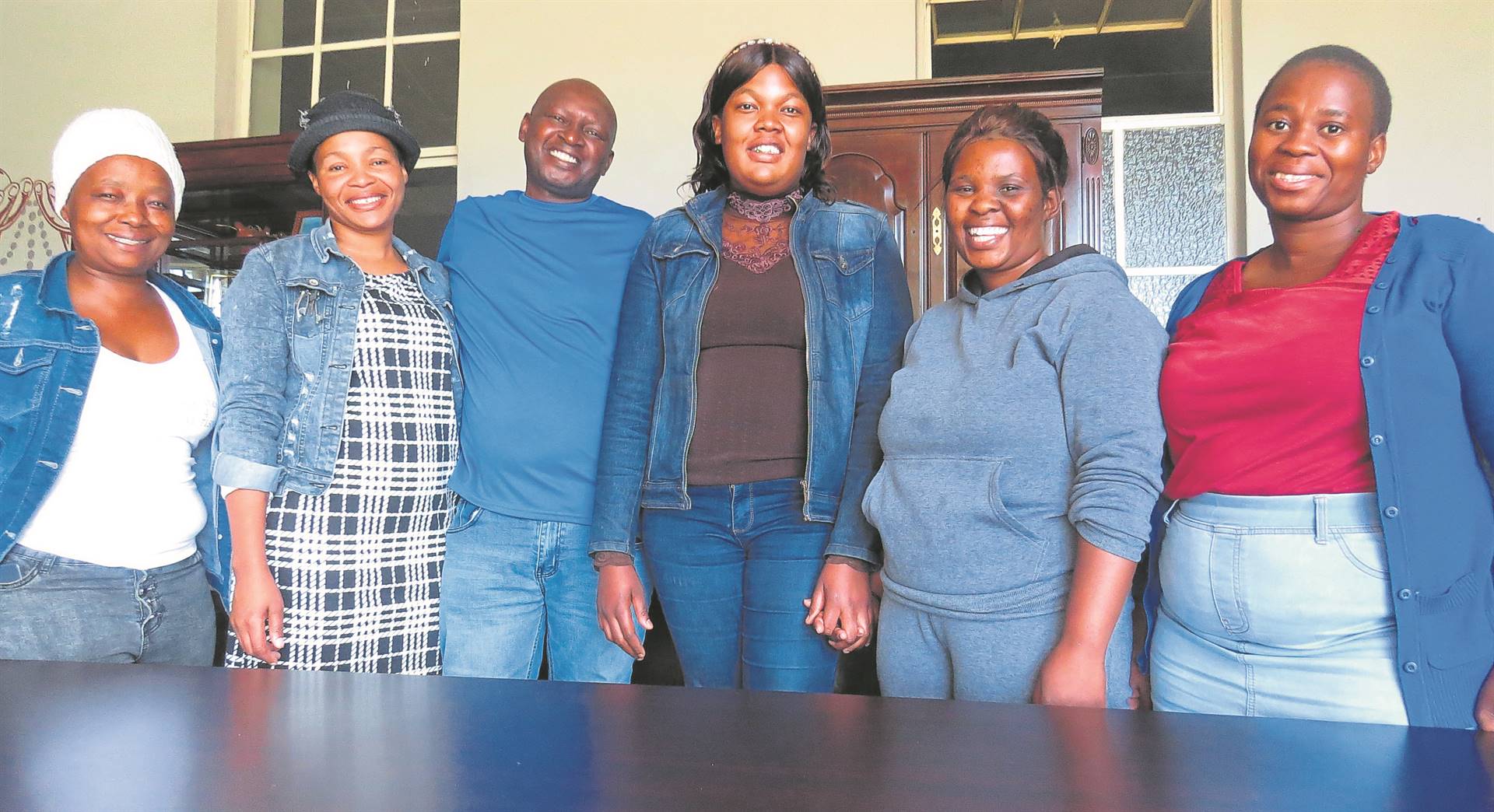
Currently, 32 children are being cared for by a dedicated team of women caregivers, including Choene, depending mainly on state grants. Despite being credited for significant strides in establishing a centre for autistic children and providing care, Choene believes she has not achieved her ultimate goal. More than 30 children from the centre have progressed to established institutions, such as the Pholoho Special School and others in Bloemfontein.
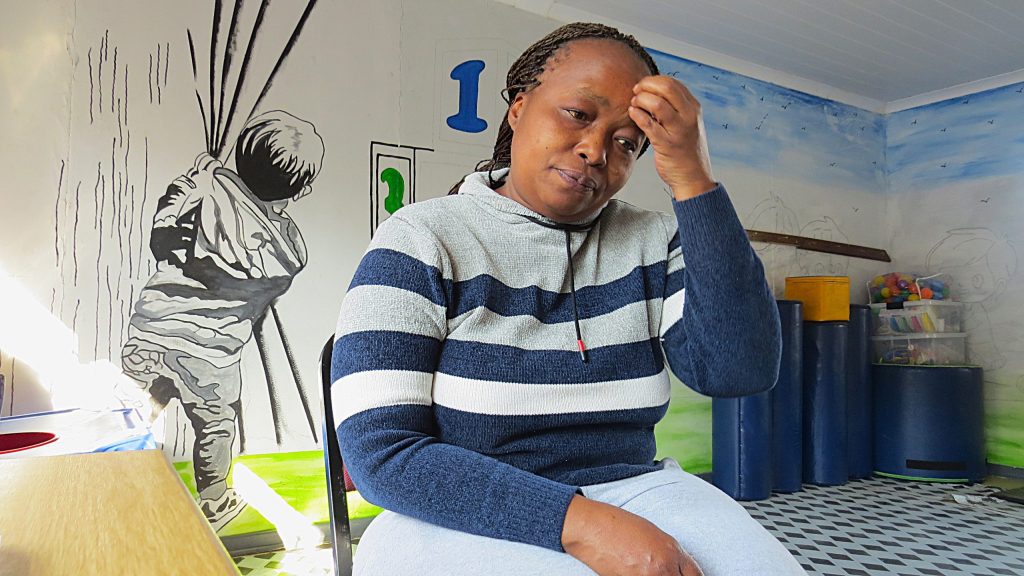
“I am not there yet, reaching what I am dreaming about − establishing a fully-fledged autistic centre where they can offer training according to potential and it must be in the township for these vulnerable children.
“My dream is to have a home for autistic children, a home for neglected children,” said Choene.
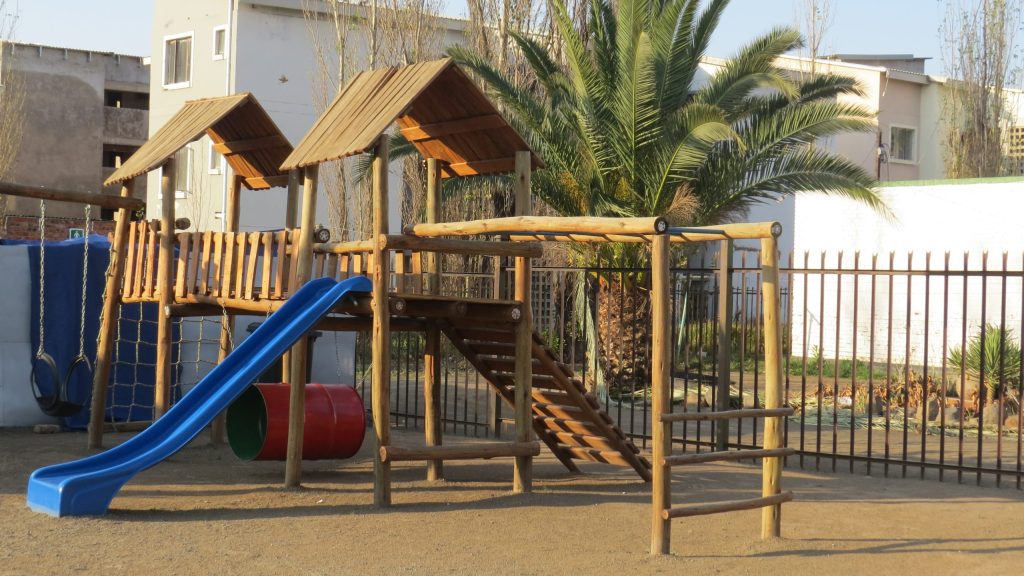
She has transformed the place she currently uses to meet acceptable standards with three classrooms. She has a support staff of mainly women, with two men helping with maintenance. Choene explains that her experience with autistic children keeps her motivated.
“My own child is the driving force, just looking at her and the progress I have seen. She is driving me, wanting to strive to have a centre where they will be looked after and taught basic life skills,” said Choene.
“Once the parent or grandmother passes away, these children are left vulnerable and fundamental care is not provided. The situation worsens, and the upbringing and care of a child is affected. I am thinking about my very own child in the bigger picture. What I am striving to achieve with autistic children in this centre is to teach them basic life skills so they can be self-reliant.
“The basic skills they must be taught include washing and cooking for themselves as well as cleaning.
“I am dreaming about that change in their lives and unlocking their potential,” she said.
Choene highlighted that she wants to break down barriers caused by a lack of understanding about autistic people’s capabilities. “There is still a lot of misunderstanding and misinformation about autism in many societies. This leads to stigma, discrimination and marginalisation. Several communities lack the necessary resources, such as funding for research, education, and support services for individuals with autism and their families.”
Choene said the challenge to raise awareness and provide adequate support for persons with autism is a lack of education. “I remember this woman who came to the centre for meter auditing − she was afraid to stay just two minutes with my child, and that to me clearly indicates a lack of understanding about autistic people. Autistic children grow up like every other person. It is important as a society to want to learn about autistic people.”




You must be logged in to post a comment.