
Anele Siswana
The scourge of gender-based violence (GBV), femicide and child abuse continues to tear through the moral fabric of South Africa. These atrocities are not newspaper headlines; they are daily lived realities. They occur in homes, schools, workplaces, and tragically, within our universities.
In the rural communities and townships, violence against women and children is often hidden behind walls of silence, shame and patriarchy. There, survivors are made to believe that they are the problem; that their pain is their fault; that their suffering is part of life. It is in these very spaces that our collective conscience must awaken.
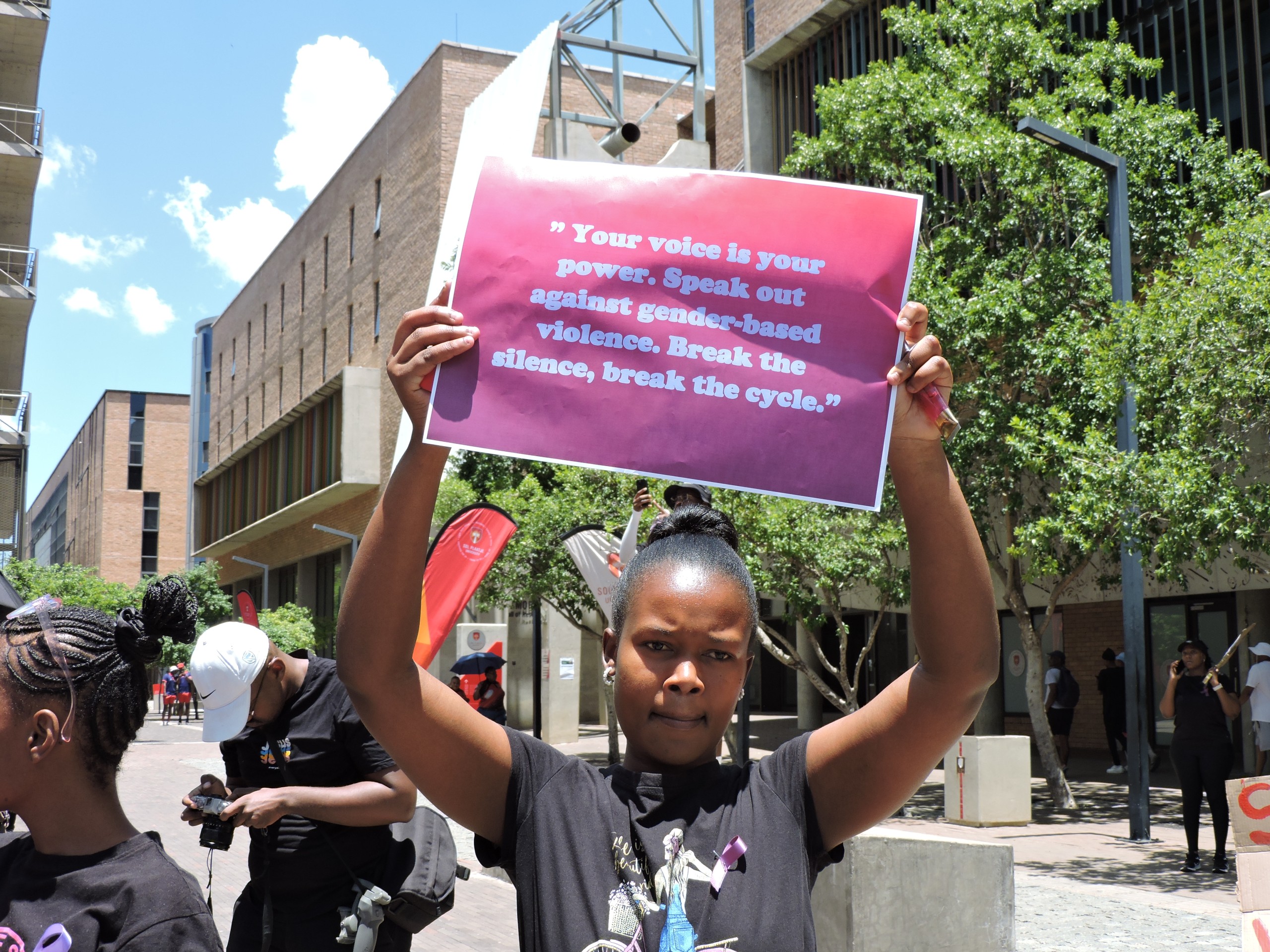
On 21 November, South Africa embarked on National Women’s Shutdown, in solidarity with GBV victims. The non-violent action compels us to pause and ask: how long will we allow the silence to suffocate us? How can institutions of higher learning become sanctuaries for healing rather than spaces of harm?
As a newly appointed lecturer in the Department of Psychology, I have been moved by the University of the Free State’s (UFS) proactive stance in responding to social injustices. Yet, even within our walls, the question remains: how do we transform commitment into concrete protection, advocacy and care for the most vulnerable among us?
The data continues to confront us. A national survey by the Human Sciences Research Council found that 33.1% of South African women – over seven million – have experienced physical violence. Nearly 10%, or about two million women, have survived sexual assault. According to the South African Medical Research Council, seven women are murdered every day, most by intimate partners.
In higher education, the statistics are equally distressing: between 20% and 25% of female students report sexual violence every year. They are students in our classes, colleagues in our offices, and children in our communities. They are the invisible and unheard, the ones who think they are the problem because society tells them so.
Abuse remains under-reported because systems of care are fragile. Police stations are far, counselling services scarce. Women fear stigma, disbelief, and retaliation. The cycle of patriarchy and poverty sustains the violence and the silence. Our solutions must reach rural areas and townships where pain sits quietly in the corner, unspoken.
The fight against GBV is not a women’s issue; it is a human issue, one that implicates us all.
Healing, in the African sense, is never isolated to the individual; it is communal, spiritual, and relational. Our interventions against GBV and trauma must therefore go beyond psychology and policy. They must reach into the psyche and spirit of our people. They must recognise that trauma is not only physical or emotional, but also spiritual and historical. It echoes through generations, shaped by colonial violence, patriarchy and inequality.
Our protest, then, is not only resistance; it is also remembrance and restoration. It is an act of reclaiming the humanity that violence tries to erase. Healing must be understood as holistic, embracing body, mind, culture, and spirit. Our approach to GBV must draw equally from Ubuntu, feminist thought, trauma research, and African spirituality.
To invoke Ubuntu is to affirm that “I am because we are.” It is a reminder that when one student or staff member is violated, the entire university community is wounded. When one child in a rural village is silenced, our shared humanity is diminished.
Lecturers, support staff and administrators must be trained in trauma-sensitive response. Perpetrators must be held accountable, regardless of position.
But transformation cannot end at policy. It must live in our lecture halls, residence corridors, and conversations. It must become part of our pedagogy, our way of teaching and relating to one another. Healing must be as intentional as learning.
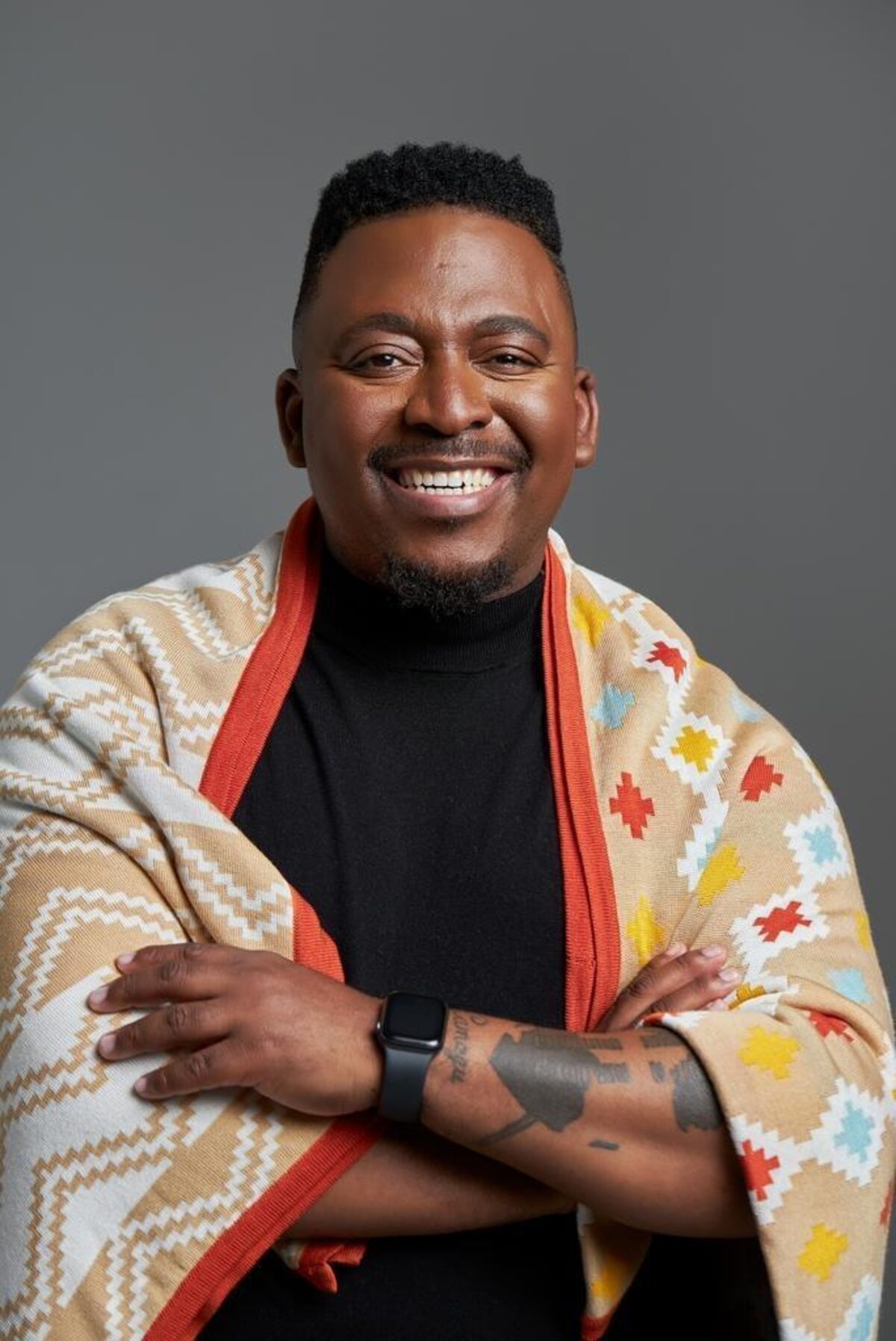
■ Siswana is a clinical psychologist and lecturer at the University of the Free State.