
Teboho Setena
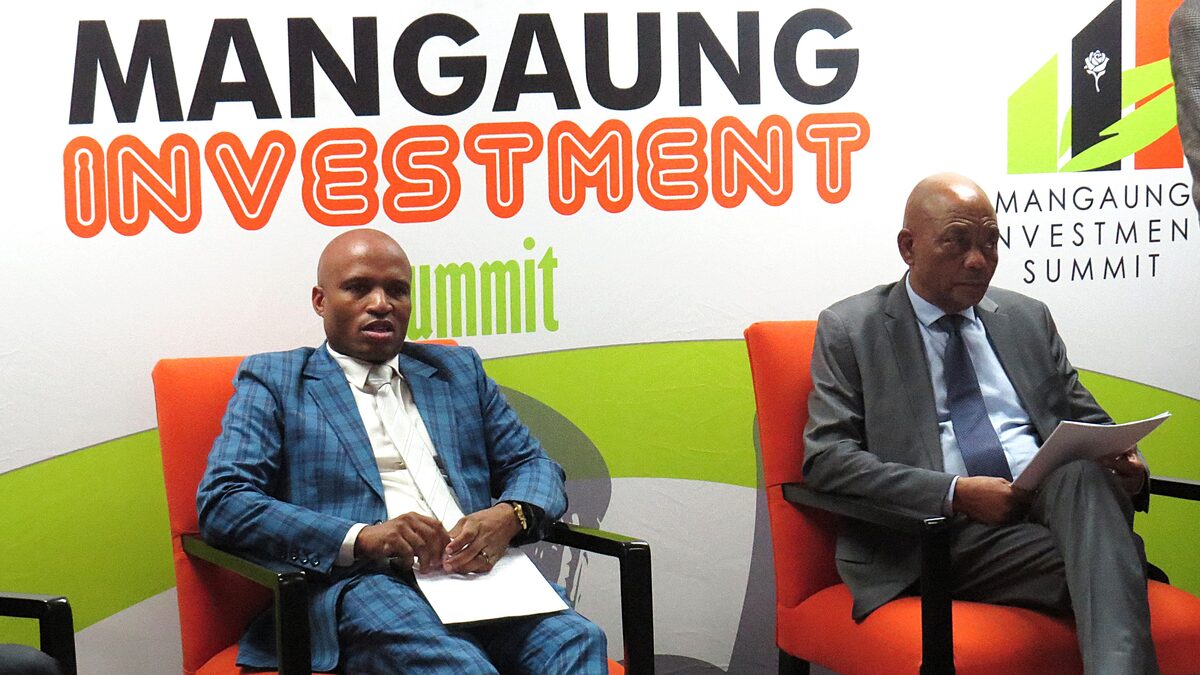
The Mangaung Metro Municipality’s (MMM) executive mayor, Gregory Nthatisi, has blamed the prolonged fiasco of the municipality on the power struggle by opposition political parties and individuals aspiring to govern it.
He was briefing the media on Friday, 9 May, on the sidelines of the Auditor-General South Africa (AGSA), report for 2022-’23 – painting a bleak future on the municipality’s possible recovery from junk status.
The report presented to parliament revealed the dismal failure to implement the Financial Recovery Plan’s four key aspects – governance, institutional stability, finance, and basic service delivery – for the period in question.
“It should, however, be noted that the material irregularities and findings by the Auditor-General should be understood to be retrospective to the period 2022-’23 and 2023-’24. The period relating to the AG report as presented to parliament, was characterised by parties and individuals scrambling for the control of the municipality,” said Nthatisi, who was elected to office during October 2023.
The metro collapsed under ANC governance before a brief coalition with the DA. This term of coalition was preceded by the downgrading of the metro to junk status by the credit rating agency Moody’s, owing to a combination of financial mismanagement, governance flaws and internal political infighting. It was further impacted by mainly ANC factions dragging each other to court.
According to the AG report, remedial measures to revive the bankrupt metro appear futile.
The AG highlighted persistent issues, including poor planning, infrastructure delays and weak financial management. The report revealed the metro’s authority was hamstrung by its inability to manage finances and take accountability, as well as a lack of proper oversight and ill-discipline.
“Within a period of two years we had a serious issue of instability in the number of acting city managers.”
Nthatisi also blamed the instability of the metro on the absence of senior managers, heads of departments and middle managers.
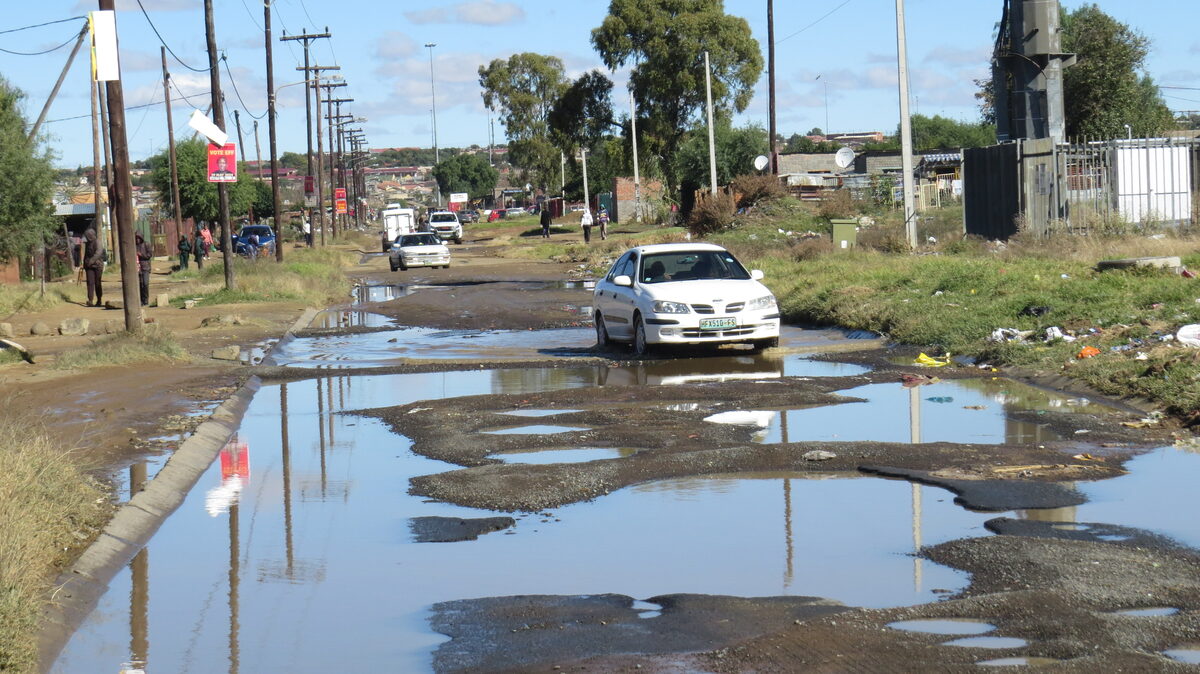
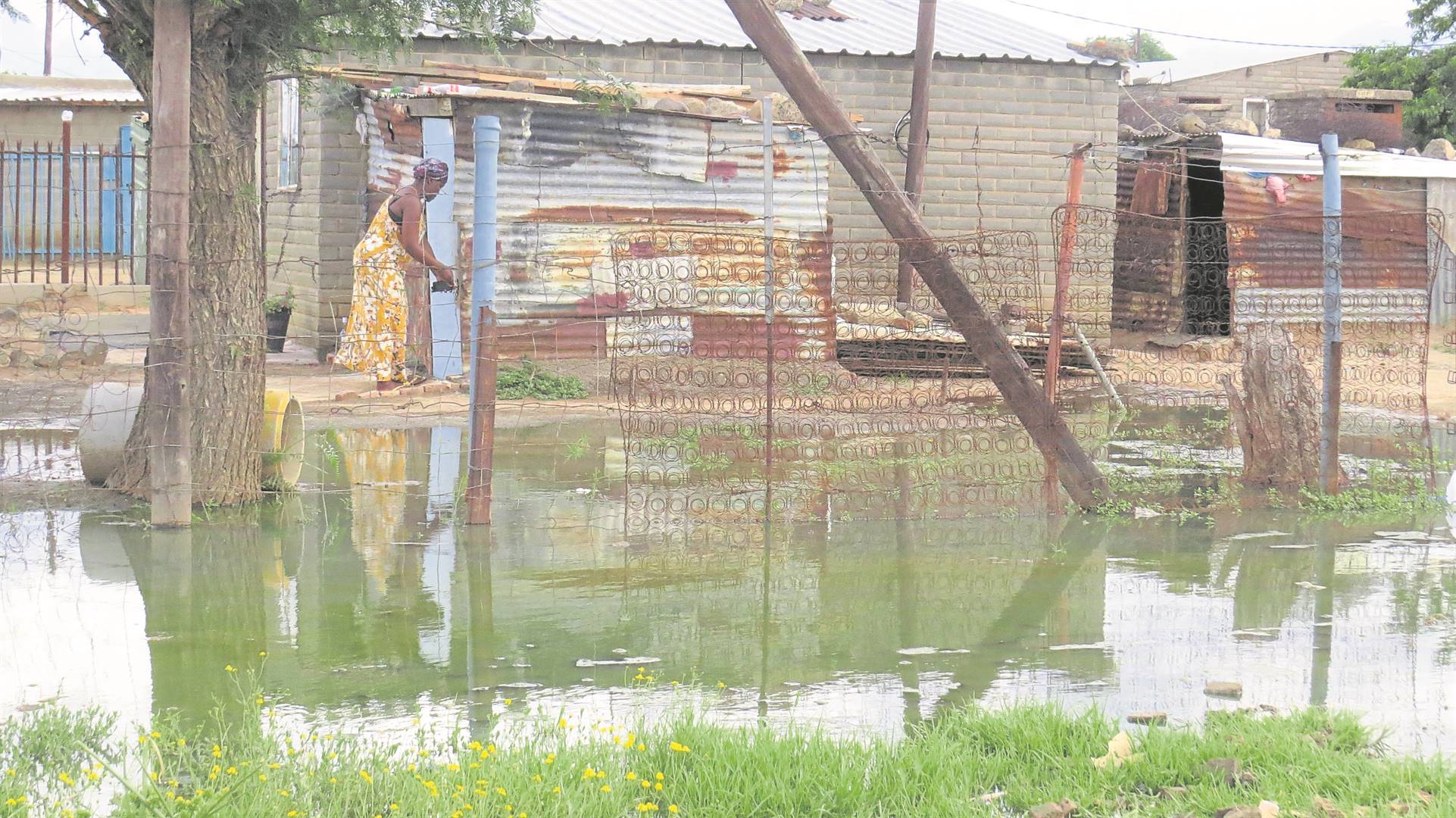
According to Nthatisi, the present leadership’s strides in stabilising the affairs of the metro should be marked by the decrease in persistent service delivery protests by communities within the metro. He has recommitted the metro to focus on service delivery by stabilising its water supply, sanitation, and dealing with the metro’s decaying road infrastructure.
The AG highlighted the continued rooted culture of wasteful expenditure and lack of firm remedial action within the metro.
Evidence thereof includes R278 million in irregular expenditure, R123 million in wasteful expenditure, and poor financial planning. Capital expenditure was inadequate, with only 2% allocated for maintenance – far below the recommended 8%.
Additional ongoing concerns include the metro defaulting on its R922 million debt owed to the Vaal Central Water (VCW) board and clean water losses, irregular expenditure that stood at R277 million, and poor financial planning and performance made evident through a budget of R6 billion of which only R792 million was allocated to capital expenditure.
The findings of financial mismanagement pertained to the municipality’s failure to obtain quotations for some transactions, amounting to R3 million, expenditure amounting to R123 million – with the largest contributors being interest paid to suppliers, overpayments and payments for construction standing time.