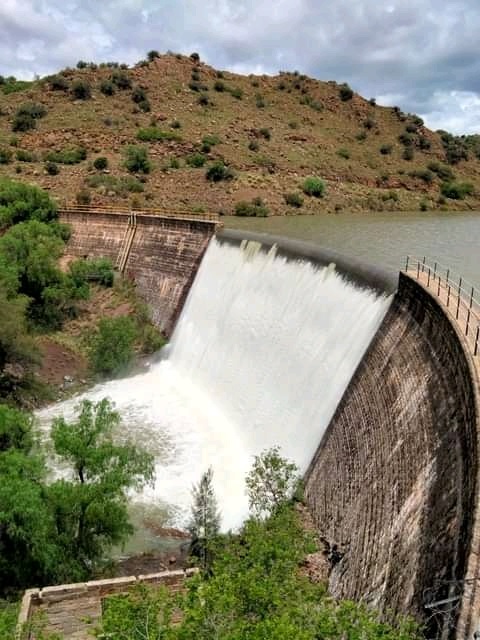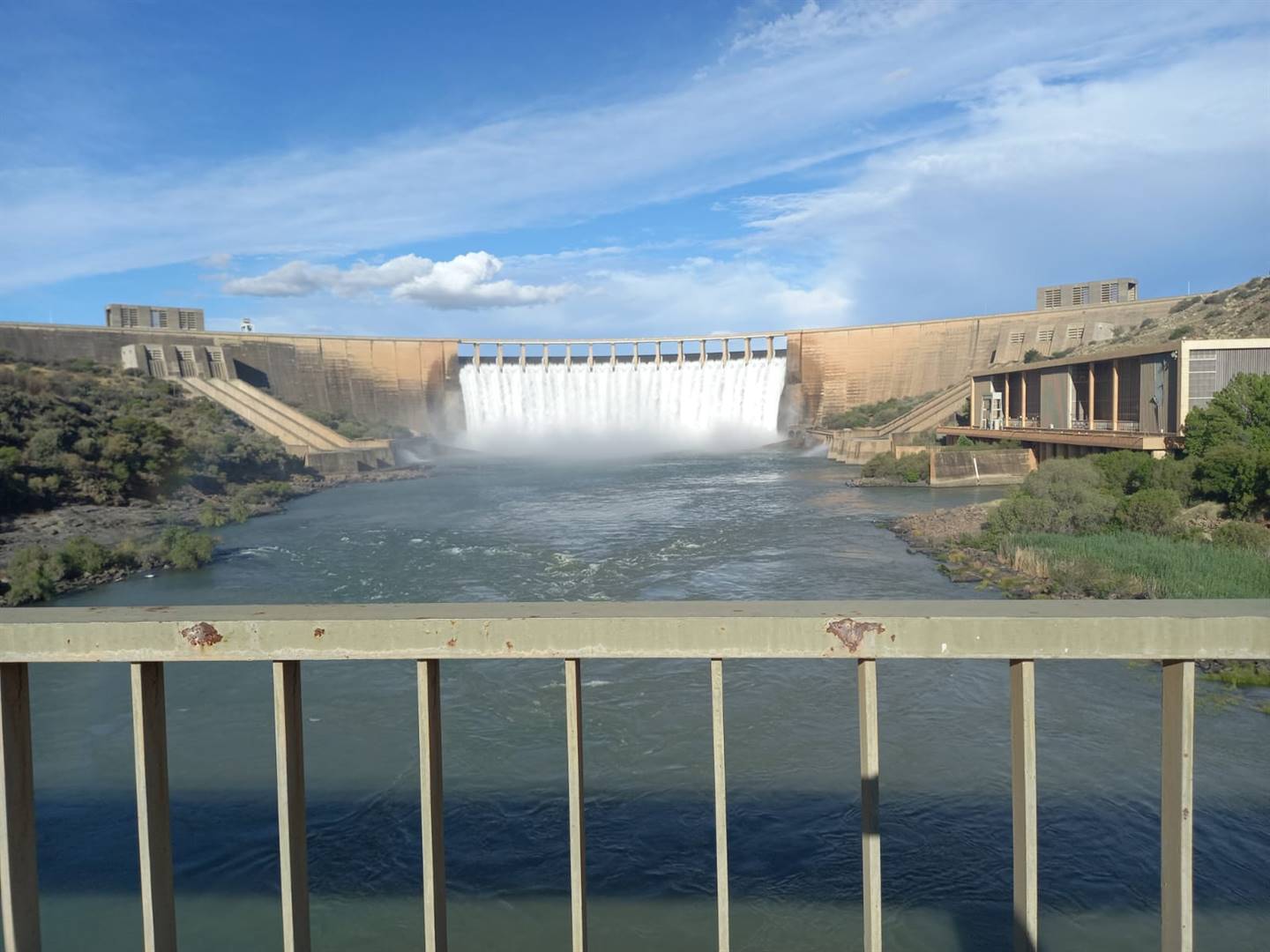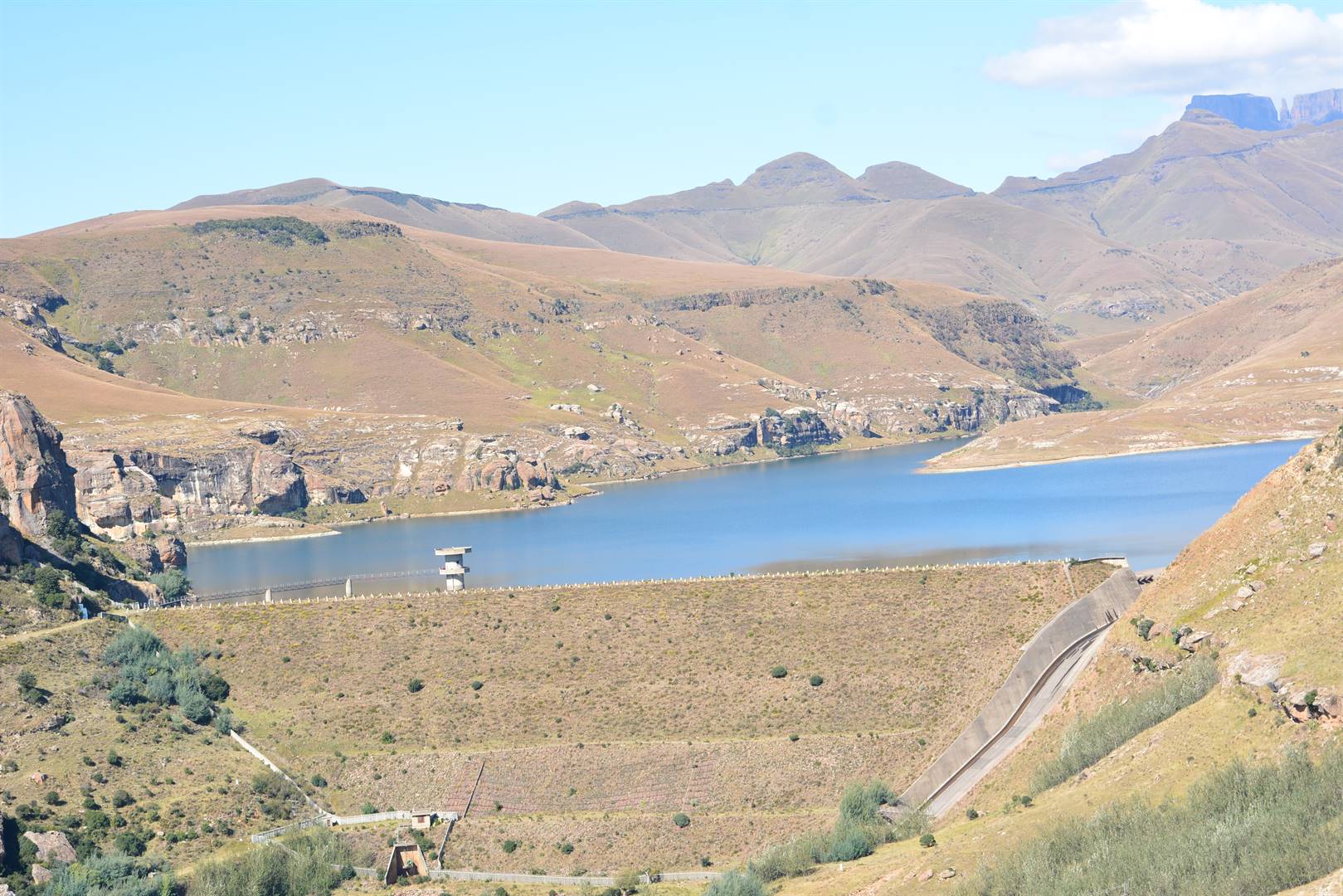

Large water reservoir dams in the Free State of which the water is used for human consumption, irrigation, as well as industrial purposes, remain at their peak capacity.
Despite a marginal decline, most of these dams are still hovering above the 100% capacity mark.The healthy state of the reservoir dams in the province are the result of persistent rainfall that continued during the festive season.
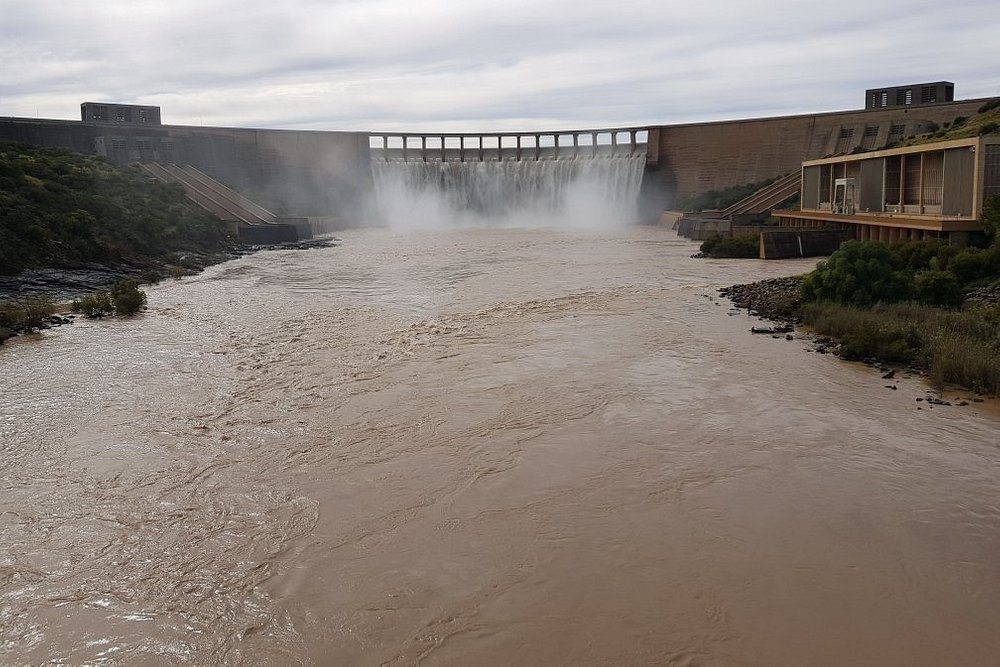
Following the heavy rainfall, several larger dams across the country were seen overflowing and numerous flood incidents were reported in select parts of the country as well.
The dams improved from the 80% capacity mark recorded at the beginning of the festive season.
According to the Department of Water and Sanitation’s weekly report, the Free State’s water capacity is at the 101,5% mark.
The levels of two dams supplying water to the greater regions of Qwaqwa, the Metsi-Matsho and Fika-Patso, have improved significantly to 106,1% and 100% capacity (from 69,4% and 79,1%), respectively.
The collective level of water storage dams in the province remained stable throughout this just-ended year of 2022 – thanks to the large dams hovering at 99,6% water capacity.
For various safety reasons, the department was left with no alternative than to release water from selective dams.
The Welbedacht Dam levels dropped to 95.1% from 126,9% capacity, the Kalkfontein Dam’s levels decreased to 103% from 115,9%, the Krugersdrift Dam is sitting at 103,9% from 111,7%, Allemanskraal is at 102.6% from 113,3%, the Gariep Dam measures 99,5% from 112,1%, and the Bloemhof Dam is sitting at 102,3% from 110,7%.
The Vanderkloof Dam, the second largest dam in South Africa, has been recorded to be at 103,8% capacity, the Vaal Dam is sitting at 102,4%, while the Erfenis Dam capacity has decreased from its previously recorded level of 109% to its current reading of 102%.
The Tierpoort Dam, mainly utilised to supply irrigation for agriculture through a canal system, is sitting at 100,5% capacity after a slight decrease from 113,8%.