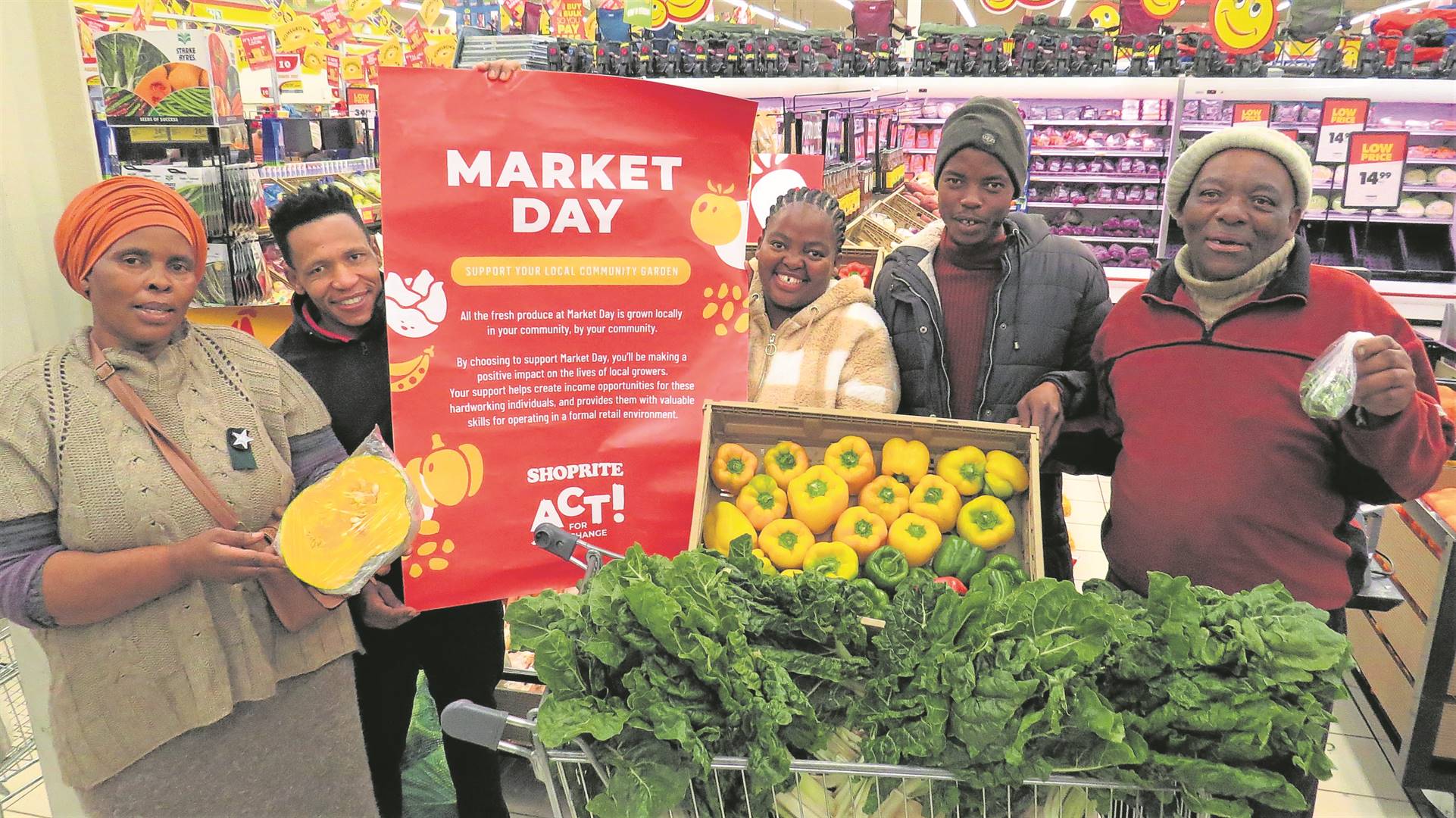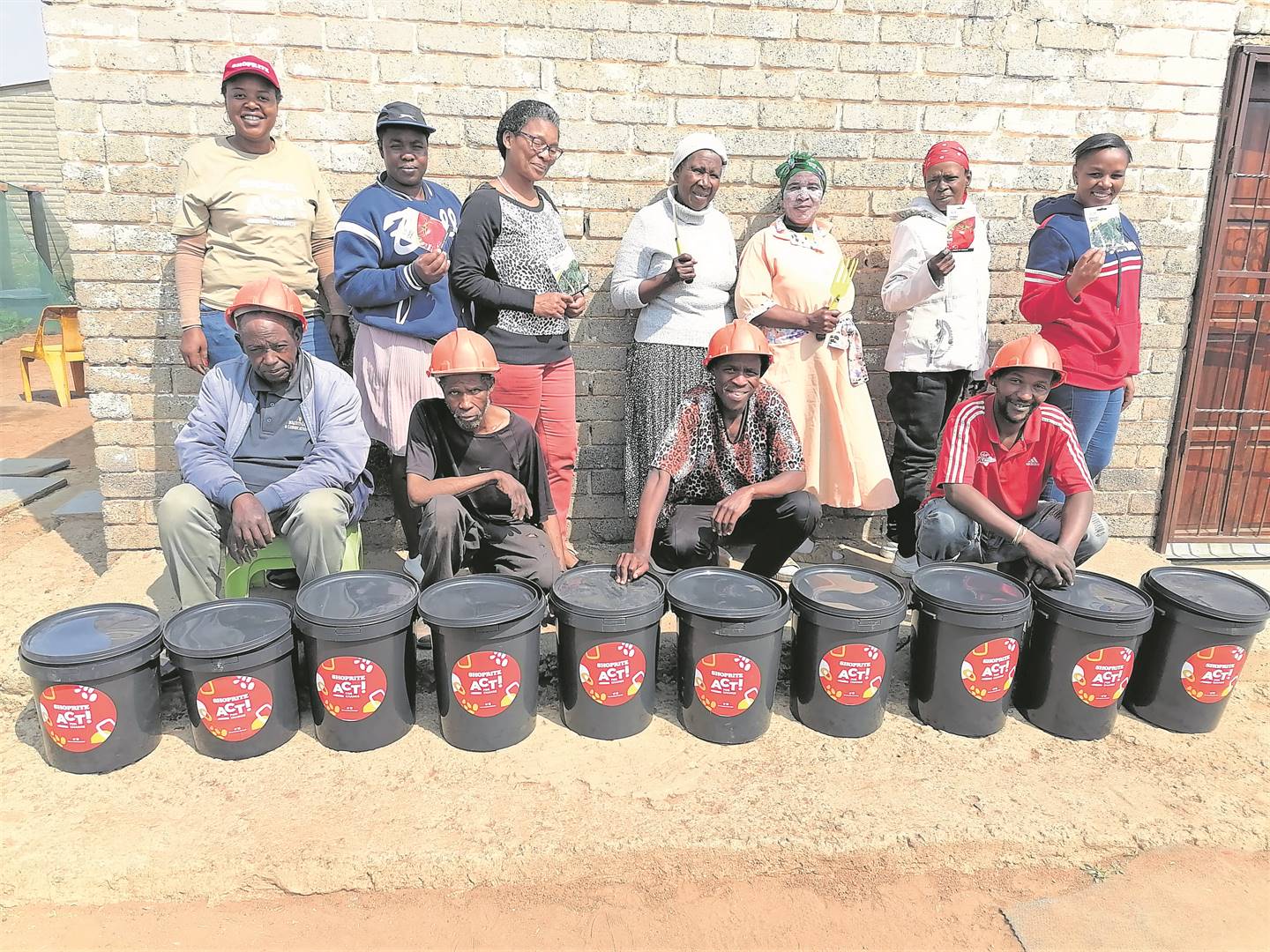

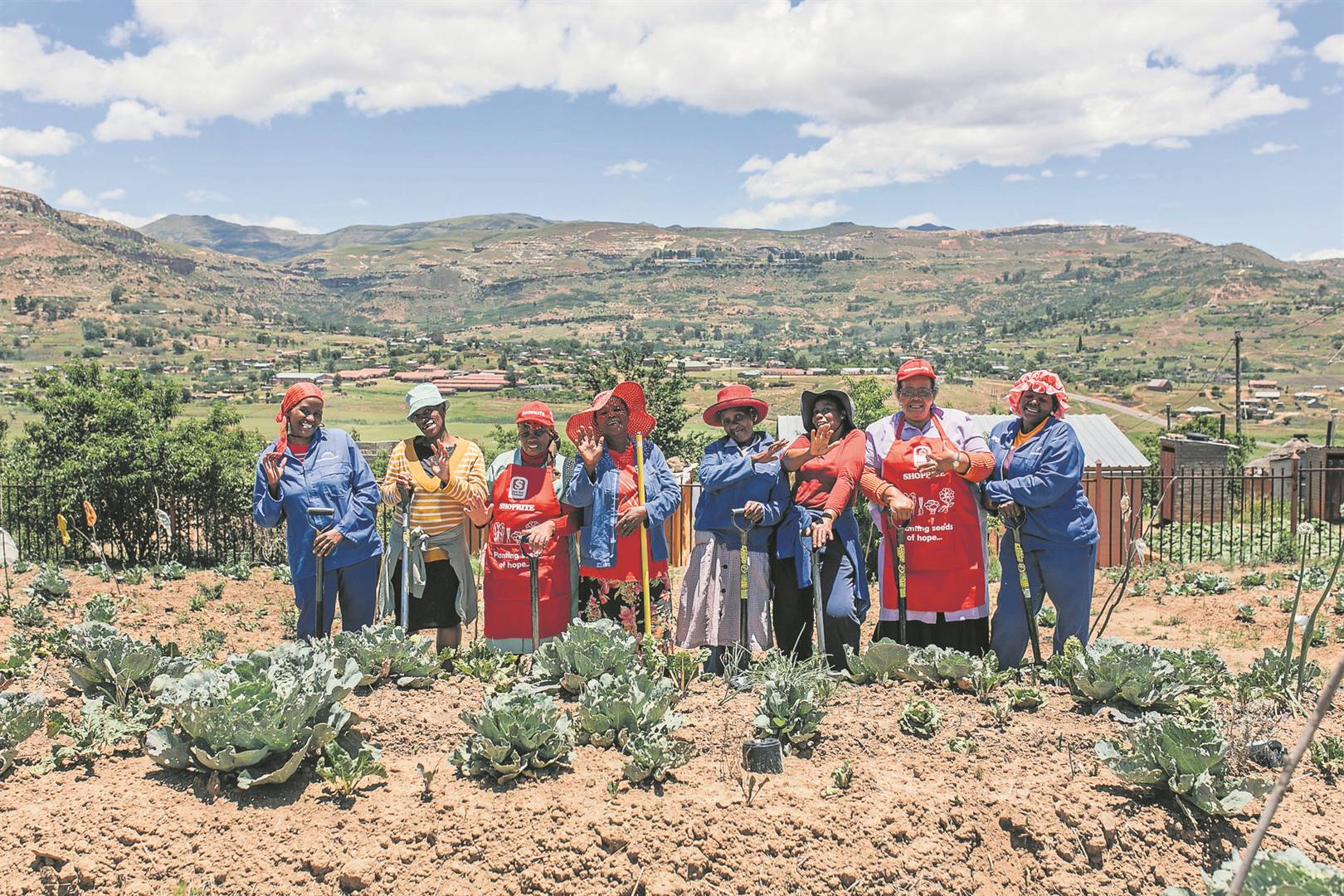
Members of four thriving community food gardener projects in the Free State are on the verge of reaping the rewards of their dedicated labour.
They will have the opportunity to sell their fresh produce directly to the public at selected Shoprite and Checkers supermarkets.
This initiative forms part of the retail group’s market day, which is aimed at empowering gardeners to sell produce from their small-scale gardens and encourage a food security programme.
Of the four garden projects, one is of the Bloemfontein-based Dikonyana Community Based Care Centre in Heidedal.
The others are the Ntsoanatsatsi Community Garden and Qholaqhwe Garden Project from Qwaqwa, and the Free State Rural Women Assembly Agroecological Hub from Botshabelo. “By improving food security in the communities that we are a part of, we are almost making these communities more adaptive and resilient to a changing climate,” said Raghubir.
Community food gardens will sell their fresh harvest at the following retail group branches in the province: Shoprite Heidedal, Bloemfontein; Shoprite Botshabelo Mall, Setsing; and Shoprite Mandela Park in Phuthaditjhaba.
These Free State-based fresh and organically grown produce projects are part of the 35 community food gardens to sell directly to the public.
The market day initiative was first introduced in 2017 to extend support to the several small-scale food gardens that Shoprite and Checkers partner with.
Fresh and organic produce, such as spinach, green peppers, tomatoes, cabbage, lettuce, and green beans will be made available.
Sanjeev Raghubir, sustainability manager at the Shoprite group, said market day continues the retailer group’s commitment to ensuring food security in communities.
“The group supports more than 200 community food gardens and over 3 500 home gardens, which impacts almost 55 000 beneficiaries.
“For the first time since Market Day’s inception in 2017, community food gardens in Lesotho will also be selling their produce directly to the public. We are excited that Market Day keeps expanding and that we continue to support community food gardens to create sustainable livelihood opportunities in more ways,” said Raghubir.
He said that in the past year, more than 2 700 community members have been trained in sustainable food gardening, and that the community food gardens have collectively produced a harvest of more than 31 500 kg, providing almost 100 000 meals.