
Large reservoirs in the Free State remain at their peak capacity despite a marginal decline in water levels.
A recent report of the Department of Water and Sanitation (DWS) indicated that the overall provincial water storage was at 95,5%, after decreasing from 97,3%.
By the same time last year the province’s overall level was at 98,4%, This was attributed to good rainfall.
The latest report showed that major dams in the province were above the 90% capacity mark.
The current healthy state of dams is envisaged to see consumers through the spring and summer – depending on usage by consumers and preservation methods employed by municipalities, some of which are financially indebted to the DWS.
The debt for bulk water supply exceeds R500 million. It continues to increase, owing to the dismal failure by the bankrupt municipalities in the province to pay.
The Bloemfontein water supply system, with four dams supplying water to the Mangaung Metro Municipality and surrounding areas, is hovering at 95,3% capacity.
The level of the Rustfontein Dam in the same system is at about 91,6%, after a decrease from 94,4%. Welbedacht Dam is at 98,3%, while Knellpoort Dam is at 99,6% capacity.
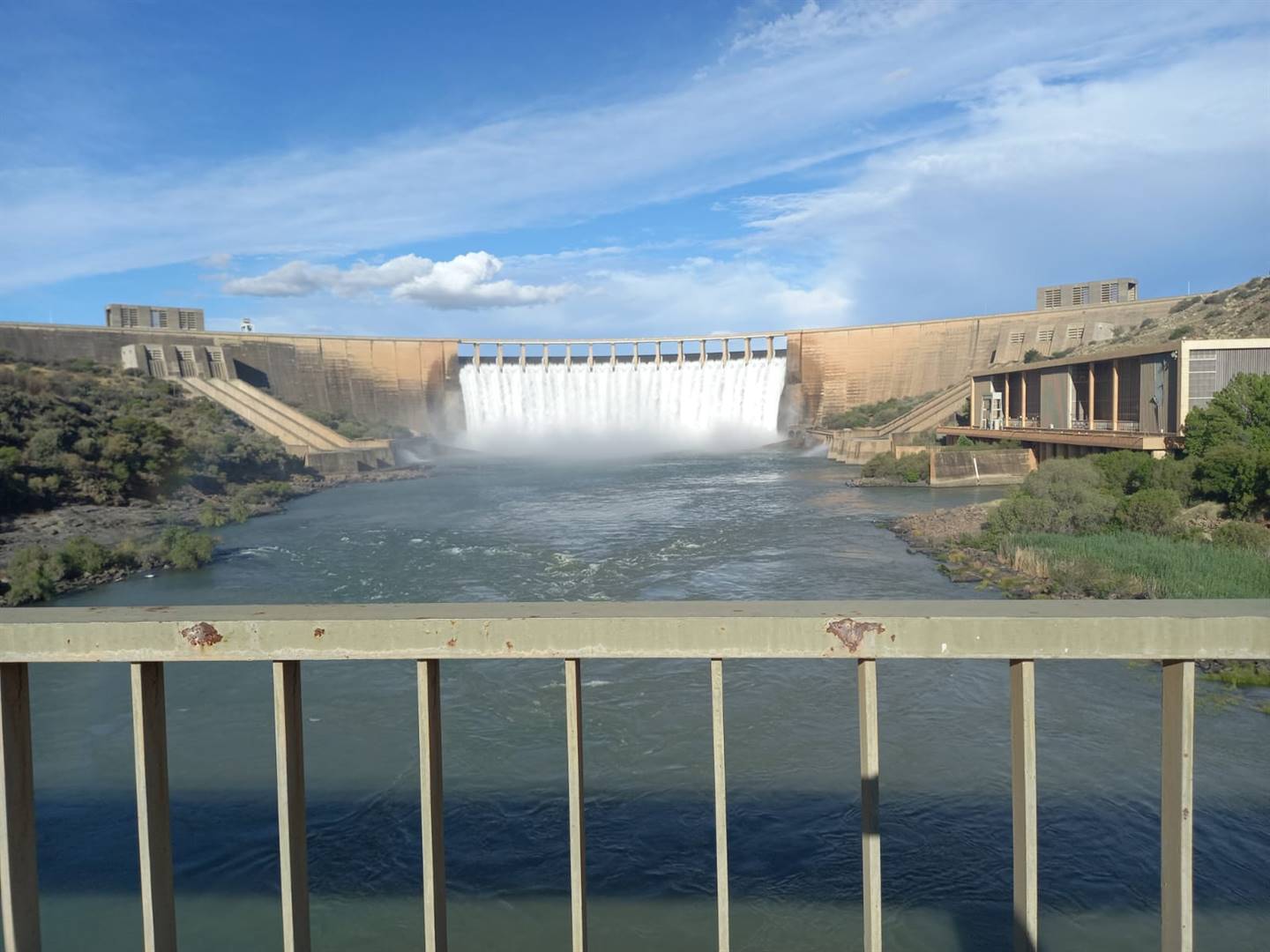
The Sterkfontein Dam, the reserve dam, was at 100,5%, followed by the Bloemhof Dam at 102,2%. Other major dams are: Allemanskraal at 94,5%, Erfenis at 95,5%, Krugersdrift at 100,8%, Groothoek in Thaba Nchu at 92,2%, Gariep at 93,5% and Koppies at 94,5%.
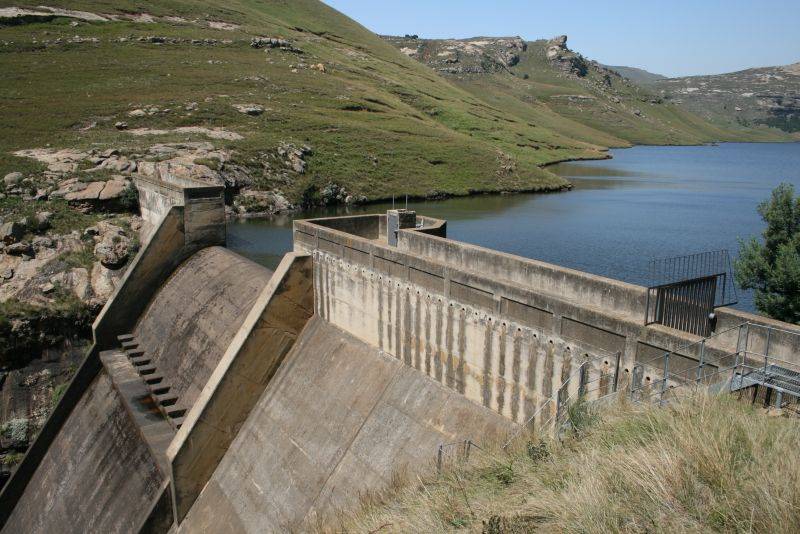
The levels of the two dams supplying the greater Qwaqwa region have decreased significantly. Currently Metsi Matso is at 81,0% and Fika Patso is at is 74,3%.
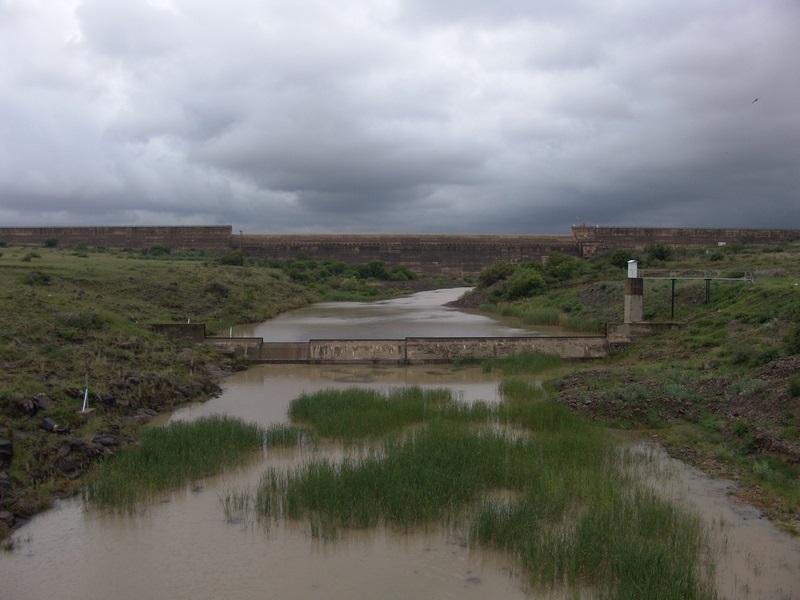
The Tierpoort Dam, from which the water is mainly employed for agriculture irrigation, was recently at 99,4%.