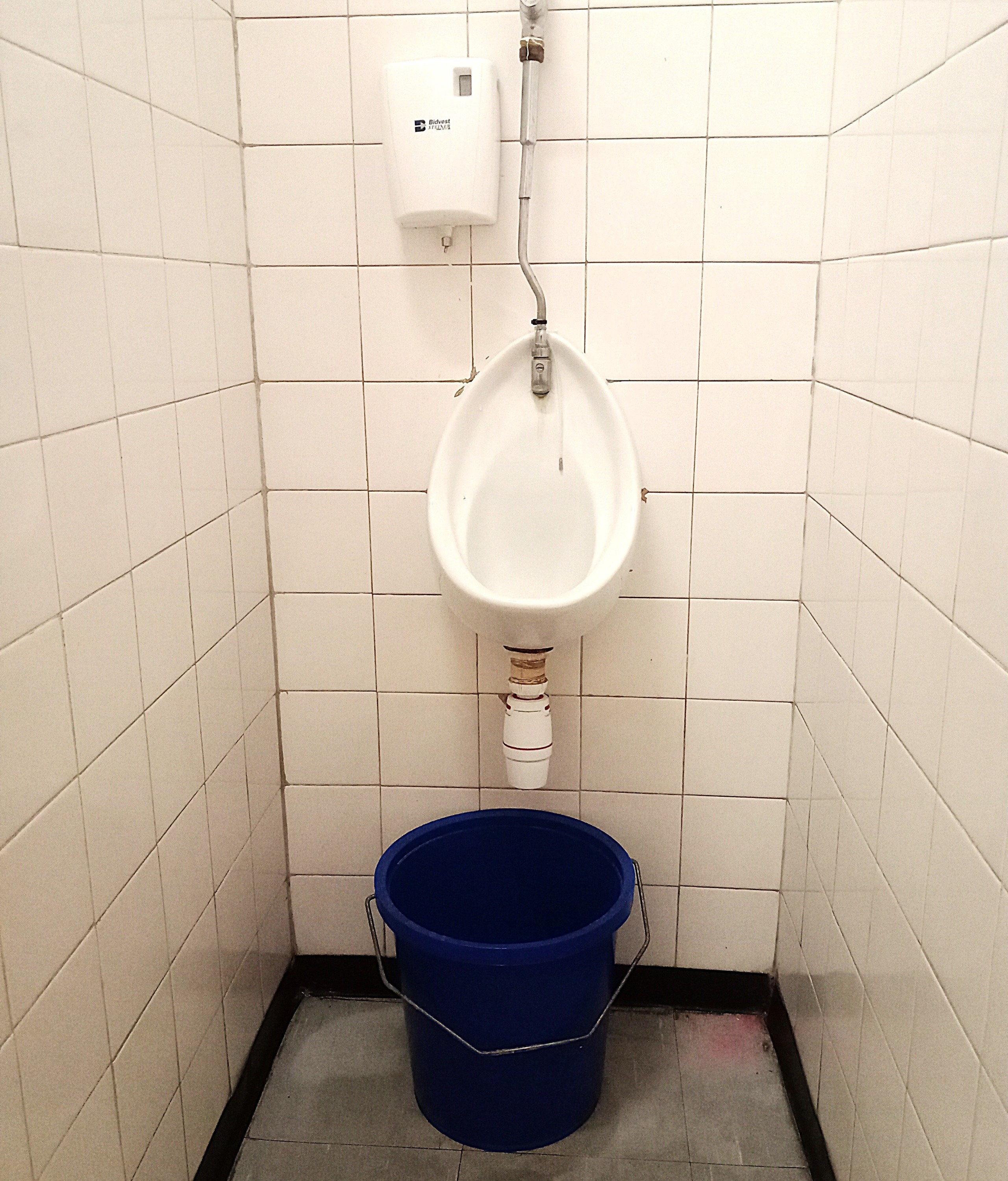

The several pit toilets that Botshabelo inhabitants still use post-democracy are a stark reminder of regression under the present government.
Furthermore, they are evidence of the dismal failure by government to replace pit and bucket toilets with proper sanitation. Despite budget allocations and deadlines extented several times to complete the eradication of bucket and pit toilets, the government has failed to deliver.
The dehumanising pit toilet situation is part of the bad legacy of the apartheid regime.
Established in 1979 as part of the regime’s grand plan of racial segregation, the Botshabelo town was an extension of the Bantustan homeland system linked to Phuthaditjhaba, administered by the Qwaqwa government as a semi-independent state for Sotho-speaking people.
Each time one finds the time to go home and spend time with siblings and childhood friends, as well as neighbours of yesteryear, the eyesore of several unhygienic pit-latrines blight one’s eyes, and one inhales the bad odour from these inhumane toilets.
Since its establishment, the township of Botshabelo has experienced different forms of barbaric human waste removal arrangements, which include privies – long drop pit toilets.
These include so-called VIP toilets, for which, ironically, a tender was given to a company owned by comrades to construct those toilets.
These VIP toilets came nowhere close to restoring the dignity of the people, but rather a condemnation to perpetual humiliation and disgrace.
All these types succeeded in was to diminish the dignity of the residents of this town, and expose both human beings and the environment to untold harmful and hazardous germs.
While these kinds of toilets are found almost everywhere at informal settlements in and around the Mangaung Metro Municipality (MMM), the truth is that Botshabelo is the epicentre of this crisis.
The sooner the authorities of the Mangaung Metro realise that this situation is a total human catastrophe, the better.
Pit toilets are spread across every household on the 15 900 stands in Botshabelo, and at the about 32 000 residents of S Section.
Flush toilets have since been installed in certain sections, but most of the residents still face the indignity of staying for years with human faeces in their yards due to continual raw sewage spillages.
We have witnessed Mangaung been led in the mayoral or speaker positions by individuals from Botshabelo in this chronological order: Zongezile Zumane (speaker, 2000 to 2005), Mahlomola Ralebese (speaker, 2005 to 2011), Getrude Mothupi (speaker, 2011 to 2016), and Zolile Mangcotywa (council chief whip, 2016 to 2021).
The current three incumbents, namely Vumile Nikelo, Bongani Mathae and Gregory Nthatisi (mayor), have their roots, siblings, relatives in Botshabelo.
Can these comrades do something better than what their predecessors have about eradicating the dehumanising pit toilets in Botshabelo and everywhere else they have the power to do so?
If they cannot, they must hang their heads in shame and resign.
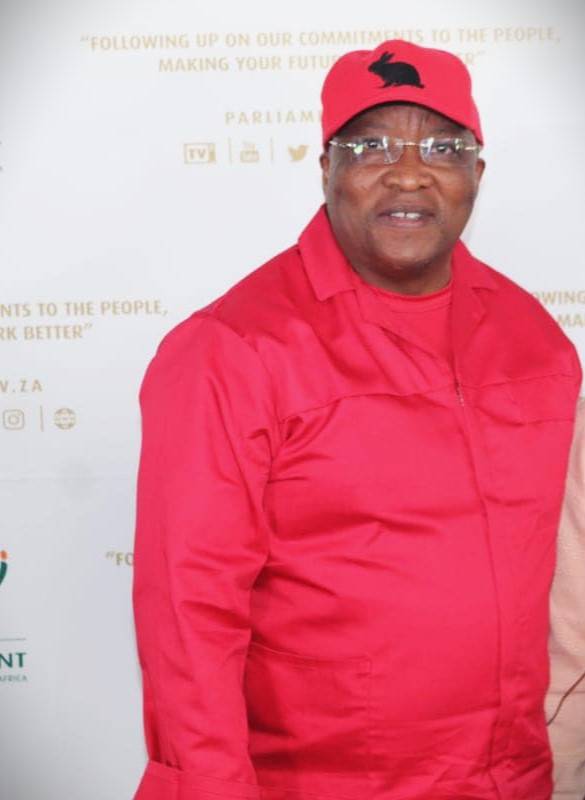
- Sam Matiase is an EFF member of parliament in the National Assembly.
Writers interested in having their thoughts or opinion pieces published, at no cost to themselves (for free), in BloemExpress, are welcome to submit their writings via email to teboho.setena@media24.com, to be considered for publication. Opinion pieces must not exceed 500 words, and must also be accompanied by a useable, high-quality photo.