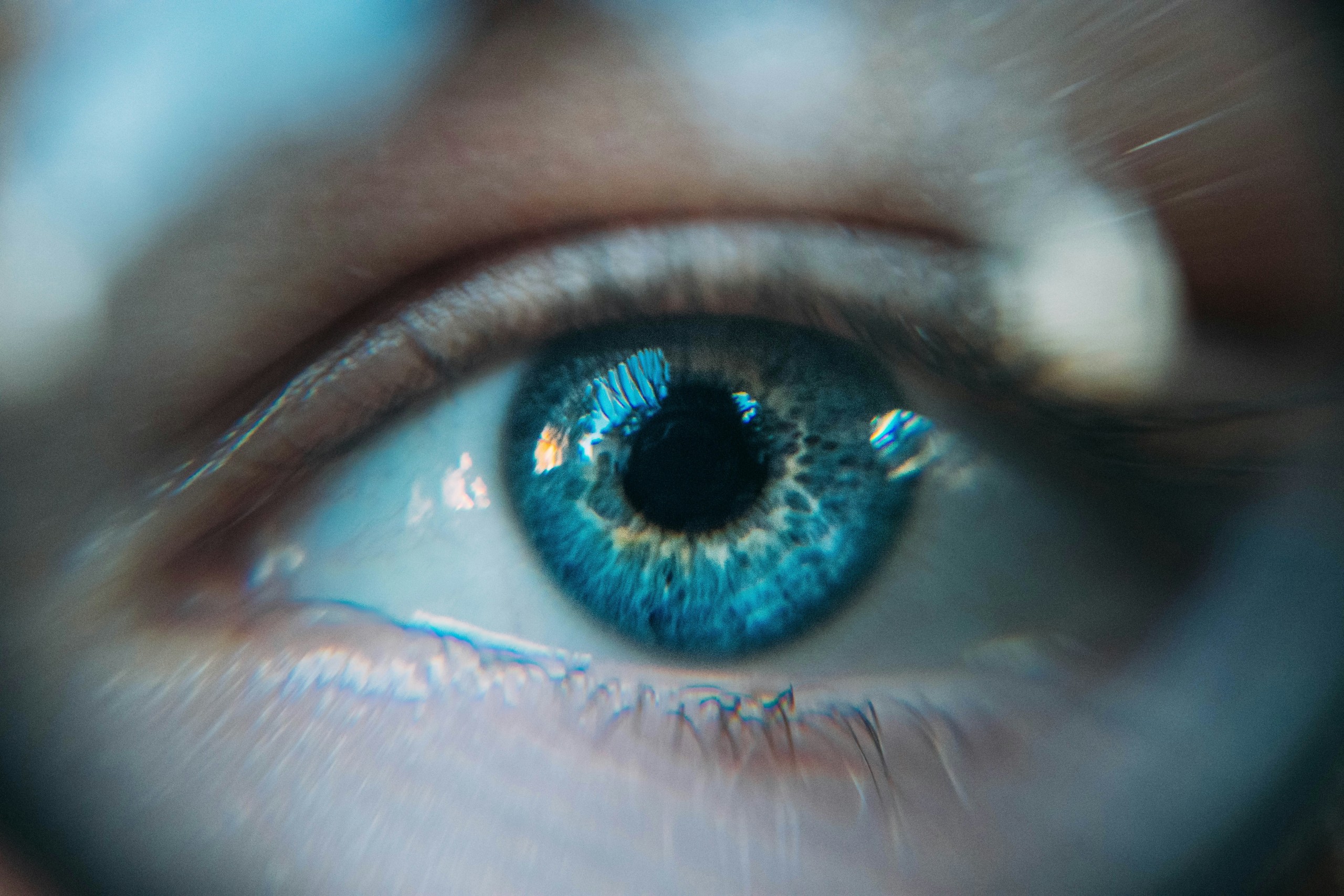


The public is encouraged to have routine eye screening to avoid glaucoma, which reportedly is the second most common cause of blindness worldwide.
Overall, the prevalence of glaucoma in South Africa is reported to be 4,5%.
It is said to be prevalent between 4,5 and 5,3% among black South Africans, and the lack of routine checking is blamed for this.
The World Glaucoma Association and the World Glaucoma Patient Association, reported that globally, it is estimated that 4,5 million persons become blind due to glaucoma1 – and that this number rose to 11,2 million by 2020.
Glaucoma is a set of eye diseases that cause damage to the optic nerve, usually due to excessive eye pressure.
Murray Hewlett, chief executive officer of Affinity Health, believes people often take for granted the significance of healthy eyes, which is importance of maintaining a good vision.
“Conditions like glaucoma can silently creep up on us, leading to irreversible damage if left unchecked. Sadly, when symptoms appear, the damage is usually irreparable,” he said.
Hewlett explained glaucoma is curable with detection and treatment thereof, and that early detection through routine screening helps discover symptoms.
“While glaucoma can’t be cured, early detection and treatment can significantly slow its progression and reduce the risk of advanced complications.
“Depending on the severity of the problem, treatment options might include prescription eye drops, oral medicines, laser therapy, or surgery. Beyond medical interventions, adopting a healthy lifestyle also plays a role in managing glaucoma. Maintaining a balanced diet, exercising regularly, avoiding smoking, and protecting your eyes from injury can all contribute to overall eye health.
“Remember, your eyesight is precious, and early detection of glaucoma can prevent irreversible damage,” said Hewlett.
Hewlett explained that the first stage of glaucoma often began with elevated eye pressure, also known as intraocular pressure (IOP).
“However, not everyone with elevated IOP develops glaucoma, and conversely, some people with normal IOP can still develop the condition.
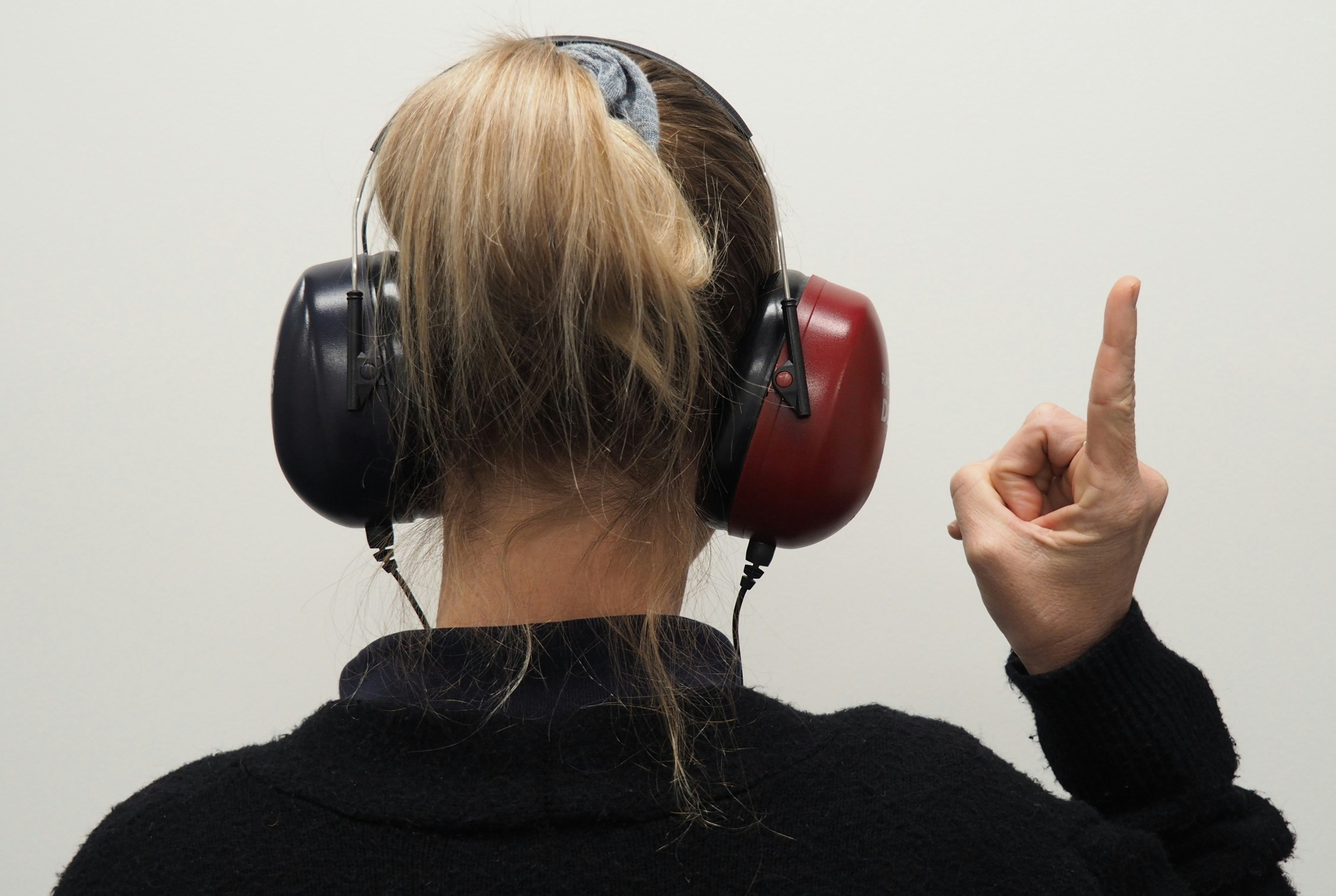
“This makes regular eye exams crucial for early detection. During these examinations, your eye care specialist will check your eye pressure, inspect your optic nerve, test your peripheral vision, and measure the thickness of your cornea. These tests identify glaucoma in its early stages, allowing therapy to avoid future visual loss.”
Hewlett has strongly encouraged people to continue adhering to treatment that can help prevent further vision loss and end-stage glaucoma.
“End-stage glaucoma represents the most severe form of the disease, where peripheral vision is almost completely lost, leaving only a tiny central area of vision. At this stage, individuals may be considered legally blind. While treatment can not reverse existing damage, it can help manage symptoms and prevent further deterioration,” said Hewlett.