

It has been 30 years since South Africa’s first democratic election, when the nation was faced with much hope and aspirations.
Three decades later, we are still confronted with a colossal socio-economic challenge in creating an environment that reflects youth progress and development on a large and sustainable scale.
The current challenges faced by the youth may seem overwhelming, but now is the best time to mobilise for positive change. Prompt and impactful action is required to prevent these adversities from worsening.
How do we tackle the issues? It is crucial for government agendas to prioritise youth progressive development, skills development, funding, job creation, internship opportunities, access to information and technology, improved education, and community-centric decision-making. Strategic solutions addressing root problems are necessary.
This includes early childhood development (ECD) and improving access to quality healthcare and education to address issues like teenage pregnancy, sexually transmitted diseases (STDs), mental health, and substance abuse among the youth.
Merely treating the symptoms is not a long-term situation – the emphasis needs to be on strategic solutions that address the root of problems.
For example, a heightened focus needs to be on ECD. According to a 2021 Progress in International Reading Literacy Study (Pirls) report, 81% of Gr. 4 learners in South Africa have been found to struggle with reading for meaning.
This should be treated as an education crisis for the country and steps taken to address the situation as a matter of urgency.
Furthermore, access to high-quality education at an early stage can positively contribute to reduced levels of poverty, crime, drug use, and so forth later in life.
To make a real change, the government, private sector, and citizens need to work together for social transformation.
This can include volunteering, mentorship programmes, and financial support for youth initiatives.
We also need to prioritise information and communication technology (ICT) skills for the future workforce and increase digital literacy capabilities for young people to adapt to a tech-driven environment. Collaboration between the public and private sector can lead to practical and sustainable outcomes for youths.
For instance, the not-for-profit DigiLink tech-focused Work Integrated Learning programme connects young entry-level digital talent with potential employers. The initiative is driven by Harambee Youth Employment Accelerator, a social enterprise that works with public and private sector partners to find solutions to youth unemployment.
Another collaborative project is the Youth Employment Service (Yes), which works with various business organisations to provide 12-month practical work experiences for young people.
There is a wealth of potential and hope. We are still in a position to turn the tide towards positive outcomes. By working together, we can change the outlook of the future.
Let us ignite a mindset of optimism and employ renewed commitment to creating a better future for our young people. Let us support their pioneering spirit through solution-driven approaches that will benefit both youth and society.
We have the power to change the future – let us make it happen.
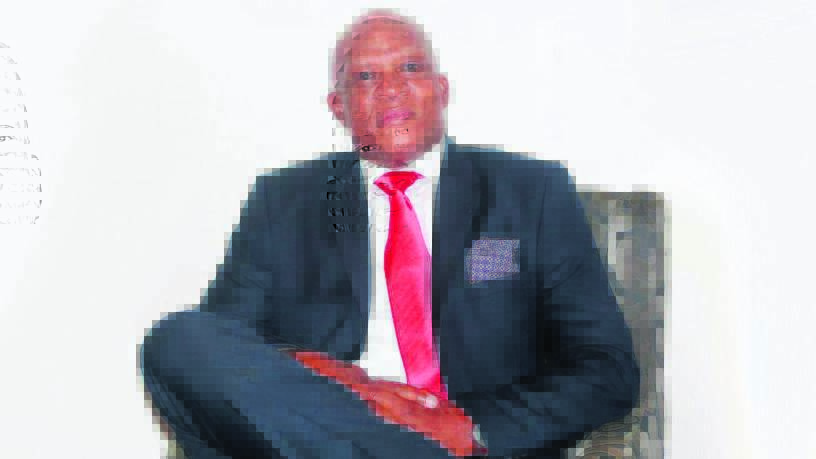
- Jeff Mkhwanazi is the executive director of the Southern African Association of Youth Clubs (SAAYC).