
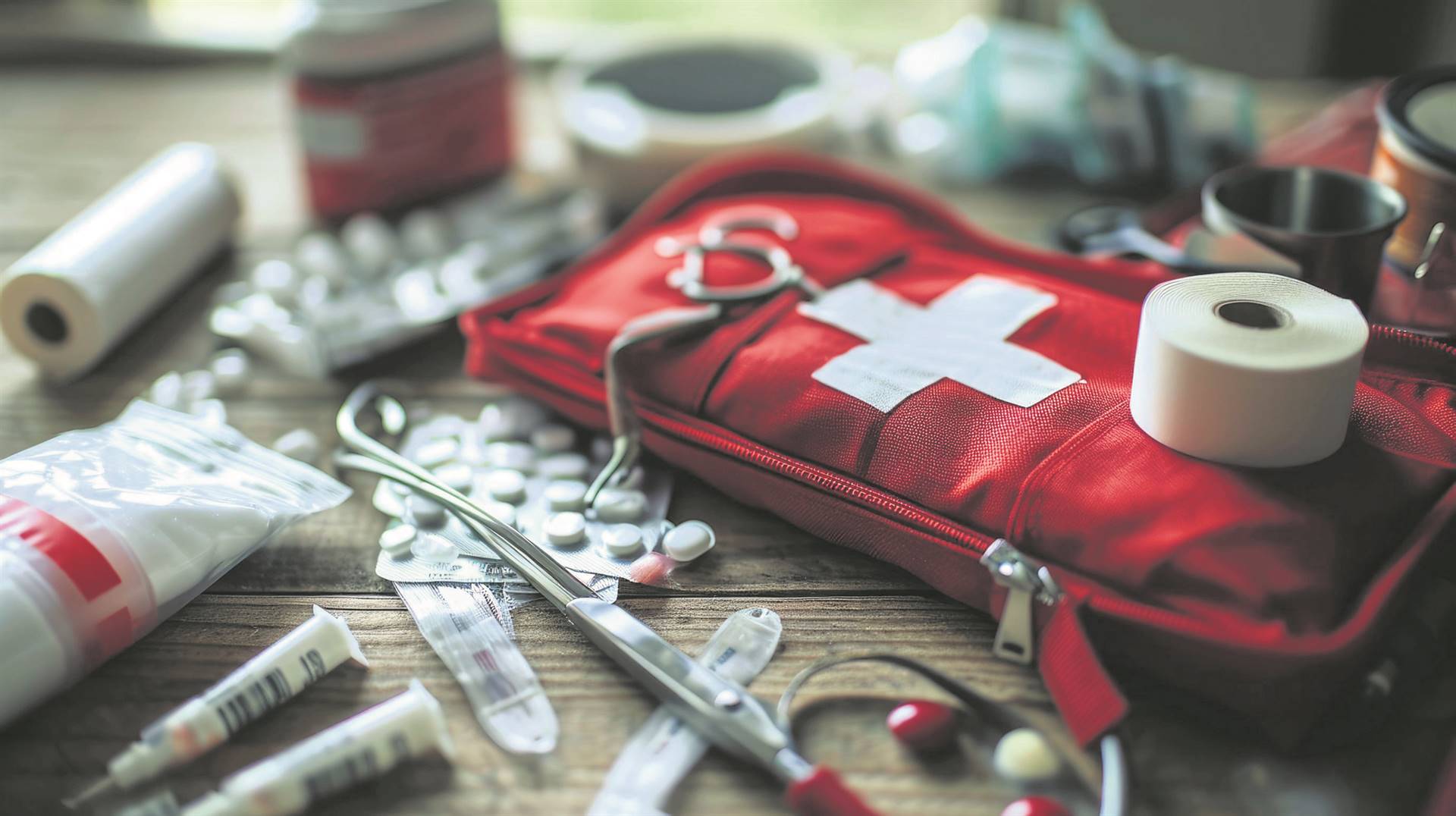
First aid basics is what every adult should know in their home.
This is according to Murray Hewlett, chief executive officer (CEO) of Affinity Health.
This encouragement from Hewlett is informed by findings of the First Aid Saves Lives Global Disaster Preparedness Center (GDPC), which believes that having first aid knowledge can go a long way in terms of saving lives and also minimising injuries.
“According to the GDPC, taking early action and using suitable strategies while waiting for help to arrive, may significantly minimise the severity of injuries,” said Hewlett.
He has encouraged the public to get training on first aid at accredited institutions, given first aid basics is essential when dealing with emergency incidents.
“In our day-to-day lives, we never know when an emergency might strike. Equipping yourself with basic first aid knowledge makes you a valuable asset in times of need.
“Whether providing cardiopulmonary resuscitation (CPR), stopping bleeding, or immobilising a fracture, your actions can make a significant difference in the outcome of an emergency. Remember to stay calm, assess the situation, and prioritise safety.
“With preparation and practice, you can be ready to handle any first aid situation that comes your way,” said Murray.
First aid basics every adult should know, include:
Assess the situation
The first step in any emergency is to assess the situation calmly.
Take a moment to evaluate the scene and ensure your safety before assisting others.
In an unsafe situation, such as one involving fire or a hazardous environment, remove yourself from danger first.
Check for responsiveness
If you come across someone who appears to be injured, gently shake or tap them and ask if they are okay.
If there is no response, shout for help and immediately call emergency services.
Time is of the essence in such situations, and swift action can significantly improve the chances of a positive outcome for the patient involved in the incident.
Perform CPR
This is a life-saving technique used to revive individuals who are unresponsive and not breathing at the time of assessment.
If you are trained in CPR, begin chest compressions and rescue breaths according to the latest guidelines.
If you are not trained in CPR, you should focus on chest compressions until professional help arrives.