
Rampant non-payment by Free State municipalities has seen ten of 16 indebted to Eskom enlisted in the Eskom Debt Relief programme.
In addition to a culture of defaulting payment to the supplier, municipalities in the province are notorious for repeatedly breaching the Intergovernmental Relations Framework (IRF) agreements they have entered into with Eskom.
The IRF agreement is an internal remedy for government departments.
The power supplier has blamed defaulting municipalities for its inconsistency in supply and load shedding. Eskom announced that on 5 July it reached 100 days without load shedding and by today – Wednesday, 11 September – it will be 168 days.
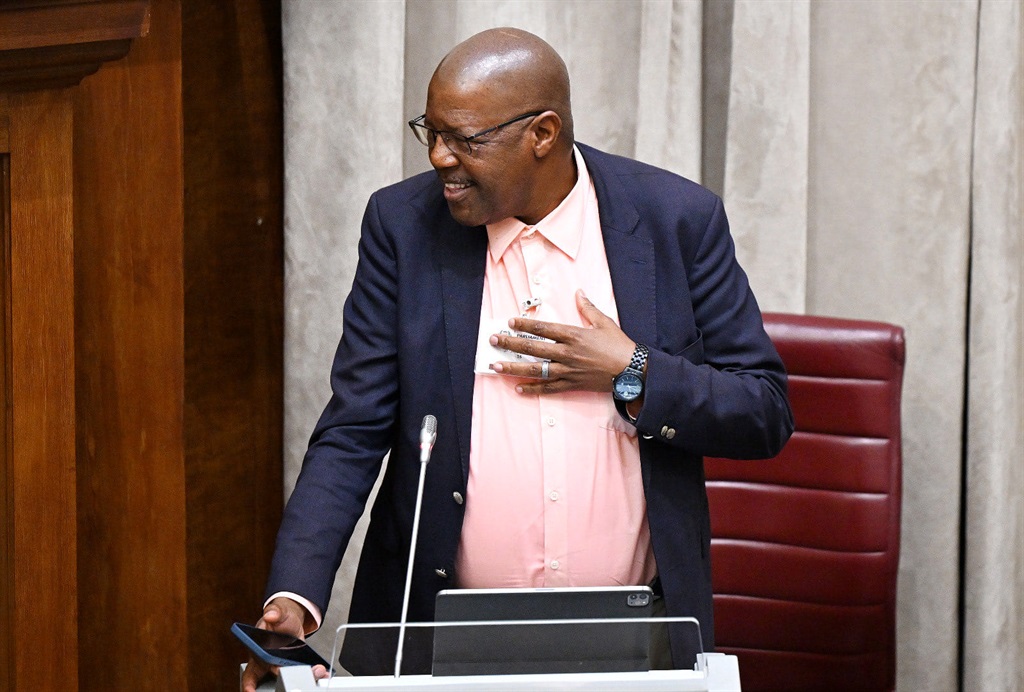
The provincial MEC for Finance, Tourism and Economic Development, Ketso Makume, confirmed ten cash-strapped municipalities’ placement in the debt relief programme during the presentation of his maiden budget on 20 August.
This followed an announcement by the former MEC for Finance, Gadija Brown, in November last year regarding plans to clear their huge debts to the power supplier. These municipalities are: Matjhabeng, Tswelopele, Masilonyana, Nala, Moqhaka, Ngwathe, Dihlabeng, Phumelela, Maluti-a-Phofung and Nketoana.
Makume said in terms of the programme’s objectives and conditions, Eskom would write off one third of its arrear debt and interest if all the municipalities meet the conditions set out. He said that the municipalities that participate in the Eskom Debt Relief programme also stoond to benefit from a Smart Meters Programme.
“This means that such a municipality would be provided with a set number of smart meters (electricity or water) to aid in debt collection,” he said.
Makume said that affected municipalities would be receiving support from the Intergovernmental Debt Steering Committee (IGDSC). It comprises the departments of Education, as well as Co-operative Governance and Traditional Affairs (CoGTA), provincial Treasury, National Public Works and Infrastructure and The South African Local Government Association (Salga).