
BLOEMFONTEIN – The number of Free State municipalities under administration is steadily increasing due to governance collapse, financial mismanagement and service delivery failure. Key municipalities include Mangaung, Nala, Matjhabeng, Masilonyana, Tokologo, Mafube, Nketoana and Kopanong.
These are a few of the 19 municipalities governed by the ANC in the Free State. The remaining 11 continue to function as going concerns, amid the latest intervention to try to bring stability.
Maqueen Letsoha-Mathae, Free State premier, announced during the delivery of her State of the Province Address (Sopa) on 20 February that an additional eight municipalities had been placed under administration.
Several municipalities in the province have faced scrutiny and intervention from the National Council of Provinces (NCOP).
“Intervention is a necessary and bold exercise of state power to root out maladministration, stabilise governance, and protect our people from the consequences of institutional failure,” said Thabo Meeko, ANC provincial spokesperson.
“This is consequence management in action, not for political expediency, but as a revolutionary duty.”
He said every priority the premier announced – from fixing municipalities to industrialisation, to the war on crime, to the National Dialogue – was a direct reflection of the resolutions adopted by the ANC PEC Lekgotla.
In a last-ditch effort to rescue these municipalities, the ANC’s remedial action as the governing party included axing seven mayors, chief whips and speakers from the failed municipalities.
The Mangaung Metro was the first to be placed under national intervention due to its inability to effectively manage finances, service delivery and governance issues arising from internal power struggles.
Additional common issues that led to administration include: an inability to manage finances, as well as to pay escalating debts to Eskom and water boards; unauthorised, irregular, and wasteful expenditure; and failing to pay third-party contractors and staff.
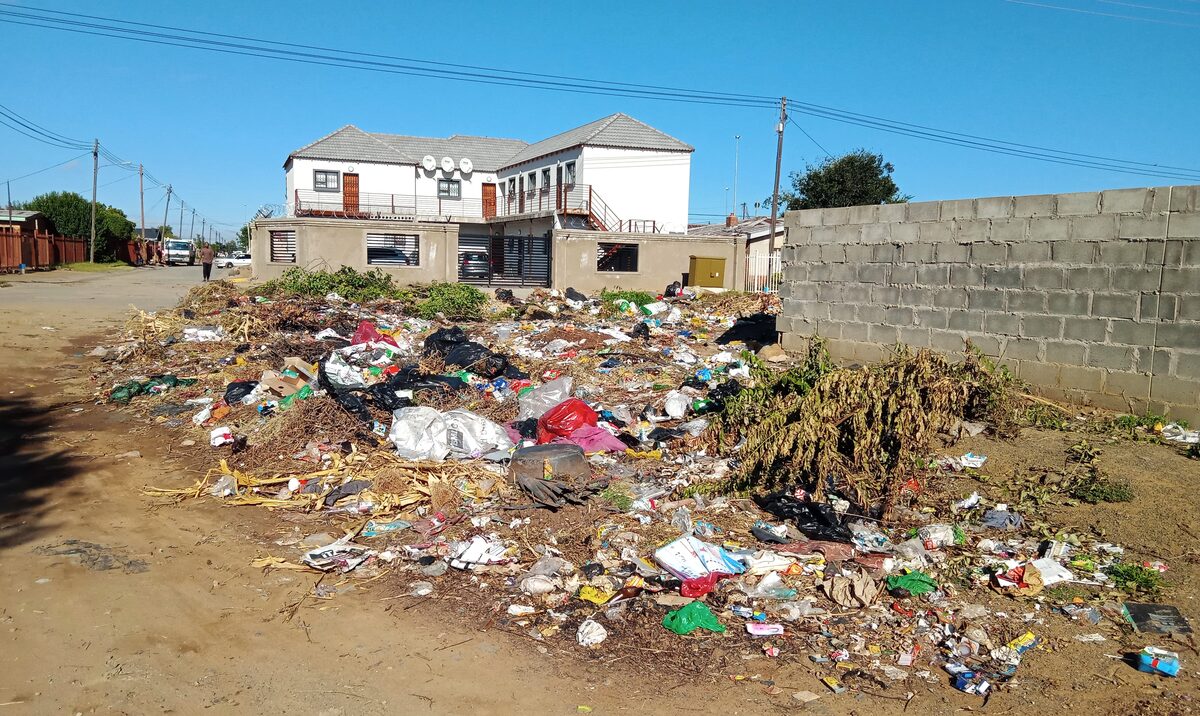
Other well-documented factors include service delivery failure evident in broken infrastructure; inefficient water and sanitation systems; and crumbling road infrastructure.
The failures in governance points to a lack of consequence management, corrupt activities, and high staff turnover.
Remedial action taken, owing to repeated failures by authorities to comply with financial control measures, as well as lack of consequence management, saw the National Treasury withhold the equitable share of 10 of the 19 municipalities in the province.
Opposition parties in the Free State, the DA in particular, welcomed the National Treasury’s firm decision to tighten the belt. These municipalities were found to have violated financial expenditure control measures and failed to meet basic obligations – and Dave McKay of the DA described them as a “financial sinkhole”.
The findings include failure to properly handle employee contributions such as those for pay-as-you-earn (PAYE) and the Unemployment Insurance Fund (UIF).
The 19 municipalities have been flagged as the worst-performing in South Africa, with 16 municipalities having unfunded budgets and exceeding R4,2 billion in unauthorised expenditure. They hold records of repeated disclaimer audit opinions and failure to submit financial statements on time.
Also Read Indebted municipal councils seek relief, more could follow suit