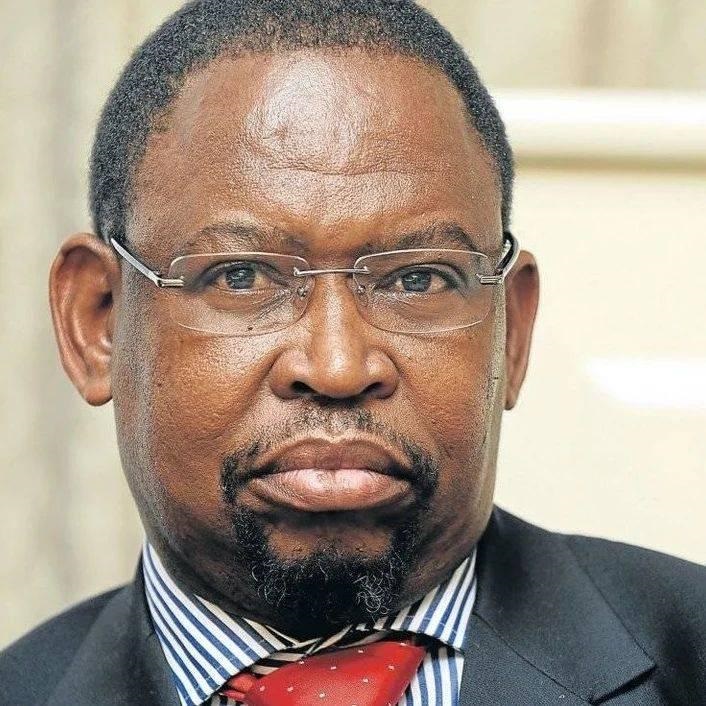


Frederick Mitchell
South Africa’s post-State of the Nation Address (Sona) for 2026 outlook signals cautious optimism: improved investor confidence, infrastructure reform, and commodity gains offer growth potential. But success hinges on strict fiscal discipline, sustainable debt management, and investment-led policies. With debt near 78% of gross domestic product (GDP), the upcoming budget must prioritise prudent spending, effective tax compliance, and private-sector-driven growth to ensure long-term economic stability and job creation.
Against the backdrop of Pres. Cyril Ramaphosa’s delivery of the Sona on 12 February and looking ahead to the forthcoming budget speech on 25 February, South Africa stands on the threshold of significant economic transformation, according to the presidency.
Ramaphosa’s Sona celebrated South Africa’s removal from the grey listing by the Financial Action Task Force (FATF), and this is heralded as a catalyst for international investment. This development, together with improved fiscal stability and encouraging credit ratings, has fostered a more optimistic outlook among foreign investors. Such stability is welcome news, returning confidence to our economic narrative and bolstering the Rand.
Noteworthy is Ramaphosa’s strategic push towards modernising infrastructure through public-private partnerships (PPPs). Operation Vulindlela aims to transform our beleaguered ports and rail systems, and the end of load-shedding could pave the way for uninterrupted business operations.
Yet, these ambitions must be tempered with fiscal reality. The National Treasury faces the formidable challenge of funding these ventures without exacerbating our national debt, currently uncomfortably near 78% of GDP.
The promise of infrastructure investment hangs on key components of sustainable growth, yet financing these projects demands careful navigation to avoid fiscal overreach. The R1 trillion infrastructure fund must be meticulously managed, with a focus on reallocation of existing resources rather than expanding expenditure. Markets will scrutinise the Medium-Term Expenditure Framework (MTEF) for signs of robust public-private partnerships (PPP) frameworks rather than new deficit-funded ventures.
The president’s aversion to major tax hikes is commendable, signalling a preference for stability to encourage investment. However, the subtle increase in effective tax rates through enhanced South African Revenue Service (Sars) enforcement and digitisation introduces a complex dynamic.
That said, addressing the tight tax base remains crucial. Avoiding bracket creep and expanding the tax pool through job creation in key sectors like manufacturing and renewable energy can help spread the burden more equitably and sustainably.
While commodity windfalls provide a silver lining, they should be utilised strategically to service existing debt, aligning with the government’s fiscal consolidation efforts. This approach is essential to maintaining the credit improvements achieved and lowering debt servicing costs, which strain fiscal resources more than our modest GDP growth forecasts can comfortably support.
The president framed the year ahead with a focus on inclusive growth, reducing living costs, and fostering a capable state. By stimulating private sector investments through strategic government facilitation, South Africa can create a fertile environment for vibrant economic expansion and employment generation.
In conclusion, while the Sona sets a promising tone for optimism and renewal, the February budget must anchor these aspirations in stringent fiscal responsibility.
By focusing on broad-based investment incentives, maintaining fiscal discipline, and fostering an enabling business environment, the government can unlock the true potential of the recent commodity boom, propelling South Africa towards a resilient and growth-led future.
■ Mitchell is an economist with 16 years of experience.