

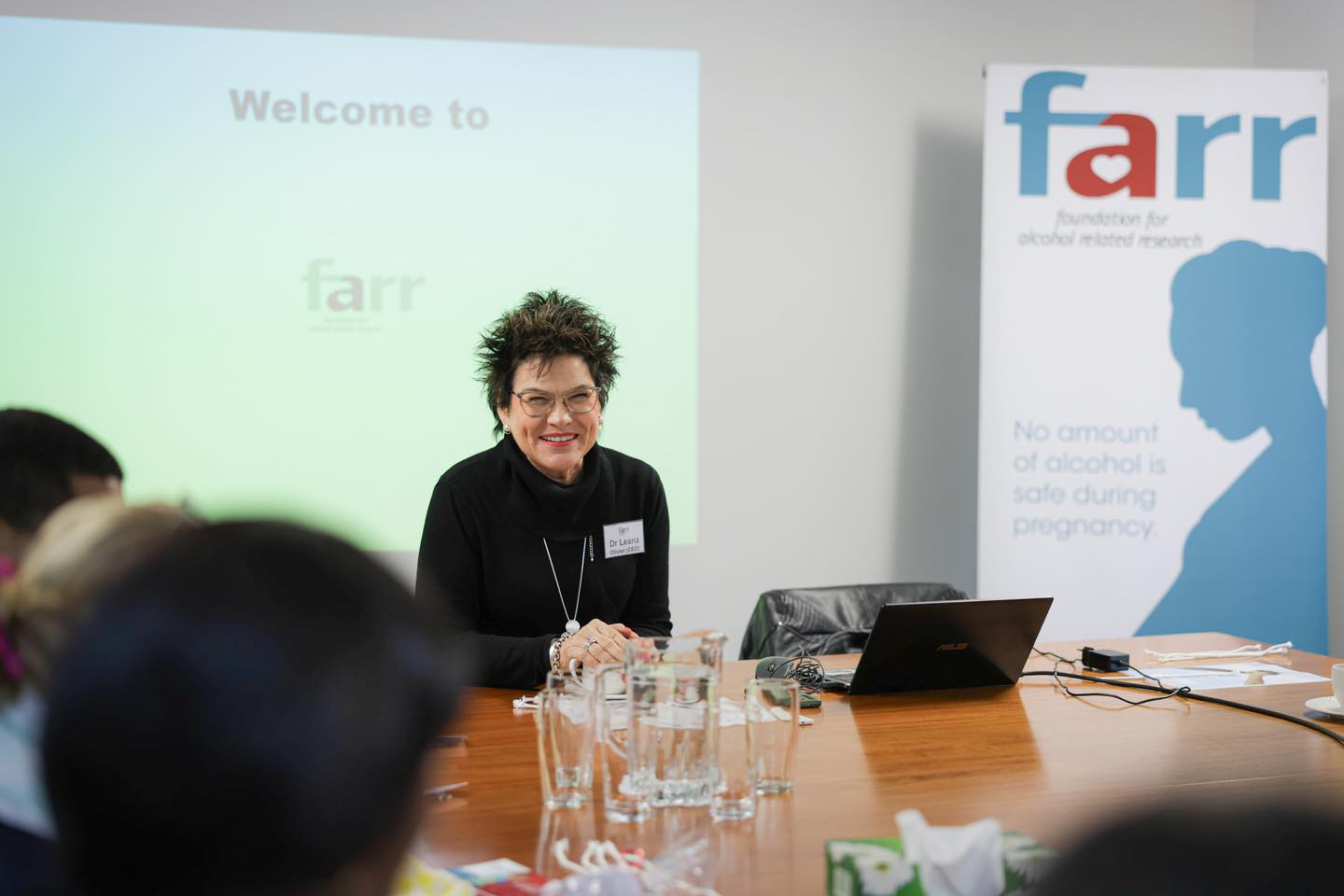
BLOEMFONTEIN: The Foundation for Alcohol Related Research (Farr) announced it would launch an International Fetal Alcohol Spectrum Disorder (FASD) campaign on 9 September to focus on supporting women to have healthy pregnancies. The launch will coincide with International Fetal Alcohol Spectrum Disorder Day.
“We believe ‘Shaping Brighter Futures’ truly starts during pregnancy,” said Dr Leana Olivier, chief executive officer (CEO) of Farr. She said World Health Organization (WHO) reports revealing the global FASD prevalence is less than 1%, inspired the idea for an international launch.
“In South Africa the estimated national rate is approximately 11%. In some communities, Farr has reported rates as high as 28%. FASER-SA, an American-South African research group working with Stellenbosch University (SU), reported a rate of 31% in one community,” said Olivier.
Olivier attributes the prevalence in South Africa to a lack of diagnostic and support services. “There is a particularly pressing need for support services and employment opportunities for individuals over the age of 18,” she said. The country has a history of heavy alcohol consumption during pregnancy in the age group 18 to 25 years. In rural areas prevalence is high in the age group 25 to 35 years.
“To diagnose FASD, a person must be assessed by a trained medical doctor, undergo a neurodevelopmental evaluation, and have an in-depth investigation into pre- and postnatal history. Once diagnosed, the individual and their family or caregivers are often faced with the challenge of accessing few, if any, services.

“FASD is caused when an unborn baby or fetus is exposed to alcohol in the womb. Of great concern globally, is that many women have unplanned or ‘surprise’ pregnancies and therefore only confirm their pregnancies when they are already a few weeks pregnant.
“Unknowingly they might have exposed their unborn babies to alcohol. A mother does not need to be a heavy drinker or an alcoholic to have a child with FASD. Even small amounts of alcohol can potentially harm the unborn baby.
“Babies born with FASD have lifelong, irreversible brain damage. This might present as learning and behavioural problems. Due to a lack of adequate training and support for educators, as well an inability to meet the needs of these children within the educational system, many drop out of school early. International studies indicate that people living with FASD are more prone to a variety of chronic health conditions, including mental health challenges.”



You must be logged in to post a comment.