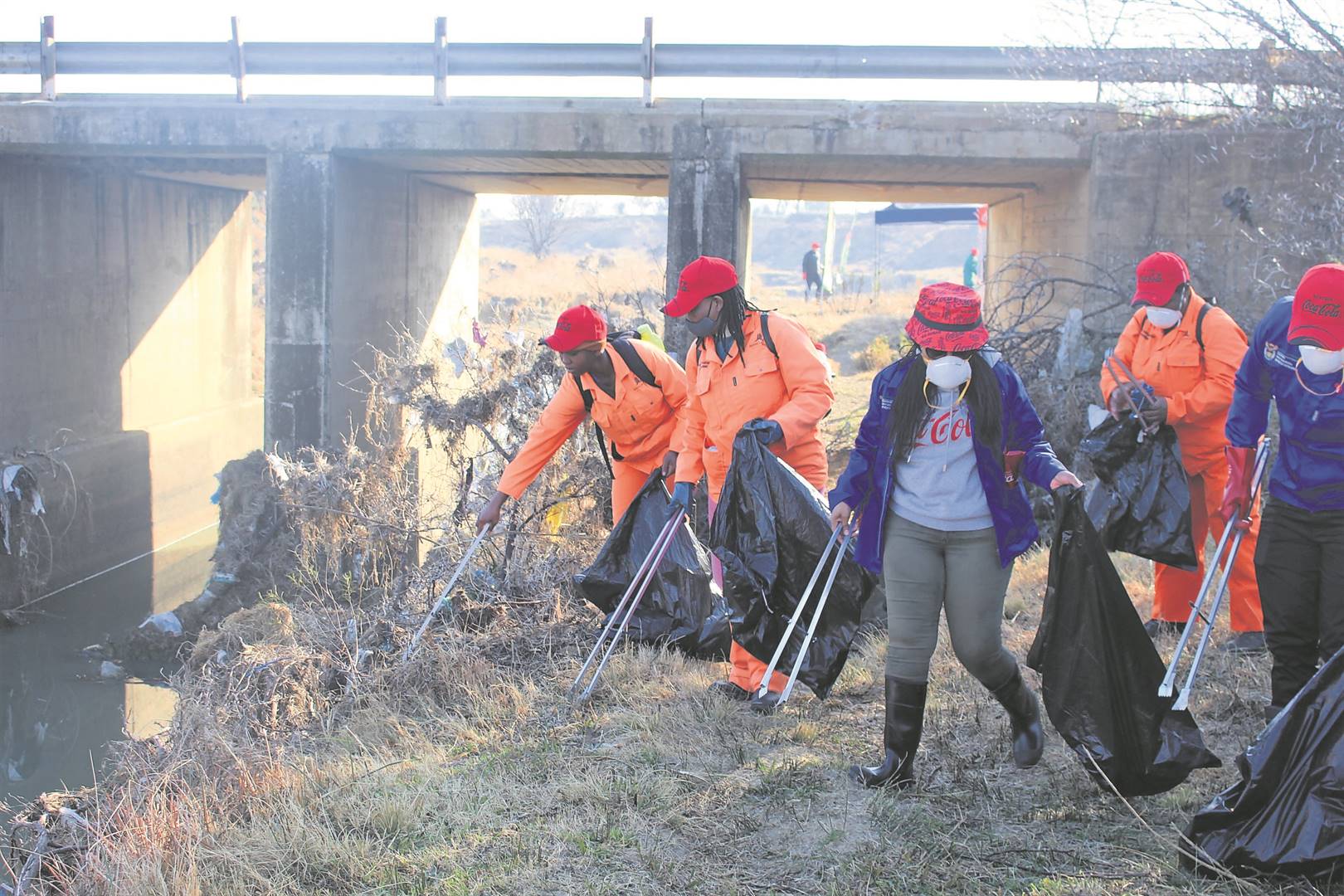


Mandela Day is a time when individuals and private-public entities, including institutions, commit themselves to making a positive difference by dedicating 67 minutes to good deeds to the benefit of others. On this day, the Department of Water and Sanitation (DWS) mobilises efforts to clean rivers across the country through its annual Clear River Campaign.
The campaign was conceptualised along the Adopt-a-River programme that was launched in response to the need to safeguard the health and usability of South African rivers.
South Africa, being a semi-arid country with unpredictable rainfall patterns and high evaporation rates, faces increasing pressure on its limited water resources due to a steady population growth and economic development. Ensuring the sustainable use of these natural resources requires the effective management of both water quality and quantity, as well as broader environmental conservation efforts.
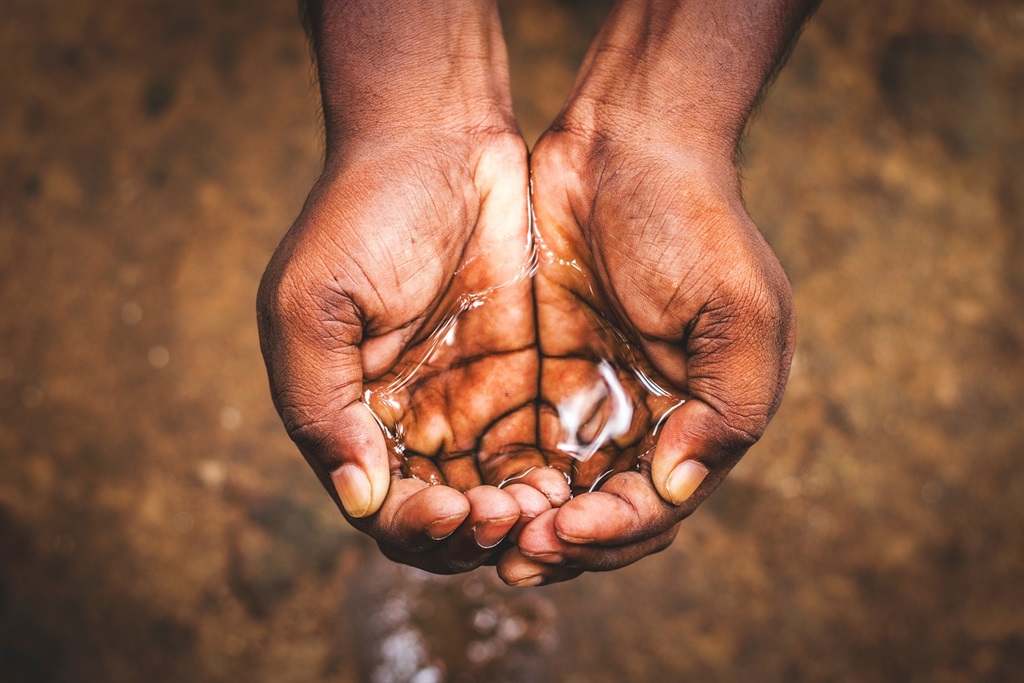
Water is the most valuable resource we have as humans; without it, we would not exist. It is crucial to keep our rivers and streams clear of pollutants and trash, as this has an adverse effect on the towns downstream.
The department embarks on the Clear River Campaign annually to clean rivers and, more importantly, to continue educating communities about the importance of keeping water resources clean and the adverse effects of polluting our natural water resources.
The campaign has been ongoing for years, but annually it seems the same rivers that were cleaned the year prior remain polluted by the nearby communities. This suggests that the communities − the public at large − do not understand the message about the significance to keeping our rivers clean.
Community members frequently cite the failure of municipal waste collection services as a major reason for illegal dumping. If there is no accessible or consistent refuse removal, people feel they have no other option.
The best option is to change behaviour − find the best way to deal with waste and love our environment, of which rivers are a significant part.
Communities seldom understand the effect the pollutants have on their neighbours and themselves depending on the location of their raw water abstraction.
South Africans are always concerned and vocal about the increase in prices of everything around them. The amount paid by municipalities for water purification chemicals run into the millions on a monthly basis, and the amount of chemicals used to dose the raw water is determined by the water quality after abstraction.
To put it into perspective − if municipalities did not have to deal with baby diapers, plastics, empty cans and other waste, the process would be much cheaper.
Industries, such as abattoirs that also use water resources to dispose of their waste, should also take heed of the implications. The Green Scorpions have pounced on a number of these offenders and brought legal cases against them, but many still go unseen and unreported.
The prescribed solution here is for all spheres of government and communities to work together with the goal of ending pollution of rivers and streams. If dumping continues, the cost of cleaning polluted water places a heavy financial burden on water services providers, especially municipalities. Preventing pollution is not only more sustainable, but also far more affordable than dealing with its consequences.
We should bear in mind that behaviours once learned are hard to unlearn. But progress is possible when we commit to consistent effort and collaboration. The DWS remains committed to the cause − alongside partners that include the Department of Economic, Small Business Development, Tourism and Environmental Affairs (Destea), Vaal Central Water, Maluti-a-Phofung Water, and Coca-Cola Beverages South Africa.
It may not happen overnight, but with persistence and a shared vision, lasting change is within reach.
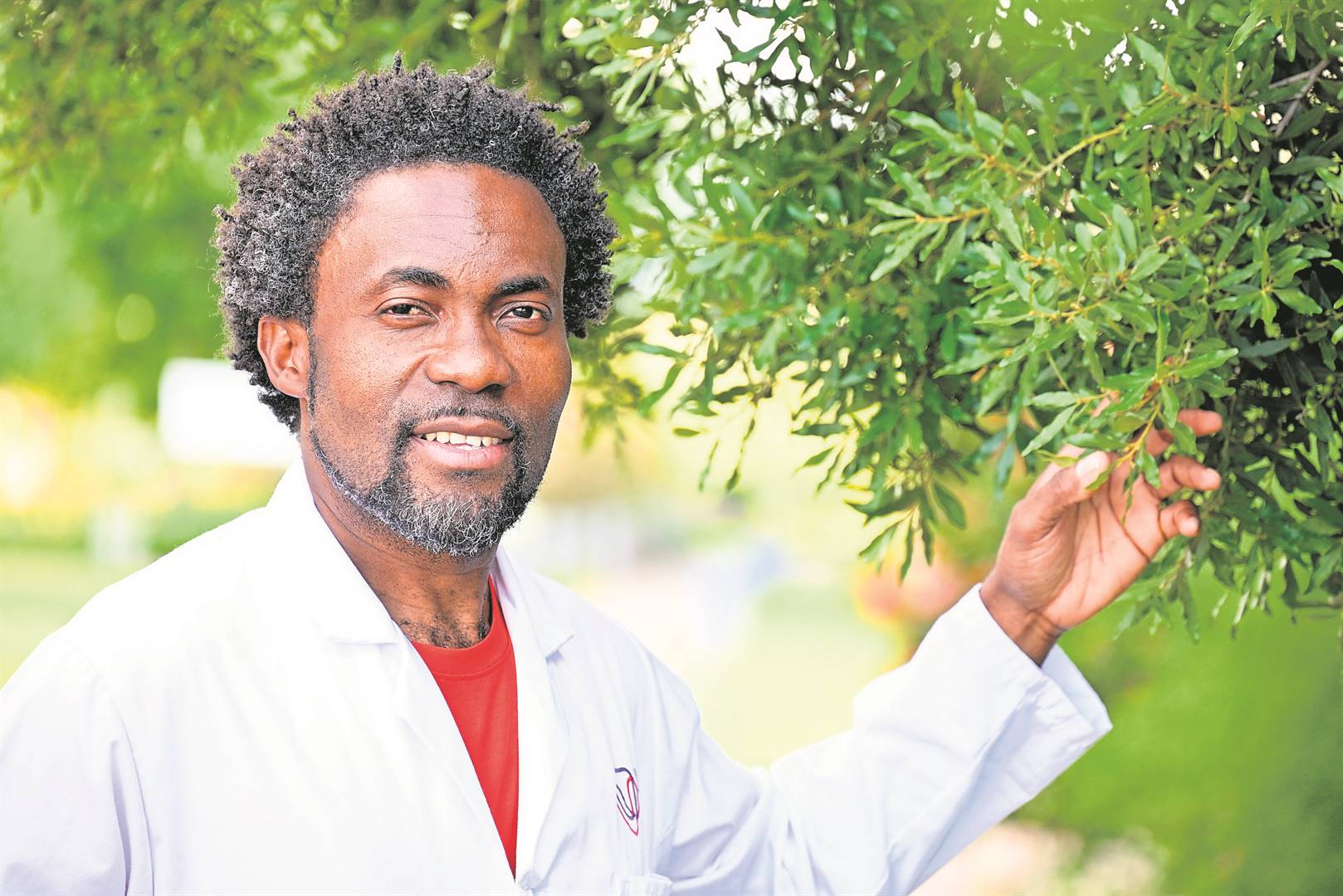
■ Crisp is a communications manager at the DWS in the Free State.