
The University of the Free State’s (UFS) contribution to South Africa’s linguistic heritage continues with the launch of the Dictionary for Sesotho Sa Leboa, also known as Sepedi or Northern Sotho.
This ambitious project is the culmination of a collaborative effort by the UFS Library in partnership with the Faculty of the Humanities and the Academy for Multilingualism.
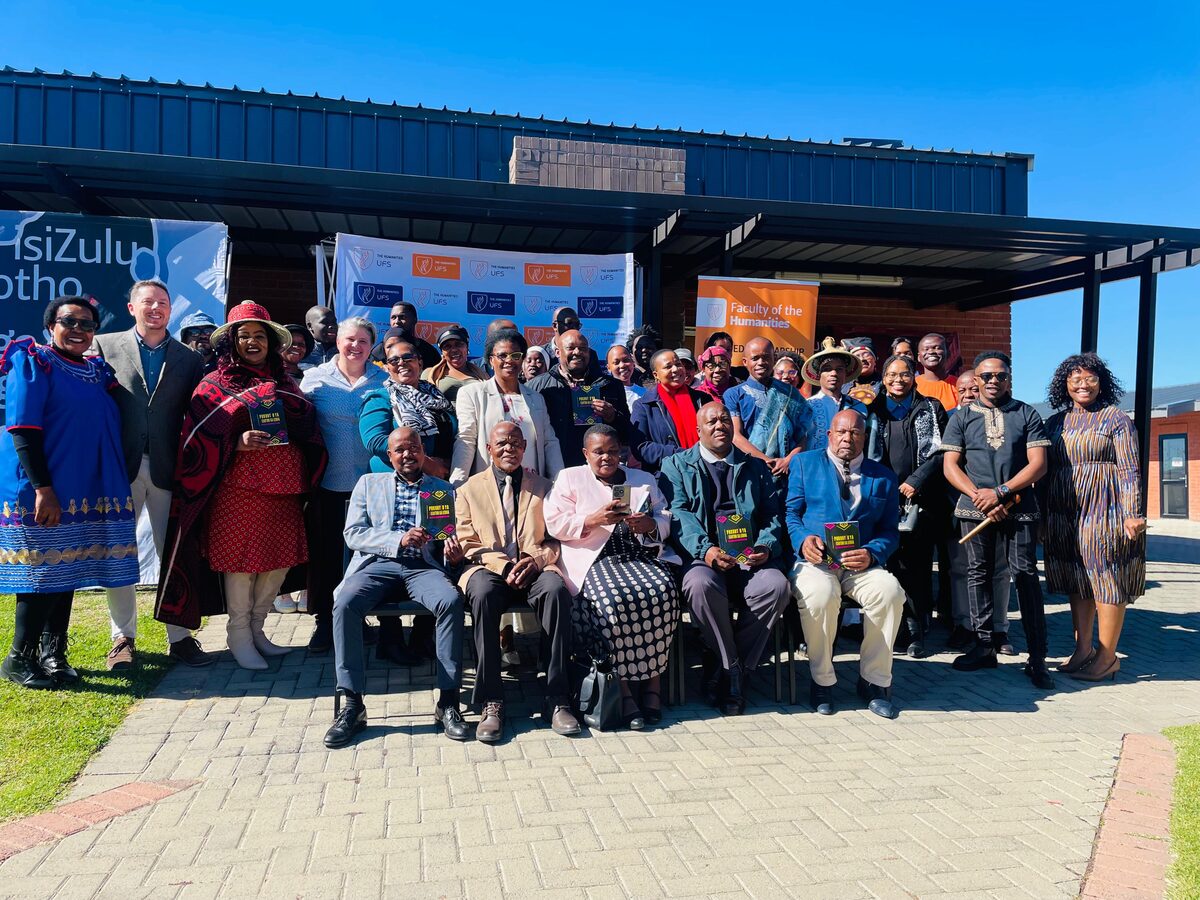
A host of contributors were at work to bring this vital resource to fruition. The university celebrated the achievement by hosting events on both the Bloemfontein and Qwaqwa campuses on 29 and 30 May – accentuating the university’s deep commitment to the preservation and promotion of indigenous languages.
Prof Prince Ngobeni, campus principal in Qwaqwa, articulated the profound significance of the dictionary’s launch in his address. http://University of the Free State launches ad dictionary for Sesotho Sa Leboa
“This mark a truly historic moment not just for the university, but for the entire nation and – most especially – for the rich tapestry of our linguistic heritage. The officially launch is a monumental achievement, this dictionary for Sesotho Sa Leboa.”
His words resonated with the distinguished audience, which included the dean of the Faculty of the Humanities, Prof. Mogomme Masoga, members of the University Executive, academics, researchers, linguists, educators, students, and esteemed members of the Royal family, whose presence significantly elevated the occasion.
Dr Elias Malete, head of the Department of African Languages, expressed immense gratitude for the launch of the dictionary, highlighting its importance for the academic community and the broader society.
The visionary behind the dictionary, Solomon Motlokwane, a retired teacher, shared some insight from his journey. In an inspiring presentation, he encouraged young people to transcend the traditional pursuit of employment and instead become creators of opportunities. “Be yourself and you will prosper,” he advised – a powerful message of self-reliance and innovation that resonated deeply with the audience.
Prof. Jared McDonald, assistant dean of the Faculty of the Humanities, delivered a poignant message of support, acknowledging the collective efforts that made the dictionary possible. He took a moment to reflect on the recent passing of Ngügï wa Thiong’o, one of Africa’s greatest intellectual sons.
“His life’s work was a passionate call to centre African languages in scholarship, in literature, and in daily life,” McDonald noted.
“He reminded us that language is not neutral, but it is political, cultural, and deeply personal. He believed that to write in one’s own language is to reset one’s humanity.”
McDonald emphasised that Thiong’o’s legacy lives on in every effort to preserve, teach, and elevate African languages, positioning the new dictionary as a living tribute to his profound vision.
This sentiment aligns perfectly with the UFS’ Vision 130, which champions excellence in research, innovation, and community engagement, with a strong emphasis on fostering an inclusive and multilingual academic environment.
The launch of the dictionary is a tangible manifestation of Vision 130’s commitment to intellectual contribution and societal impact, particularly in the realm of cultural preservation and academic advancement of indigenous languages.
“This kind of scholarly work is not produced overnight,” said McDonald. He added, “It requires sustained collaboration, institutional support, and deep commitment from all of us toward linguistic accuracy, cultural sensitivity, and educational relevance. The launch of the dictionary stands as a testament to this unwavering commitment and a beacon for future linguistic endeavours at the UFS.”