Two suspects have been arrested and charged with the murder of a Mozambican national killed during a wave of xenophobic violence that engulfed KwaNonqaba, Mossel Bay, 10 days ago.
Police arrested the suspects, aged 19 and 26, in the early hours of Tuesday morning during a tracing operation. They face murder charges in connection with the death of Tomas Chunguane (27), who died after being assaulted and stabbed on 29 May.
The suspects are expected to appear in the Mossel Bay magistrate’s court on Thursday, 11 June.
The arrests follow scenes of violence in KwaNonqaba on 29 May, when approximately 50 shacks were destroyed and set alight, and two Mozambican nationals were killed. The incident formed part of a broader wave of anti-immigrant violence that has swept across South Africa since March.
A 30-year-old suspect, believed to be the leader of the group that embarked on the violent rampage, appeared in court on Monday, 8 June, on charges of incitement to commit public violence. He was remanded in custody and is expected to appear in court on 22 June for a bail application.
Police investigations into the murder of another Mozambican national, Danilo Muianga (43), who was killed on 30 May in the same area, are ongoing. Detectives are pursuing several leads.
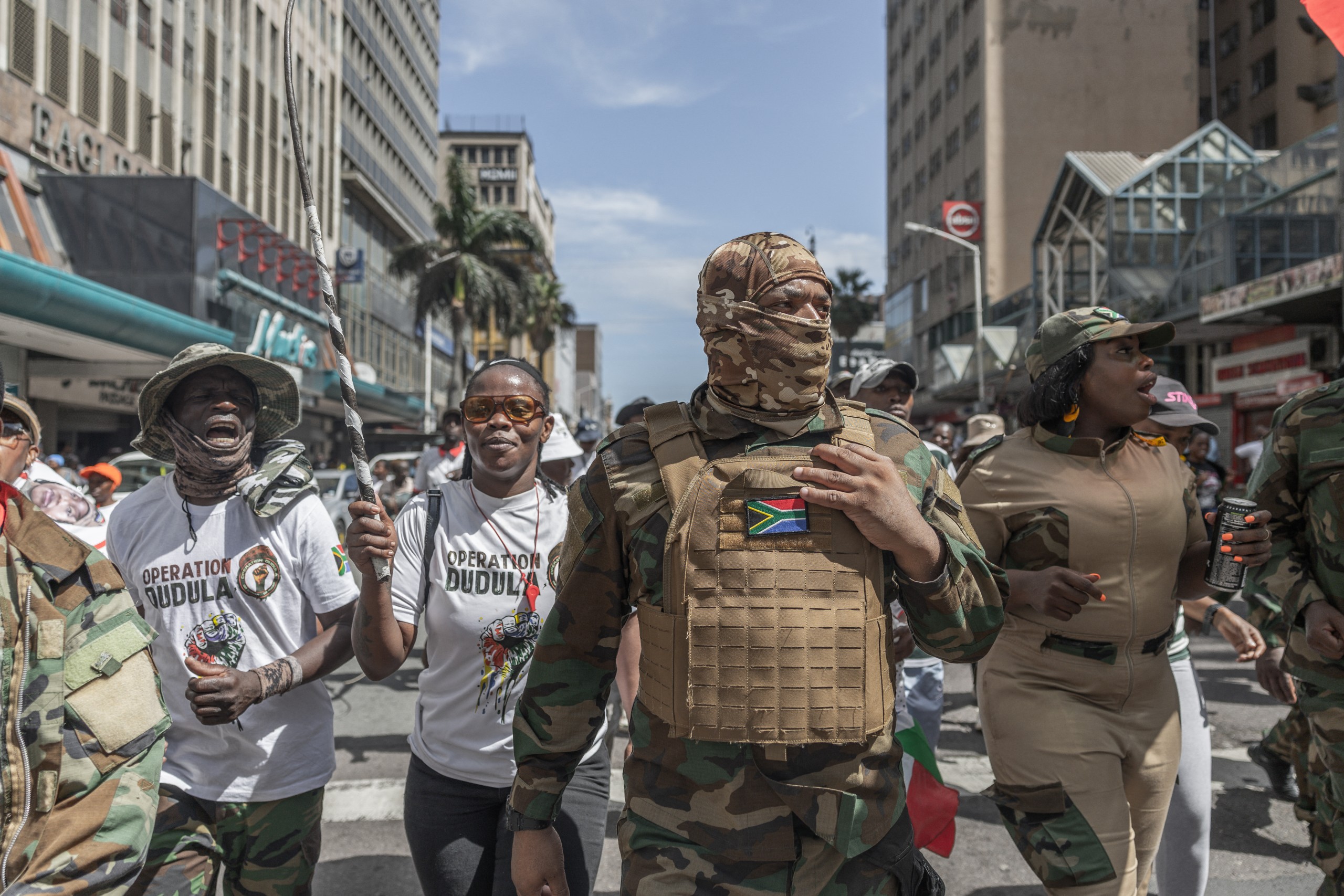
The violence in Mossel Bay occurred amid escalating xenophobic attacks across South Africa, driven by organised anti-immigrant groups. The groups have accused undocumented migrants of contributing to unemployment and crime, allegations they have used to mobilise support.
Anti-immigrant marches continued this week despite President Cyril Ramaphosa’s address to the nation on Sunday evening, in which he unveiled a five-point plan to tackle undocumented migration and violent actions towards foreign nationals.
On Monday, 8 June, protesters marched through industrial hubs in Ekurhuleni, including Boksburg, Springs and Benoni, rejecting the president’s intervention and demanding businesses terminate employment of foreign nationals, including those with valid documentation, by 30 June. Dozens also marched through Kwa-Thema, about 40km south-east of Johannesburg, calling for tougher action on illegal immigration.
ALSO READ: Police relocate hundreds of foreign nationals from Durban church amid anti-migrant tensions
In his Sunday address, Ramaphosa rejected xenophobia and vigilantism, emphasising that only authorised government officials have the authority to act against immigration law violations. He warned that South Africans must not allow groups to use immigration concerns to incite lawlessness and violence.
His five-point plan includes intensified identification and deportation of undocumented foreign nationals, the establishment of dedicated immigration courts to expedite deportations, increased workplace inspections with harsher penalties for employers who hire undocumented workers, closing legislative gaps in immigration law, and systemic reform including phasing out green ID books in favour of a digital identity system using biometric data.
The president noted that the Border Management Authority had intercepted over 450 000 individuals attempting to enter the country illegally in the past year.
Since late March, foreign nationals have faced systemic harassment, including unlawful evictions and violent assaults. The Mozambican government reported in early June that five of its citizens had been killed in the attacks, whilst other reports indicated more people have been killed between late March and mid-May, including five Ethiopians and two Nigerians.
ALSO READ: Ramaphosa condemns violent anti-immigrant protests, vows to uphold rule of law
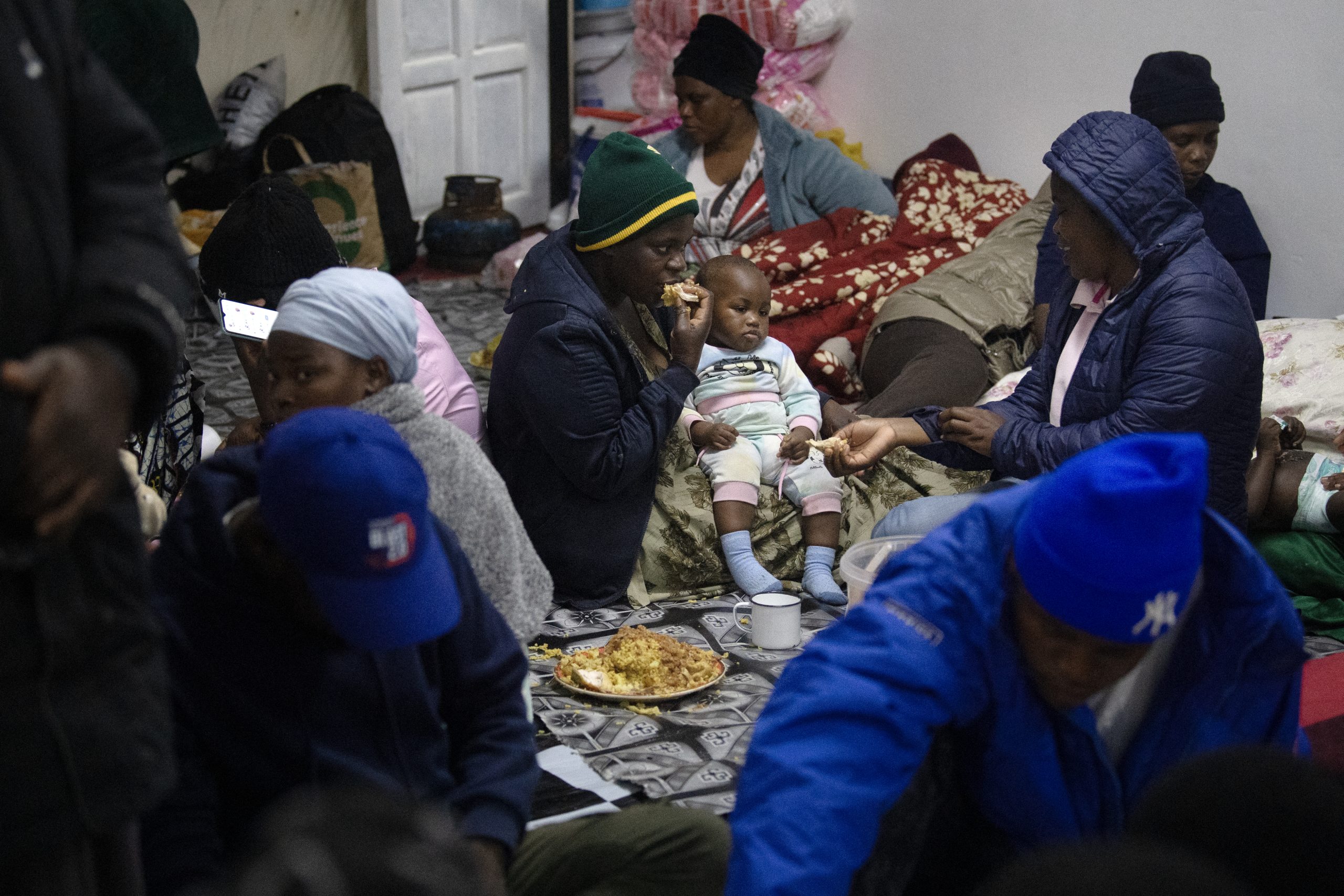
Hundreds of foreign nationals have been forced to flee their homes, seeking refuge in community halls. Several countries, including Ghana and Nigeria, have organised emergency repatriation flights for their citizens, whilst Kenya, Malawi, Lesotho, and Zimbabwe have issued warnings for their nationals in South Africa to exercise caution.
The United Nations Secretary-General and the African Commission on Human and Peoples’ Rights have expressed concern over the xenophobic harassment and called for investigations and protection for migrants.
Tensions remain high as anti-immigration groups have set an ultimatum demanding that undocumented migrants leave the country by 30 June.
ALSO READ: Ramaphosa unveils five-point plan to tackle illegal immigration