


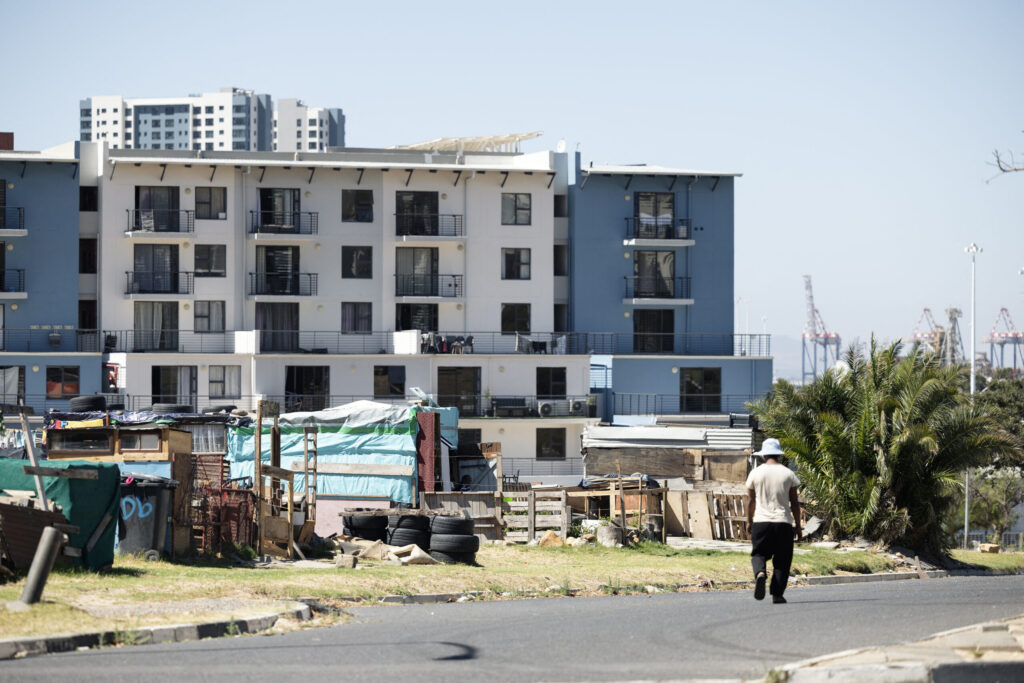
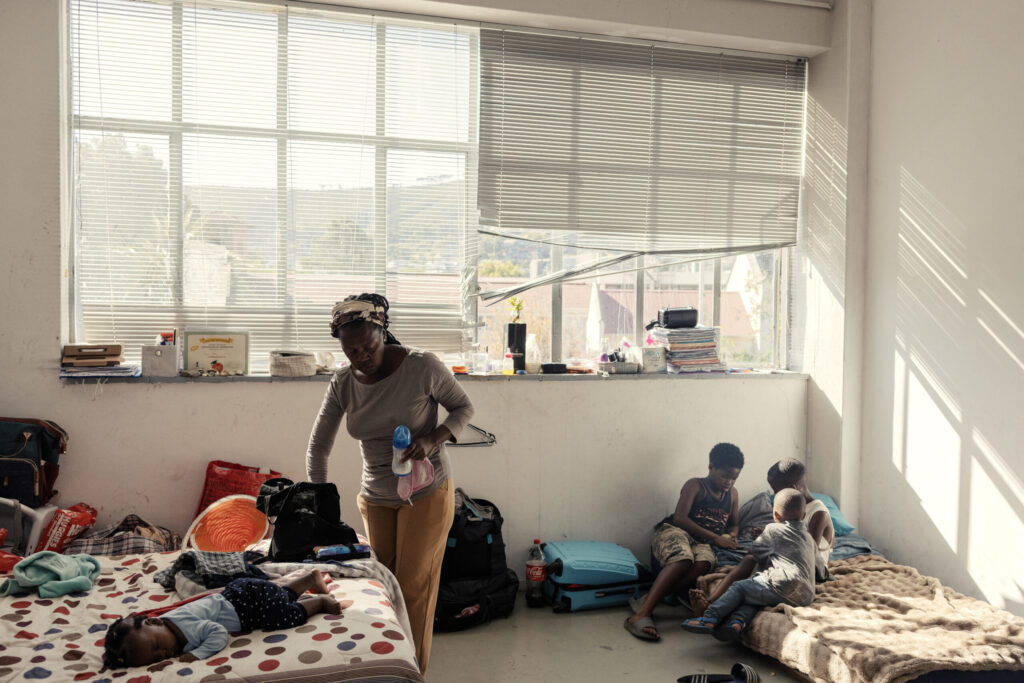
CAPE TOWN – In the heart of Cape Town’s bustling tourist district, children’s laughter echoes through a dim, illegally occupied building where dozens of families have made their home among rows of mattresses and plastic bags containing their worldly possessions.
The makeshift accommodation represents a growing crisis in South Africa’s legislative capital, where soaring rental prices driven by tourism growth are forcing locals into desperate housing situations.
Priced out of their own city
Fundisa Loza (46) moved into the abandoned building with her two daughters, ages 12 and 18, because her income couldn’t stretch to cover Cape Town’s rental market. Working night shifts at a nearby call centre, Loza earns R8 400 rand monthly – insufficient for even basic accommodation in the area.
“My income doesn’t allow me to pay Cape Town’s exorbitant rent prices,” said Loza, whose workplace is just a 20-minute walk from her current illegal residence.
One-room apartments in the central business district start at approximately R10 000 rand per month, while nearby Airbnb properties – many clustered around the popular District Six Museum – command an average of R1 500 per night.
“It’s extreme,” Loza told AFP.
World-class destination, local housing crisis
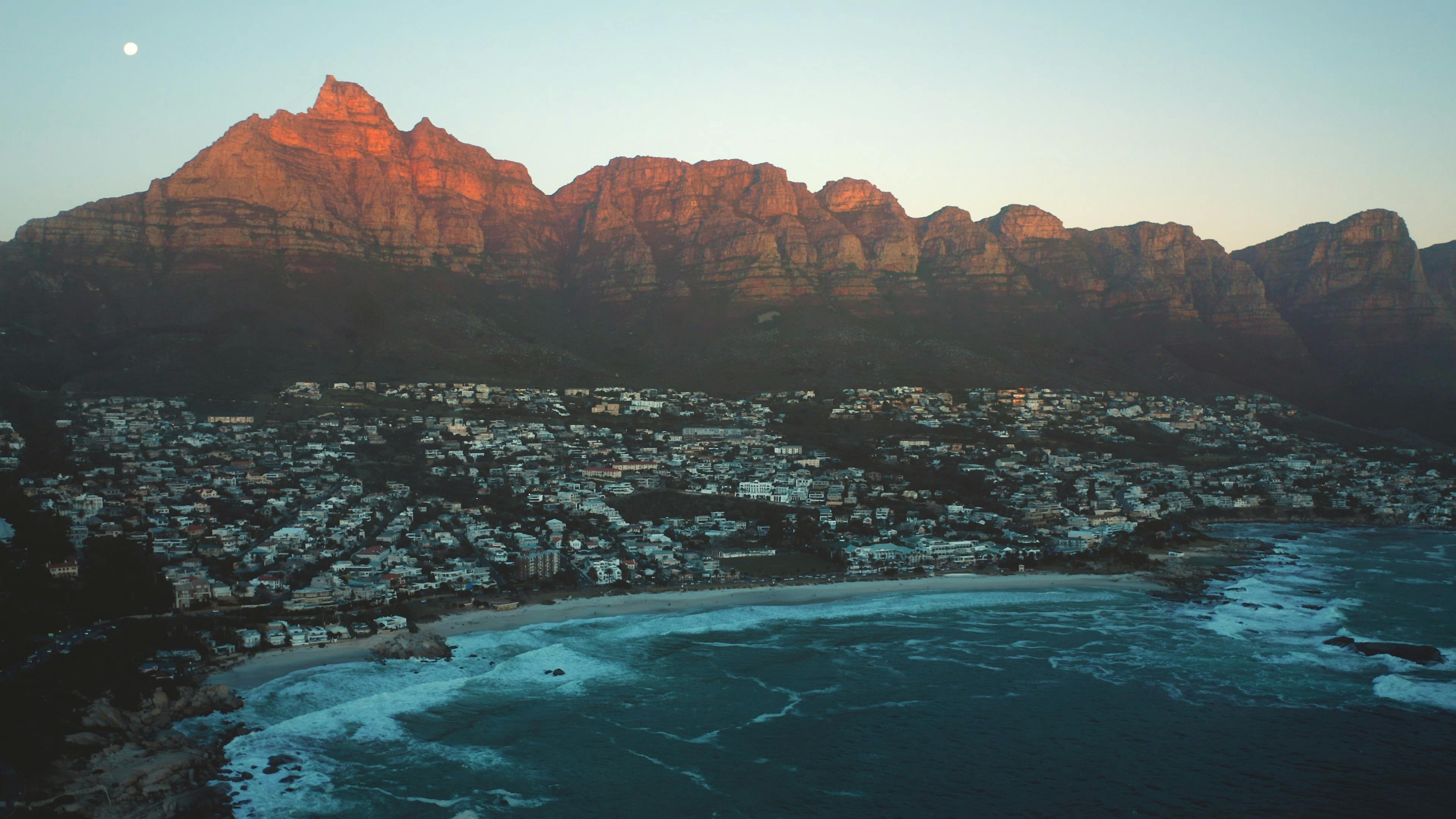
Cape Town’s appeal as a tourist destination has surged dramatically. Nestled between spectacular mountains and the Atlantic Ocean, the city topped both Telegraph and Time Out magazine’s 2025 rankings of the world’s best cities.
However, this success comes at a cost for residents. According to Jens Horber from housing activism group Ndifuna Ukwazi, Cape Town hosts more short-term rental units than larger cities like Barcelona and Berlin, despite receiving up to five times fewer annual visitors.
“Long-term rental units have been converted into tourist accommodation, removing units from the housing supply, raising rental costs and pushing out locals from neighbourhoods where they can no longer afford to live,” Horber explained.
Airbnb’s explosive growth
The numbers paint a stark picture of transformation. In tourist hotspots including the city centre and Atlantic seafront, Airbnb listings have increased by 190% since 2022.
Data from the Inside Airbnb project reveals Cape Town houses more than 26 870 listings on the platform – among the world’s highest concentrations, surpassing major cities including Washington DC, Sydney, Toronto, Chicago, and Hong Kong.
More than 60 percent of the city’s Airbnb hosts operate multiple listings, according to the data project.
Regulatory concerns mount
Urban researchers are calling for immediate intervention. “These hotel-like entities are operating without licenses, restrictions, or limits in residentially zoned areas,” said Sarita Pillay Gonzalez, a Wits University urban researcher.
Cities including Amsterdam, Barcelona, and New York have implemented stricter Airbnb regulations, including caps on annual rental days – measures Cape Town has yet to adopt.
University of Waterloo researcher Cloe St-Hilaire estimates Cape Town has lost 1.5% of its total housing stock to Airbnbs. In the tourist magnet of Sea Point, that figure reaches 26%.
Systemic housing shortage
City official Luthando Tyhalibongo argues the crisis extends beyond tourism impacts. “Cape Town’s housing stress is not foreign-made, investor-made, or Airbnb-made… It is supply-made,” he said.
Census data shows Cape Town’s population reached more than 4.7 million in 2022, representing nearly 28% growth since 2011.
“When a city grows, its housing stock must grow with it,” Tyhalibongo told AFP.
Community displacement
The housing crisis extends beyond the city centre. In Woodstock, a historically working-class neighbourhood five kilometres from the popular Victoria & Alfred Waterfront, longtime residents face similar pressures.
Shalner Ching (45) explained how younger generations who once inherited family homes are now renting or selling these properties, fundamentally altering community demographics.
“I was forced to find a home outside of my community,” said Ching, who abandoned hopes of raising her family near her childhood home.
Meanwhile, Loza’s family remains in one of three occupied buildings on their street, each housing up to 50 people. All residents face court eviction orders while registered on a state-subsidised housing waiting list that already contains approximately 400 000 names.
“We cannot access homes, we don’t have property,” Loza said. “Why must the city be reserved for certain people?”
This story highlights the ongoing tension between Cape Town’s tourism success and its residents’ basic housing needs, as local families struggle to remain in communities being rapidly transformed by short-term rental markets.
ALSO READ: OPINION | Cape Town’s development boom: Progress, yes — but where’s the plan?




You must be logged in to post a comment.